Omanghana
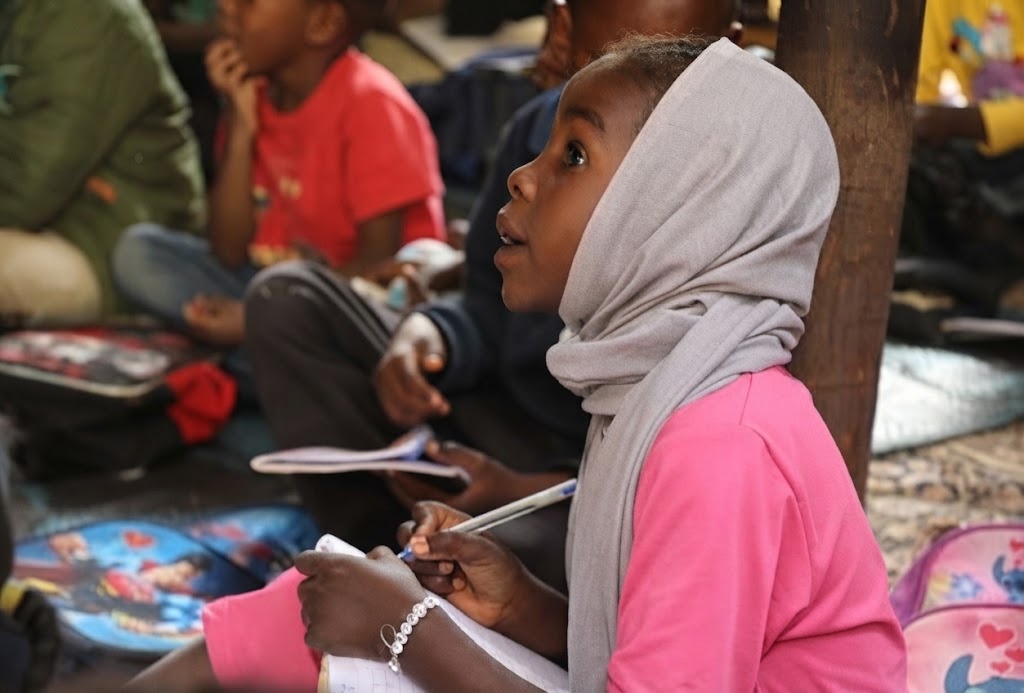
An indefinite nationwide strike by public school teachers has disrupted the start of Libya’s 2026–2027 academic year, leaving an estimated 1.6 million students out of classrooms as educators demand better pay and working conditions.
The protest has brought together teachers across the country’s political divide, extending from Tripoli, the seat of the UN-recognised government in the west, to Benghazi, a stronghold of the rival eastern administration.
Classes were scheduled to begin on September 13, 2026. However, localized sit-ins continued for two weeks before the General Union of Teachers of Libya escalated the campaign into a general strike. The union reported full participation, describing compliance as “100 percent.”
At the center of the dispute are salaries that teachers say have failed to keep pace with rising living costs. Monthly earnings range from about 1,000 to 2,500 Libyan dinars, approximately $155 to $390, placing educators among the country’s lowest-paid public employees.
Teachers argue that inflation has sharply reduced their purchasing power while workers in other public sectors have benefited from successive wage increases.
Demonstrators who gathered outside the prime minister’s headquarters in Tripoli called for changes to the unified public-sector pay scale to ensure fairer treatment. Their demands also include payment of outstanding financial entitlements, compensation for overtime and medical insurance for teachers and their families.
The dispute has created further uncertainty for parents and pupils, with no firm date for the resumption of lessons.
The Tripoli-based Ministry of Education has held preliminary discussions on healthcare coverage, but a concrete settlement on wages has yet to emerge.
To recover lost teaching time, the ministry has announced plans to revise the academic calendar and cancel future school holidays once classes resume.
Teachers are maintaining the open-ended industrial action as they press for commitments on pay and benefits, leaving the school year on hold across much of the country.
Source: Omanghana