

 Omanghana
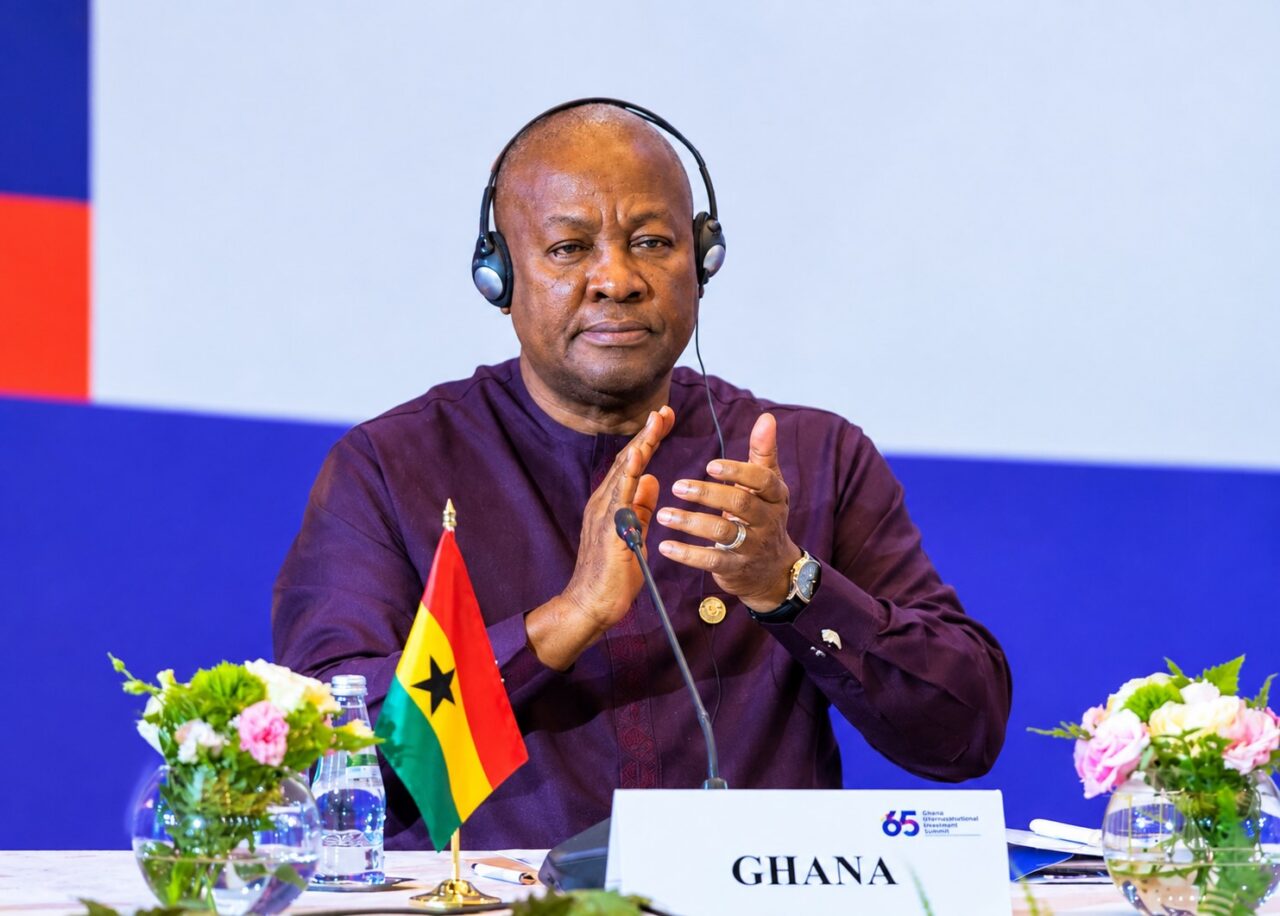
President John Dramani Mahama has defended Ghana’s application for BRICS partnership status, saying the move is intended to broaden the country’s development relationships and create new opportunities for trade, investment and infrastructure financing.
Speaking at the Jubilee House during the swearing-in and commissioning of four newly appointed envoys, the President said stronger engagement with emerging economies would complement Ghana’s longstanding international partnerships.
He tasked the diplomats with clearly explaining the country’s position to their host governments while maintaining productive relations with traditional allies.
President Mahama linked the BRICS initiative to Ghana’s ambition to move beyond dependence on raw material exports. He said broader development partnerships could support industrialisation, local processing and value addition, helping the country secure greater benefits from its resources.
He also highlighted South-South cooperation as an avenue for advancing shared development priorities. In that context, he pointed to Ghana’s historical relations with countries such as India and opportunities for collaboration in areas including railway expansion.
The four envoys commissioned were Nana Antwiwaa Dodoo, Ambassador to Angola; Louis Kwame Obeng, Ambassador to Qatar; Evelyn Korantemaa Ofosu-Amable, Ambassador to Israel; and Jedidiah Reuben Adogla, Permanent Representative to the United Nations Office in Geneva, Switzerland.
The President urged them to turn Ghana’s foreign policy objectives into measurable benefits for citizens, with particular attention to attracting investment and supporting national development priorities.
He also announced a performance framework based on key performance indicators to strengthen accountability within the diplomatic service. The envoys, who had been briefed on the government’s Resetting Ghana Agenda, would be assessed on concrete results, including verifiable investments and contributions to Ghana’s health sovereignty goals.
His message placed economic outcomes at the center of the diplomats’ assignments, stressing the need for international engagement to deliver practical gains at home.
Source: Omanghana


