Omanghana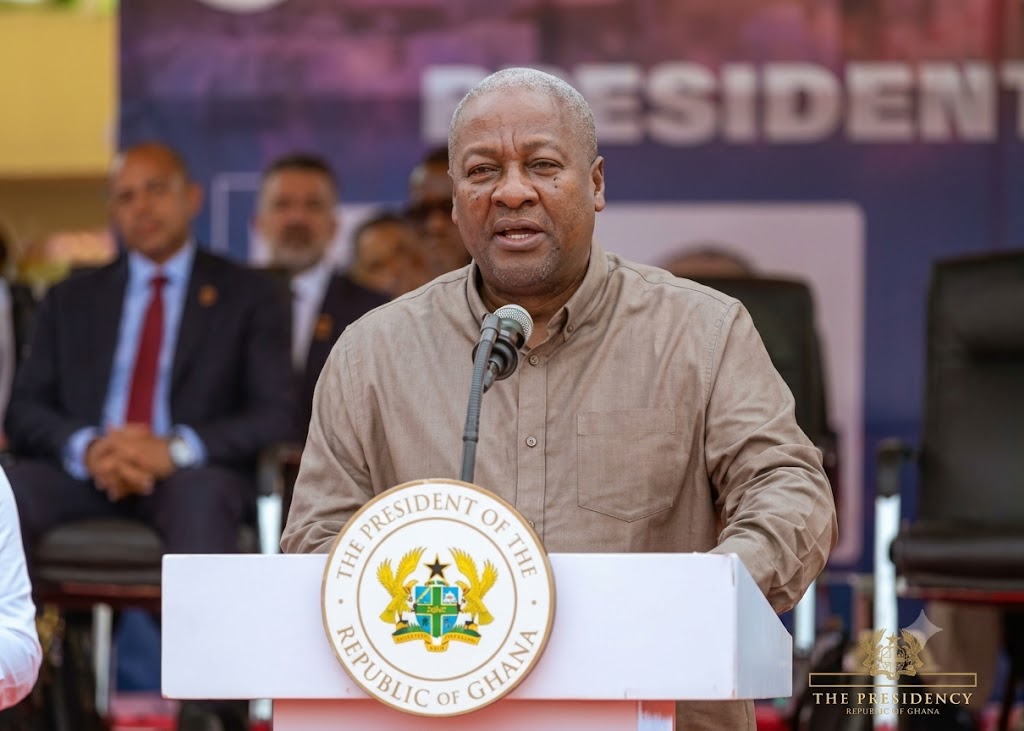
The government of President John Dramani Mahama has cancelled a proposed US$22 million agreement that would have placed the Tema Oil Refinery under private management for between 10 and 15 years.
Minister for Energy and Green Transition Dr. John Abdulai Jinapor announced the decision during the official commissioning of TOR’s refurbished Crude Distillation Unit.
According to the minister, the previous administration had described the state-owned refinery as insolvent and initiated plans to lease it to foreign or private operators. The proposed agreement, however, had not received final parliamentary approval when the new government assumed office.
Jinapor said President Mahama subsequently directed officials to discontinue the arrangement and focus on restoring the refinery through local expertise and improved management.
The intervention reportedly followed strong opposition from TOR’s workers’ unions, which maintained that the refinery remained viable and could return to productive operations if provided with effective leadership and the necessary technical support.
Following the cancellation, TOR’s management and employees reportedly mobilized US$22 million internally within six months to rehabilitate the facility. The minister said the work was completed without a direct financial bailout from the central government.
The internally generated funds were used to repair and upgrade key infrastructure, including the Crude Distillation Unit, which is considered the heart of the refinery’s operations. Rehabilitation work also covered the Residual Fluid Catalytic Cracking Unit, a new F-61 crude heater furnace and essential utility boilers.
The upgrades are expected to increase TOR’s crude-processing capacity from about 28,000 barrels to between 45,000 and 55,000 barrels per stream day.
The refinery has already processed more than two million barrels of Jubilee Medium Sweet crude oil into petroleum products for the domestic market. These include gasoline, liquefied petroleum gas and aviation turbine kerosene.
The government believes that maintaining TOR as an operational state-owned refinery will strengthen Ghana’s energy security, support the domestic processing of crude oil and reduce the country’s heavy dependence on imported refined petroleum products.
Officials have positioned the refinery’s rehabilitation as a major component of the administration’s Energy Sector Reset Agenda. The program seeks to rebuild critical infrastructure, improve efficiency across the petroleum industry and reduce the hundreds of millions of dollars Ghana reportedly spends each month importing refined fuel.
The revival of TOR is also expected to create employment, retain more value within the domestic economy and provide a more stable source of petroleum products for Ghanaian consumers.
For the government and TOR’s workers, the refinery’s return represents evidence that the strategic national asset can remain publicly owned while operating efficiently under stronger leadership and financial discipline.
Source: Omanghana