Omanghana
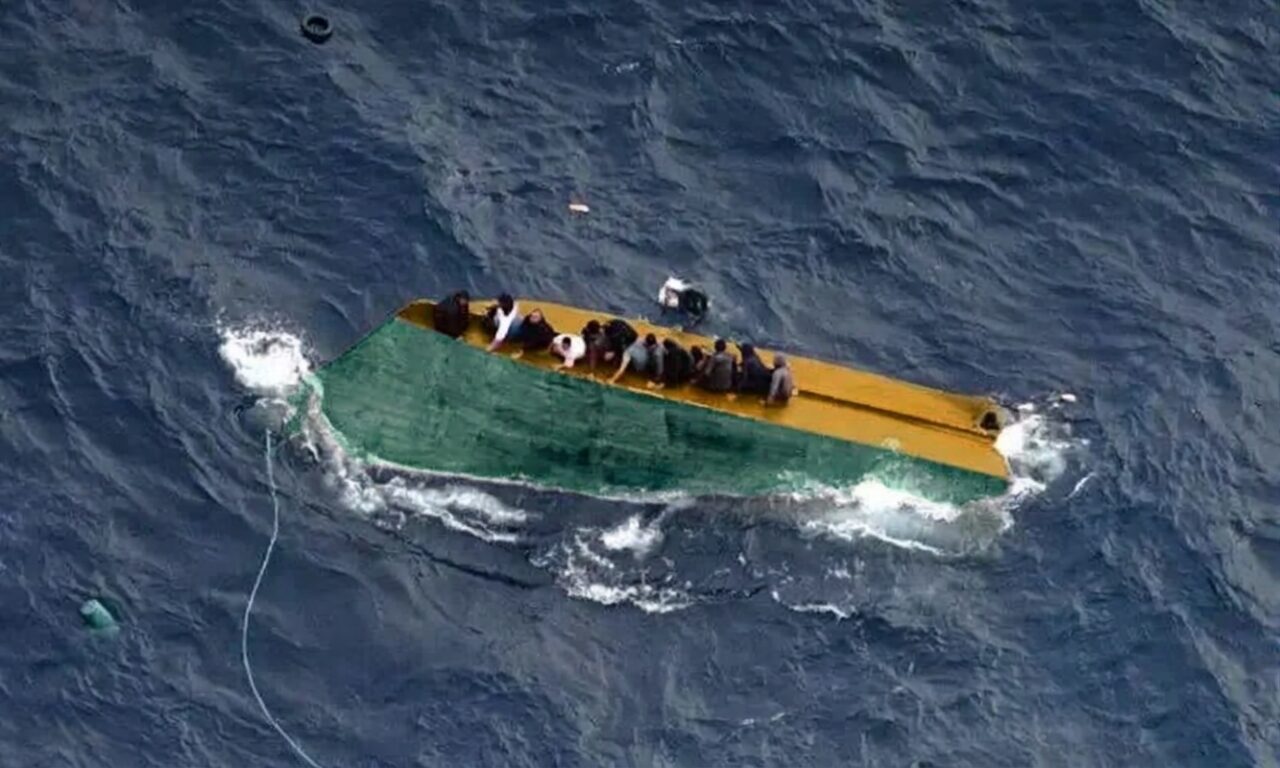
At least 39 people have died after a boat carrying migrants capsized off the coast of northwestern Senegal, with rescue teams continuing to search for others who may be missing.
The death toll rose on Monday, November 9, 2026, after emergency responders recovered four more bodies. Senegalese authorities said one person had been rescued alive, but the total number of people aboard the vessel was not known.
The wooden boat, known locally as a pirogue, had departed from Saint-Louis and was heading towards Spain when it overturned over the weekend off Lompoul, near the town of Kébémer.
Search continues along the coast
Rescue teams have been searching an approximately 25-kilometre stretch of coastline. Strong currents and difficult access to parts of the shore have complicated the operation, according to emergency workers.
Louga regional Governor Ndeye Nguenar Mbodj confirmed that four additional bodies were found on Monday, bringing the provisional death toll to 39.
The tragedy has affected communities in the surrounding region, including the coastal villages of Thieppe and Potou. Authorities have opened an investigation into the circumstances of the sinking.
President pledges government support
Senegalese President Bassirou Diomaye Faye expressed condolences to the families of the victims and said state resources had been mobilised to search for missing passengers and support affected families.
He also pledged to continue efforts against the networks organizing dangerous sea crossings and said his government would work to give young people more reasons to remain in Senegal.
Interior Minister Mouhamadou Makhtar Cissé visited the affected area on Monday to convey the government’s condolences and assess the response.
Calls for an inquiry
The Senegalese organization Action for Human Rights and Friendship called on the National Assembly to investigate the country’s response to irregular migration following the disaster.
The group argued that more effective action is needed to prevent deaths at sea as people continue to undertake the dangerous Atlantic crossing towards Spain’s Canary Islands.
The route from West Africa is considered one of the world’s deadliest migration journeys. Passengers often travel long distances in open wooden boats, exposed to rough seas and limited supplies.
Pressure along the Atlantic route
In a separate operation on Friday, Senegalese authorities intercepted another boat carrying 142 people who were attempting a similar journey. Officials said the group included women and children from Senegal and several other West African countries.
Meanwhile, officials on the Spanish island of El Hierro declared an emergency after more than 3,300 people arrived aboard approximately 30 boats since the beginning of November, placing additional pressure on local services.
Source: Omanghana