Omanghana
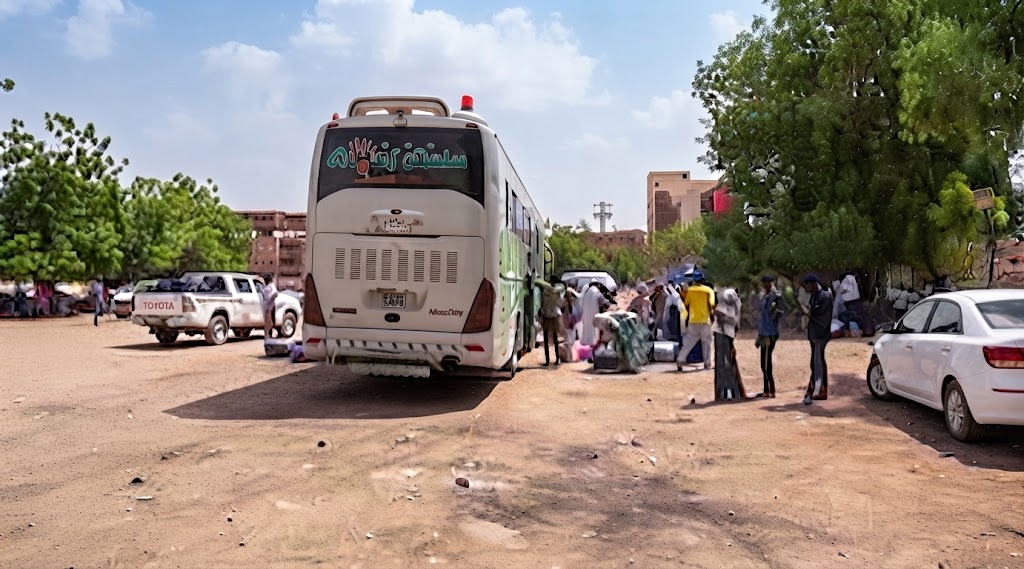
An estimated 2.7 million people have returned to Sudan’s capital, Khartoum, since the army regained control from the paramilitary Rapid Support Forces, but widespread destruction and shortages of essential services are making it difficult for families to rebuild their lives.
Around four million people fled the capital after fighting erupted in April 2023. For many returning residents, the relief of reaching home has been overshadowed by unreliable electricity, water shortages, unemployment and limited access to medicine.
Although authorities have repaired some infrastructure and reopened the airport for domestic flights, large parts of the city remain severely damaged. Families are returning to neighborhoods marked by destroyed homes, looted property and buildings blackened by fighting.
Frequent power outages have complicated everyday life, disrupting food storage and creating difficulties for patients whose medicines require refrigeration. Water supplies are also unreliable, leaving residents struggling to meet basic household needs.
Unexploded ammunition and suspected booby-traps pose additional dangers. These hazards have made returning to damaged homes and moving through affected neighborhoods particularly risky for children.
Markets have reopened, but rising prices and limited employment mean many households cannot afford essential goods. Some residents must buy food daily because refrigerators were stolen during the war or cannot function reliably during prolonged blackouts.
Healthcare remains another obstacle. Charities have helped restore some hospitals, yet shortages of essential medicines continue to affect patients with chronic conditions. Families are often left to search multiple pharmacies and pay directly for prescriptions while managing already strained finances.
The circumstances driving people back vary. Some have returned because they could no longer afford life in neighboring Egypt, while others have faced pressure to resume government duties or university studies in Khartoum.
The hardship has also divided families. Some workers and business owners are remaining in the capital to earn a living while sending relatives abroad, where healthcare and basic services are more accessible.
Returnees have largely settled in working-class neighborhoods, while wealthier districts remain sparsely populated as residents with sufficient resources continue living elsewhere.
For those attempting to start again, returning home has brought little certainty. Restoring dependable services, making neighborhoods safe and rebuilding livelihoods remain central to whether families can stay.
Source: Omanghana