Omanghana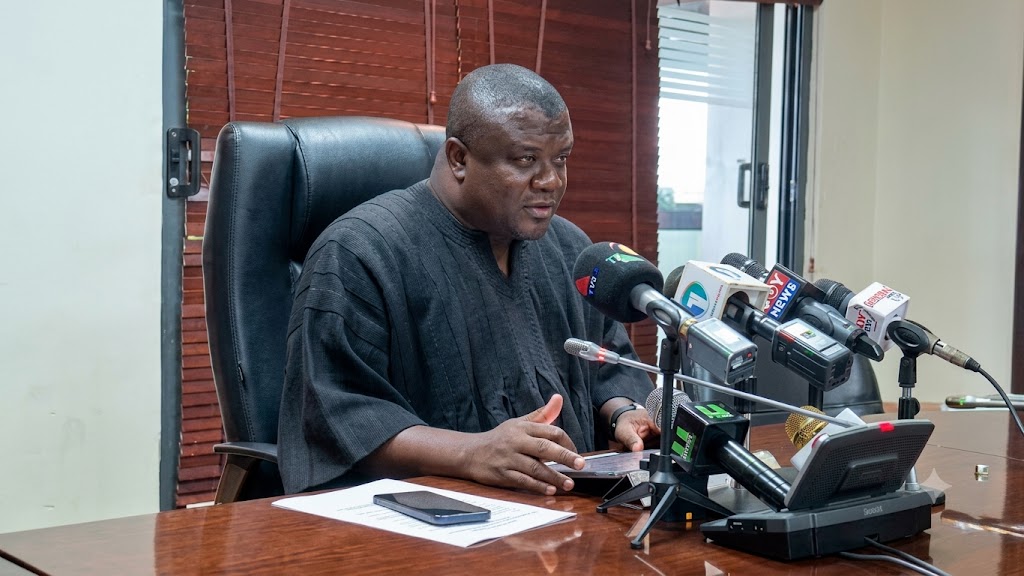
Ghana’s Parliamentary Minority has called on the Public Utilities Regulatory Commission (PURC) to provide an immediate explanation for its recently announced increases in electricity and water tariffs, arguing that the higher charges will place an unbearable burden on households and businesses across the country.
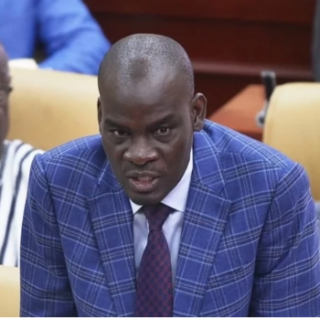
In a strongly worded statement led by the Ranking Member on the Mines and Energy Committee, John Jinapor, the opposition caucus questioned both the timing and justification of the tariff adjustments and warned that it could summon PURC officials to Parliament if its concerns are not adequately addressed.
Minority Raises Transparency Concerns
The Minority contends that the regulator has not sufficiently explained the basis for the latest tariff review, insisting that consumers deserve a clear and data-backed account of why the increases are necessary.
According to the caucus, greater transparency is essential to build public confidence and ensure that utility pricing decisions are supported by verifiable economic and operational evidence.
Calls for ECG Reforms Before Higher Charges
A key concern raised by the opposition is the performance of the Electricity Company of Ghana (ECG). The Minority argues that the utility provider should first tackle its longstanding commercial and technical losses before additional costs are transferred to consumers.
The lawmakers maintain that improving operational efficiency and revenue collection would help address financial challenges within the power sector without placing further pressure on customers.
Concerns Over Economic Hardship
The opposition also criticized the timing of the tariff increases, pointing to the financial difficulties already facing many Ghanaians. It argued that rising living costs, inflationary pressures, exchange rate volatility, and broader economic uncertainties make the latest adjustments particularly difficult for families and businesses to absorb.
The Minority warned that higher utility bills could further strain household budgets and increase operating expenses for small and medium-sized enterprises.
PURC Defends Tariff Adjustments
The political backlash comes after the PURC defended the revised tariffs as necessary to sustain the country’s electricity and water services.
According to the regulator and sector stakeholders, state-owned utility providers such as the Electricity Company of Ghana (ECG) and the Ghana Water Company Limited (GWCL) have faced persistent funding gaps, with existing tariffs reportedly falling short of covering production, transmission, and distribution costs.
Rising Costs and Energy Sector Challenges
The tariff review also comes amid broader financial pressures within Ghana’s energy sector. Authorities have pointed to funding shortfalls linked to legacy energy debts and increasing operational expenses as factors contributing to the need for adjustments.
Additionally, many key costs—including fuel supplies, imported equipment, and payments to Independent Power Producers (IPPs)—are tied to the US dollar. As a result, depreciation of the Ghanaian cedi has significantly increased the cost of maintaining electricity generation and distribution infrastructure.
Debate Expected to Continue
With the Minority demanding greater accountability and the PURC maintaining that the increases are necessary to preserve the financial viability of the utility sector, the issue is likely to remain at the center of parliamentary and public debate in the coming weeks.
The outcome of those discussions could influence future policy decisions on utility pricing, sector reforms, and measures aimed at balancing affordability with the long-term sustainability of Ghana’s energy and water services.
Source: Omanghana