Omanghana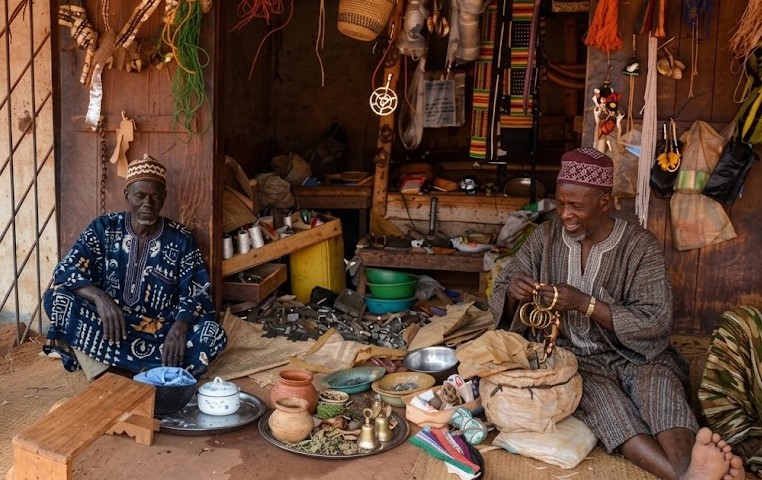
Muslim residents are slowly returning to Sibut in the Central African Republic more than a decade after sectarian violence destroyed their homes, businesses and places of worship.
The return is bringing renewed hope to the market town, where Christians and Muslims once lived and traded peacefully before civil war divided communities along religious lines.
Sibut, located about three hours north of the capital, Bangui, was historically known for its busy commercial activity and social cohesion. That stability collapsed in 2013 when the predominantly Muslim Séléka rebel coalition overthrew the country’s Christian president.
The rebellion triggered retaliatory attacks by anti-Balaka militias, which were largely composed of Christian and animist fighters. The conflict soon developed into widespread communal violence, forcing hundreds of thousands of people from their homes.
In Sibut, Muslim families became particular targets. Houses and shops in the Adramane district were destroyed, while the town’s central mosque was looted and left in ruins.
Many residents fled to safer areas or crossed the border into neighboring countries, including Chad. Their departure transformed Sibut’s population and severely weakened its once-thriving local economy.
More than 10 years later, improved security is encouraging some families to return and rebuild their lives.
Central African government forces have regained control of the area with support from United Nations peacekeepers and Russian Wagner fighters. The relative stability has allowed former residents to reopen shops, reconnect with neighbors and restore religious life.
One of the clearest signs of recovery is the reconstruction of Sibut’s central mosque. The Islamic call to prayer can once again be heard across the town, symbolizing the gradual return of a community that was nearly driven away entirely.
Local imams and government officials are promoting reconciliation and encouraging Muslims who remain in exile to consider coming home. Christian residents have also welcomed the return, recognizing the important role Muslim traders traditionally played in Sibut’s commercial life.
For many residents, restoring coexistence is not only a social priority but also an economic necessity. Muslim-owned businesses were once central to the distribution of food, household goods and other essential products across the town.
Their return could help revive commercial activity, create employment and rebuild supply networks damaged during the conflict.
However, resettlement remains difficult. Many returning families have found their former homes destroyed or occupied, leaving them without the resources needed to begin again.
Rebuilding houses and businesses requires money that most displaced families do not have. Access to public services, employment and financial assistance also remains limited.
Sibut’s progress comes as the Central African Republic continues to face deep poverty, political fragility and insecurity in several parts of the country. Armed groups remain active in some regions despite government efforts to restore national control.
The gradual return of Muslims to Sibut nevertheless offers a sign that reconciliation is possible. Its long-term success will depend on sustained security, assistance for returning families and a commitment from local communities to prevent the religious divisions of the past from emerging again.
Source: Omanghana