Omanghana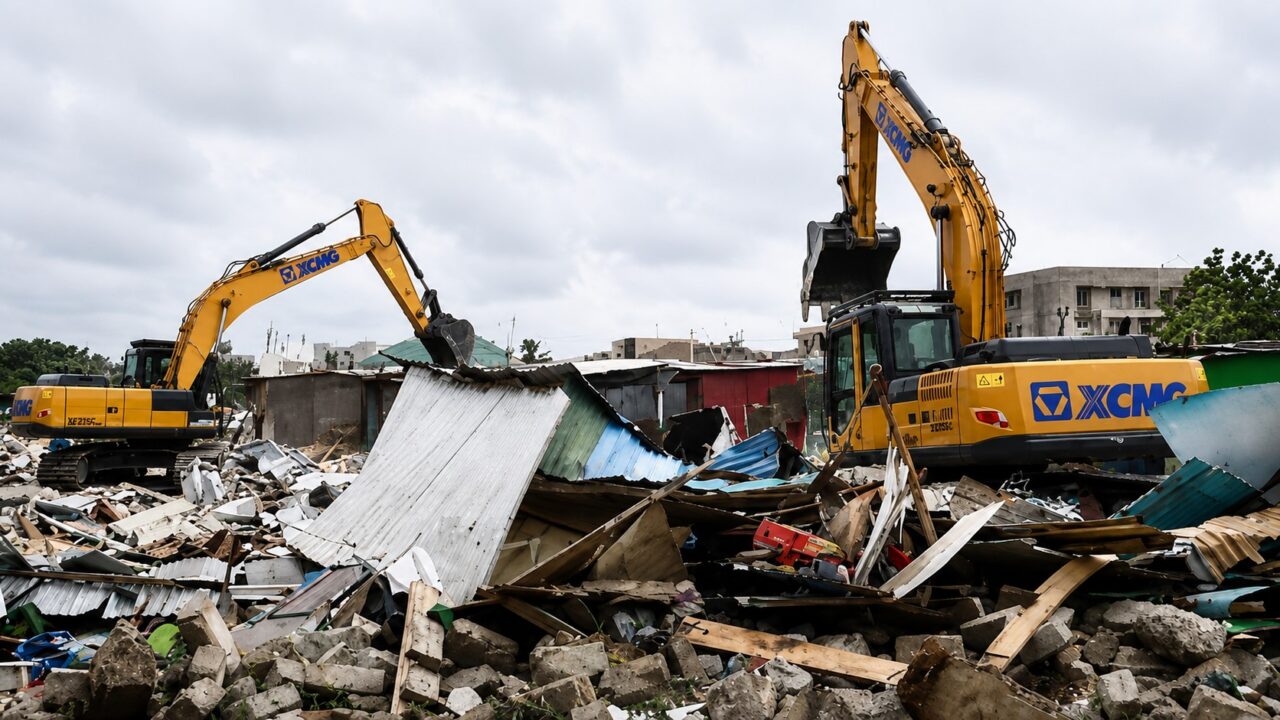
The National Flood Mitigation Task Force has begun a wide-ranging operation to dredge drains, remove accumulated silt and demolish unauthorized structures obstructing waterways across Accra.
The phased exercise, which started on Friday, July 24, 2026, follows a directive from President John Dramani Mahama to address the capital’s persistent flooding and restore the free movement of stormwater through major drainage channels.
The operation brings together central government officials, local assemblies, security agencies and technical personnel. It is being supported by the Engineering Regiment of the Ghana Armed Forces, which is providing equipment and expertise for the demolition and dredging activities.
Officials leading the exercise include presidential adviser Stan Xoese Dogbe, Minister for Works, Housing and Water Resources Kenneth Gilbert Adjei and task force coordinator Brigadier General Forster Okae-Yeboah.
Initial operations have commenced in New England, the Tesa Dam enclave and Oyarifa, where structures, walls, refuse and other obstructions are believed to be interfering with the natural movement of water.
At the Tesa Dam enclave, the team is focusing on unauthorized walls and waste materials that have restricted drainage capacity. The intervention is expected to restore sections of the waterway and reduce the possibility of runoff overflowing into nearby homes, roads and businesses during heavy rainfall.
In Oyarifa and New England, personnel are assessing drainage channels and removing structures identified as encroachments on waterways. Heavy-duty machinery is also being deployed to clear silt, waste and vegetation from sections of the drainage system.
The task force said the exercise would be extended to other flood-prone communities in phases. Weija, Mallam and Laboma are among the areas expected to be covered in subsequent operations.
These communities have experienced recurring floods linked to inadequate drainage, rapid development, improper waste disposal and the construction of buildings and walls along natural watercourses.
The operation will include the demolition of structures constructed directly within waterways and the removal of bridges or crossings that create bottlenecks. Drains and streams will also be dredged and desilted to increase their capacity to carry stormwater.
Authorities indicated that the exercise is not limited to demolitions. Technical teams will examine how water moves through the affected areas and identify portions of the drainage network requiring redesign, expansion or continuous maintenance.
Plans are also underway to establish protected buffer zones around major drains and watercourses. The proposed zones are intended to prevent construction too close to waterways and preserve enough space for water to move safely during periods of intense rainfall.
Minister Kenneth Gilbert Adjei said the program would continue throughout the year and should not be regarded as a temporary response to a major flood or an approaching rainy season.
According to him, the government intends to combine immediate enforcement with long-term drainage management. This will include regular desilting, monitoring of waterways and action against individuals or organizations that attempt to rebuild within cleared areas.
Metropolitan, municipal and district assemblies will be expected to protect the reclaimed spaces and prevent fresh encroachment after the task force completes its work.
The assemblies are also expected to strengthen development-control measures, inspect construction projects and ensure that permits are not granted for buildings located on waterways or within designated buffer zones.
Officials warned that the success of the initiative would depend on consistent enforcement. Previous drainage exercises have sometimes been undermined by the return of illegal structures and the continued dumping of refuse into cleared channels.
Accra has experienced repeated flooding over the years, particularly after prolonged or intense rainfall. Blocked drains, undersized culverts, poor waste disposal and development on wetlands and natural waterways have frequently been identified as major contributing factors.
Floods in the capital have caused deaths, displaced residents, damaged homes and commercial properties and disrupted transportation. They have also created sanitation and public-health risks by mixing stormwater with sewage and accumulated waste.
The involvement of the Ghana Armed Forces Engineering Regiment is expected to strengthen the technical capacity of the operation, especially in areas requiring heavy machinery, structural removal and large-scale dredging.
The task force has appealed to residents and property owners in affected communities to cooperate with officials. Members of the public have also been urged to stop dumping waste into drains and to report new developments that threaten waterways.
Authorities said the exercise would be carried out in accordance with the law, with affected structures assessed before action is taken. Property owners may be required to provide valid permits and documents showing that their developments were legally approved.
The government believes that restoring waterways, enforcing buffer-zone protections and maintaining drainage infrastructure throughout the year will reduce the frequency and severity of flooding in Accra.
However, officials acknowledge that dredging and demolitions alone will not resolve the capital’s flood problem. Long-term progress will require better spatial planning, improved waste collection, expanded drainage infrastructure and sustained enforcement by local authorities.
Source: Omanghana