Omanghana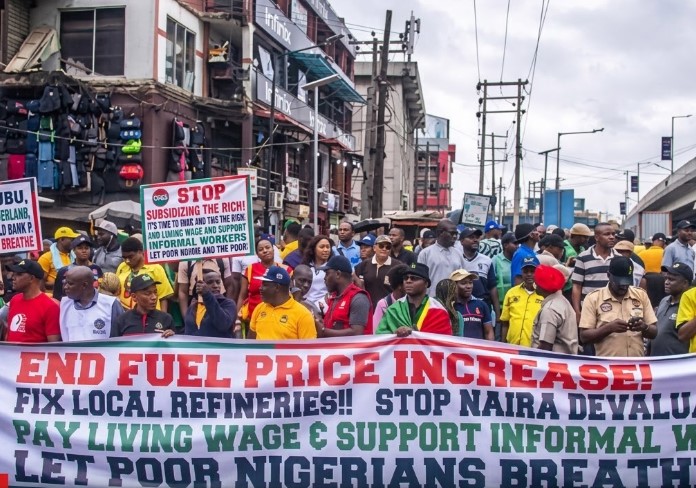
The Nigeria Labor Congress has announced plans to reopen minimum wage negotiations with the federal government, proposing a new monthly wage floor of ₦500,000, approximately $365.
Organized labor formally presented the demand during the Nigeria Rights of Workers Summit held in Birnin Kebbi on August 6, 2026.
The proposal represents an increase of more than 600% from Nigeria’s current statutory minimum wage of ₦70,000 per month.
Labor leaders argue that rising food prices, transportation expenses, energy tariffs and the continued depreciation of the naira have made the existing wage inadequate for workers and their families.
Labor Says ₦70,000 Wage Has Lost Its Value
President Bola Tinubu approved an increase in the national minimum wage from ₦30,000 to ₦70,000 in July 2024, representing a rise of about 133%.
However, the NLC says persistent inflation and economic reforms have rapidly reduced the purchasing power of the revised wage.
At an estimated value of $51 per month, the current wage can no longer meet basic household expenses, including food, housing, transportation, healthcare and education, labor representatives argued.
They maintain that the proposed ₦500,000 rate should be treated as a living wage rather than an excessive demand.
NLC Highlights Wage Differences Across Africa
Organized labor also compared Nigeria’s wage floor with those of other African countries to demonstrate the scale of the disparity.
The NLC cited monthly minimum wages of approximately $145 in Kenya, $160 in Egypt, $320 in South Africa and $375 in Mauritius.
Labor leaders argued that Nigeria’s lower wage has become increasingly difficult to justify as workers face escalating living and operational costs.
However, direct comparisons between national minimum wages may be affected by differences in exchange rates, taxation, working hours and the cost of living in each country.
Joe Ajaero Promises Strategic Mobilization
NLC President Joe Ajaero said the union would pursue strategic engagement with the federal government while mobilizing workers to support the campaign.
He emphasized that employees require a genuine living wage capable of providing a reasonable standard of living, rather than a payment that barely supports daily survival.
The NLC is expected to consult its affiliates and other labor organizations as it prepares for negotiations with the government.
Sowore Supports ₦500,000 Demand
Human rights activist and former presidential candidate Omoyele Sowore has endorsed the proposed wage increase.
Sowore described the demand as necessary and long overdue, arguing that the current economic conditions justify a major revision of workers’ salaries.
Supporters believe higher wages would improve household consumption and reduce financial pressure on workers. Critics may raise concerns about whether governments and private employers can afford such a significant increase without cutting jobs or raising prices.
Some States Already Pay Above Federal Minimum
Several state governments have introduced wages higher than the federal minimum to help workers manage the rising cost of living.
Imo State has increased its minimum wage to ₦104,000, while Lagos and Rivers states operate a baseline of ₦85,000.
The differences reflect varying revenue capacities and economic conditions across Nigeria’s states. They also demonstrate growing pressure for wages to be reviewed more frequently during periods of high inflation.
Presidency Signals Openness to Wage Reviews
The presidency has previously indicated that it is open to continuing discussions about workers’ salaries.
Chief of Staff Femi Gbajabiamila said the administration considers organized labor a development partner and recognizes the importance of periodic wage reviews.
Any increase to the national minimum wage would require negotiations involving the federal government, labor unions, state authorities and private-sector employers.
The proposed ₦500,000 wage is expected to become a major subject of economic and political debate as the NLC begins its renewed campaign.
Source: Omanghana