Omanghana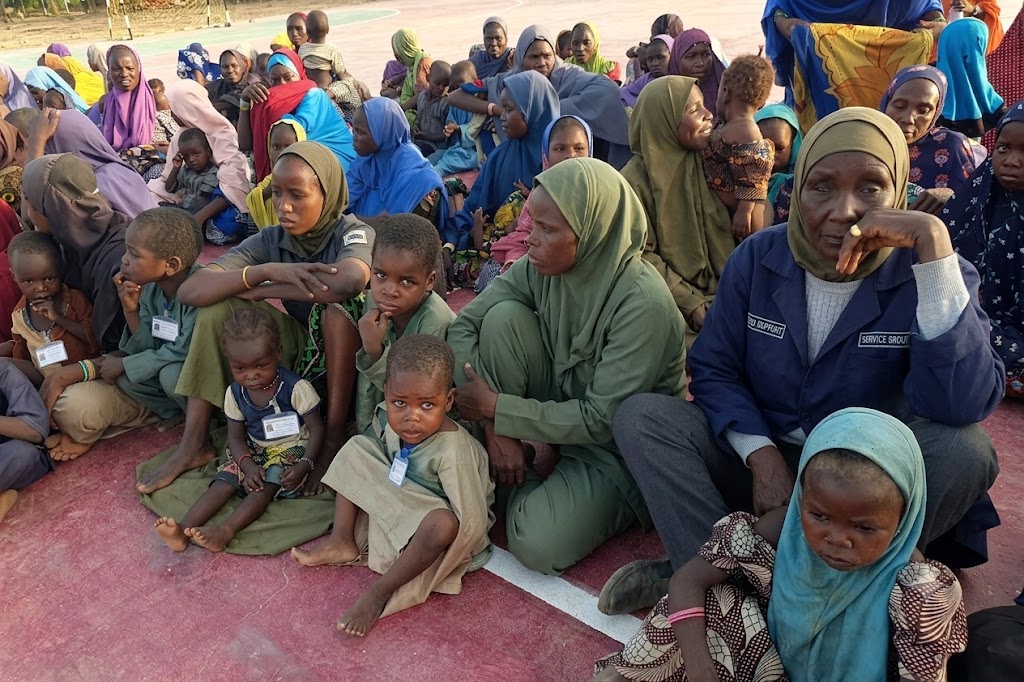
Nigerian security forces have rescued 308 people from camps inside the Kainji Lake National Park Forest in what President Bola Tinubu described as the country’s largest same-day rescue operation by a joint security team.
The intelligence-led mission was conducted in the New Bussa area of Niger State through a coordinated effort involving the National Counter-Terrorism Centre, the Armed Forces of Nigeria, the Department of State Services and the Nigeria Police Force.
Among those rescued were 163 people abducted from Woro Community in the Kaiama Local Government Area of Kwara State. The remaining 145 victims were kidnapped during separate attacks in Niger State.
Some of the Woro residents had reportedly remained in captivity since a deadly jihadist attack on their community in February 2026. The assault was part of growing militant activity in areas surrounding the Kainji forest corridor.
President Tinubu welcomed the rescue and commended the security personnel involved for their courage, professionalism and cooperation.
“The successful execution of this intelligence-led operation demonstrates the growing efficiency and collaboration among our security services,” the president said.
The rescued victims were taken to a medical facility at Wawa Cantonment, where they are receiving first aid and undergoing medical assessments. Authorities are also expected to provide additional care before handing them over to their respective state governments for reunification with their families.
Officials did not immediately release detailed information about how the operation was conducted or whether any suspected kidnappers were arrested or killed.
Following the rescue, Tinubu directed security agencies to strengthen early-warning systems, improve intelligence gathering within local communities and expand their capacity to respond rapidly to abductions and other security threats.
The operation represents a significant breakthrough for Nigeria, where kidnapping for ransom remains a serious problem, particularly across northern and central communities. Criminal gangs and extremist groups frequently exploit remote forests as bases for attacks and places to hold their victims.
The government said it remains committed to dismantling armed groups, protecting vulnerable communities and securing the release of other people still being held in captivity
Source: Omanghana