Omanghana
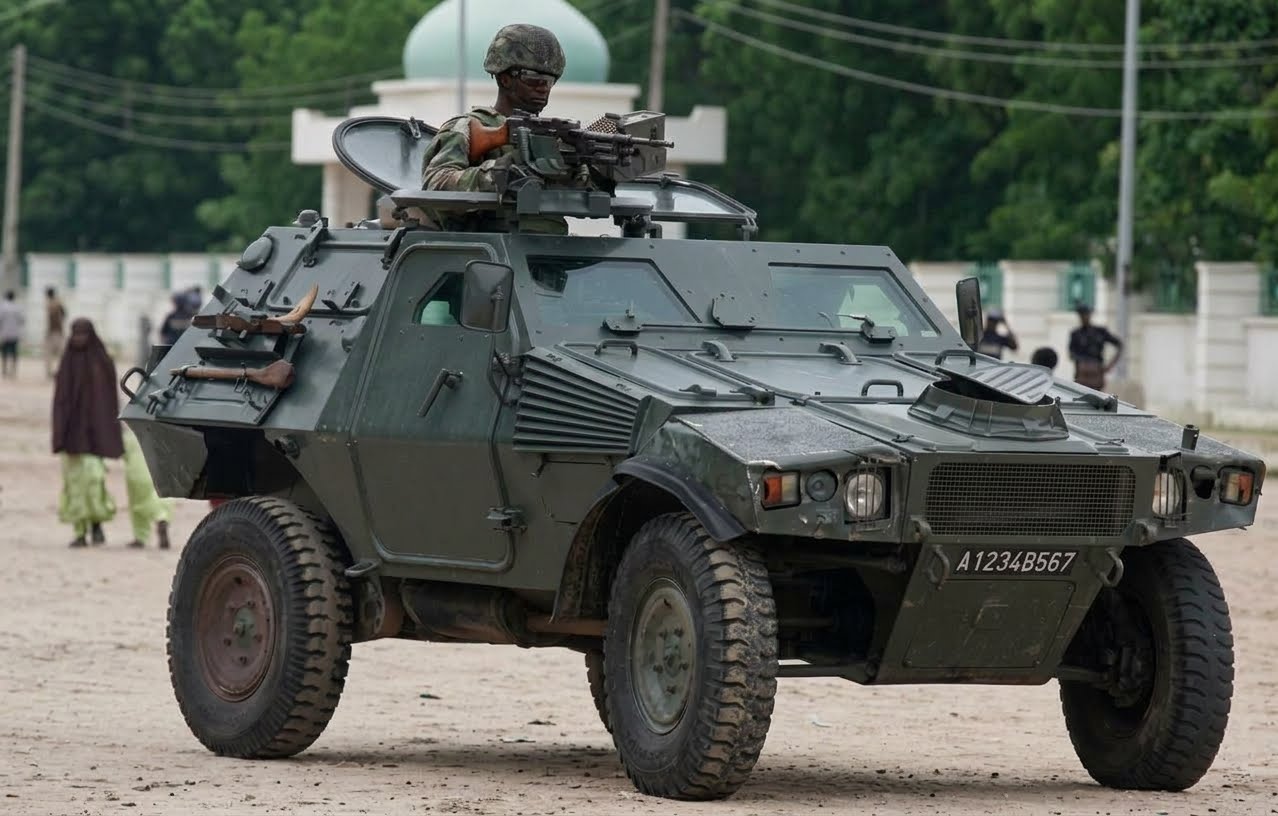
Nigeria’s Chief of Army Staff, Lieutenant General Waidi Shaibu, arrived in Maiduguri, Borno State, on Saturday, October 17, 2026, for an urgent operational visit following an insurgent attack that reportedly killed 15 soldiers and five civilian militia members.
President Bola Tinubu ordered the visit as the military reviews its counterinsurgency operations amid increased activity by the Islamic State West Africa Province (ISWAP) around the Lake Chad basin.
The visit followed an overnight assault between October 13 and 14 on a forward operating base in Mairari village, Guzamala Local Government Area.
Heavily armed ISWAP fighters reportedly overran the position, seized weapons from its armory and set the facility ablaze. Alongside the military fatalities, five members of the Civilian Joint Task Force were reported killed.
Surviving troops withdrew approximately 18 kilometers to the garrison town of Monguno. Several soldiers remained unaccounted for, raising concerns about their whereabouts, although their possible capture had not been confirmed.
A separate attack on October 17 compounded the losses as the army chief arrived in the state. Eight soldiers were reportedly killed when their patrol vehicle struck an explosive device in Kinuba village, about 25 kilometers from Gamboru near the Cameroon border.
The device was allegedly planted and remotely detonated by ISWAP fighters. A civilian militia member accompanying the patrol was wounded.
Addressing troops at the Maimalari Military Cantonment, Shaibu urged them to sustain pressure on insurgent groups and reaffirmed the military’s commitment to restoring security across the Northeast.
He also met regional commanders and visited wounded personnel receiving treatment at the 7 Division Medical Services Hospital.
Meanwhile, Borno State Governor Babagana Zulum called for a stronger, coordinated regional offensive involving border areas adjoining Chad, Cameroon and Niger. He urged closer cooperation to prevent insurgents from using cross-border hideouts to evade military operations.
Source: Omanghana