Omanghana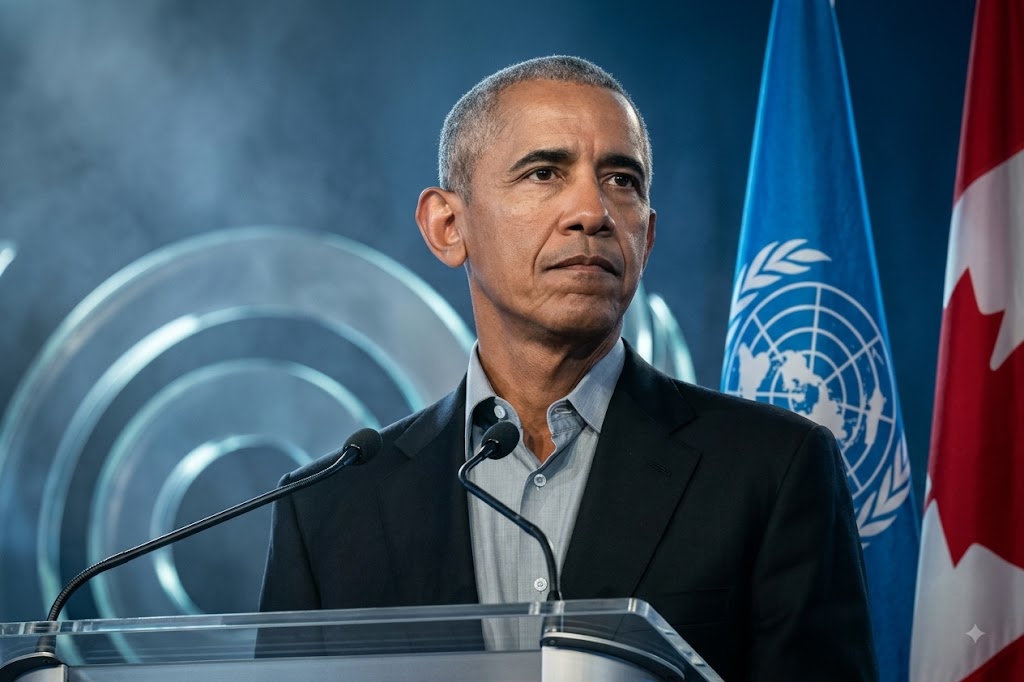
Fifteen years after the NATO-led intervention that removed Muammar Gaddafi from power, four major North African countries have reportedly spent more than $320 billion strengthening their armed forces.
Algeria, Morocco, Egypt and Tunisia invested the amount between 2011 and 2025 as governments responded to the instability, cross-border crime and security vacuums that followed Libya’s political collapse.
Data attributed to the Stockholm International Peace Research Institute shows that the four countries directed substantial resources toward combat aircraft, naval platforms, military drones, attack helicopters and advanced air-defense systems.
The spending reflects a wider shift toward greater regional military preparedness as North African governments seek to protect their territories from conflicts that can spread across national borders.
Libya descended into prolonged instability after the 2011 NATO-backed uprising toppled and killed Gaddafi. Rival political administrations, armed groups and foreign-backed factions have since competed for control of the country.
The intervention and its aftermath have remained subjects of international debate. In 2016, former United States President Barack Obama described the failure to prepare adequately for Libya after Gaddafi’s removal as the “worst mistake” of his presidency.
Libya’s economic indicators have also deteriorated significantly since the intervention. Its gross domestic product per person reportedly stood at approximately US$12,000 in 2010 but had declined to about US$6,449 by 2025.
The country has additionally struggled with a fiscal deficit estimated at 30 per cent, while political division has weakened national institutions and disrupted the delivery of public services.
Before 2011, Libya recorded Africa’s highest Human Development Index. Years of conflict, institutional fragmentation and damage to public infrastructure have since eroded many of those gains.
The consequences have extended beyond Libya. Weapons circulated across poorly controlled borders, while armed groups and extremist networks expanded their activities into parts of the Sahel and other neighboring regions.
North African governments responded by reinforcing their borders and acquiring more sophisticated military equipment. Purchases reportedly included French Rafale jets, American F-16 fighter aircraft, Apache attack helicopters, drones, radar systems and missile-defense platforms.
However, Libya’s instability has not been the only factor driving the spending. Long-standing regional rivalries have also contributed to the military buildup.
Algeria and Morocco have significantly expanded their armed forces amid persistent tensions over Western Sahara and a broader struggle for regional influence. The two countries reportedly spent a combined US$31.7 billion on defense in 2025 alone.
Morocco has strengthened defense cooperation with the United States and other Western partners, while Algeria has traditionally maintained extensive military ties with Russia. Their competing procurement program have raised concerns about an accelerating regional arms race.
Egypt’s military modernization has been shaped by several security pressures. In addition to monitoring its long and vulnerable western border with Libya, Cairo faces instability in the Gaza Strip, security concerns in the Sinai Peninsula and wider tensions affecting the Red Sea and eastern Mediterranean.
Tunisia has a smaller defense budget than the other three countries but has also increased its focus on border surveillance, counterterrorism and internal security in response to threats associated with Libya and the Sahel.
The more than US$320 billion spent between 2011 and 2025 illustrates how the consequences of Libya’s collapse have influenced security policy throughout North Africa.
While stronger armed forces may improve border protection and crisis preparedness, the scale of the expenditure has also prompted debate about competing development priorities in a region facing unemployment, fiscal pressure and infrastructure challenges.
The continuing military expansion suggests that North African governments consider Libya’s unresolved political crisis—and the broader instability surrounding it—a long-term strategic threat rather than a temporary emergency.
Source: Omanghana