Omanghana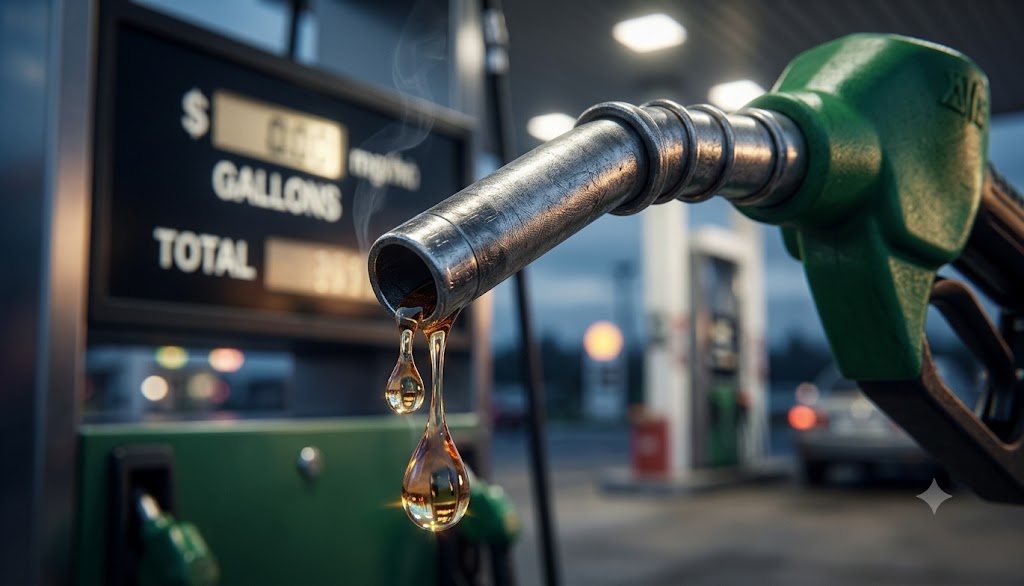
The National Petroleum Authority has announced significant increases in the minimum prices at which petrol, diesel and liquefied petroleum gas may be sold in Ghana during the first pricing window of August 2026.
The revised thresholds prevent Oil Marketing Companies and LPG Marketing Companies from selling the affected products below the approved regulatory floors during the pricing period.
Diesel recorded the largest increase, with its minimum price rising from GH¢14.35 to GH¢16.97 per liter. The GH¢2.62 adjustment represents an increase of approximately 18.3%.
The price floor for petrol has moved from GH¢13.28 to GH¢14.53 per liter. This represents an increase of GH¢1.25, or about 9.4%, compared with the second pricing window of July.
LPG has also increased by approximately 8.5%, rising from GH¢10.19 to GH¢11.06 per kilogram.
The August revision represents the second consecutive increase in the regulatory benchmarks. For the pricing window beginning July 16, the NPA raised petrol from GH¢12.79 to GH¢13.28 per liter and diesel from GH¢13.54 to GH¢14.35.
Price Floors Are Not Final Pump Prices
The approved figures represent the minimum allowable prices under Ghana’s Petroleum Products Pricing Guidelines. They are not necessarily the final amounts consumers will pay at filling stations.
The benchmarks exclude premiums charged by International Oil Trading Companies, the operating margins of Bulk Import, Distribution and Export Companies, and margins independently determined by OMCs, LPG marketers and retail dealers.
Once those expenses are added, the final pump prices announced by individual fuel brands could be higher than the NPA floors.
The policy also means companies that were previously offering petrol, diesel or LPG below the new thresholds will have to adjust their prices upward.
International Prices and Cedi Pressures Drive Review
Ghana’s petroleum-pricing system responds to changes in international refined-product prices, foreign-exchange rates, taxes, levies and other components of the fuel-price build-up.
The latest review comes amid volatility in global petroleum markets and renewed pressure on the Ghana cedi against the US dollar, the principal currency used to finance fuel imports.
Increases in international petrol and diesel benchmarks raise the cost of petroleum products purchased by importers. A weaker cedi further increases the local-currency amount required to pay for those supplies.
During the previous pricing window, international benchmark prices for petrol and diesel had already risen, contributing to the July adjustment.
The new August floors indicate that those pressures have intensified, particularly for diesel, which is widely used by commercial transport operators, industries, farmers and backup electricity generators.
Price-Floor Policy Remains Controversial
The NPA introduced the petroleum price-floor mechanism in April 2024 to prevent aggressive undercutting and price distortions in Ghana’s deregulated downstream market.
According to the regulator, the policy promotes stability, sustainability and fair competition by preventing companies from selling fuel below a reasonable cost benchmark.
Consumer groups have repeatedly challenged that explanation.
The Chamber of Petroleum Consumers has called for the mechanism to be suspended or abolished, arguing that competition among OMCs should determine the lowest retail prices.
Critics contend that the mandatory floors protect the margins of industry operators while preventing efficient companies from passing lower costs and discounts on to consumers.
They also argue that the policy can weaken the benefits of deregulation by limiting price competition among fuel stations.
The NPA has defended the system, maintaining that unchecked underpricing could distort the market, threaten the survival of smaller OMCs and create long-term risks for fuel supply.
Transport Fare Debate Expected to Return
The latest increases are likely to intensify pressure from commercial transport operators seeking higher fares.
Transport unions had proposed a 30% increase in public transport fares, citing rising fuel prices, spare-parts costs and other operating expenses.
That proposal was suspended following discussions with the Ministry of Transport on July 28. The unions agreed to maintain existing fares temporarily after the government indicated that measures were being considered to stabilize fuel prices.
GPRTU Deputy Public Relations Officer Samuel Amoah warned, however, that discussions could resume if prices increased again during the next petroleum-pricing window. GBC Ghana
With petrol and diesel now set to rise sharply in the August window, transport operators are expected to reopen negotiations with the government.
Any adjustment in commercial transport fares could affect food distribution, school and workplace commuting, agricultural production and the general cost of goods and services.
Diesel’s 18.3% increase is likely to have the widest economic effect because of its importance to freight transport, construction, mining and industrial operations.
Consumers are expected to begin seeing revised prices at filling stations as individual OMCs publish their rates for the first half of August. The NPA’s official price-floor records are available through its petroleum price-floor portal.
Source: Omanghana