Omanghana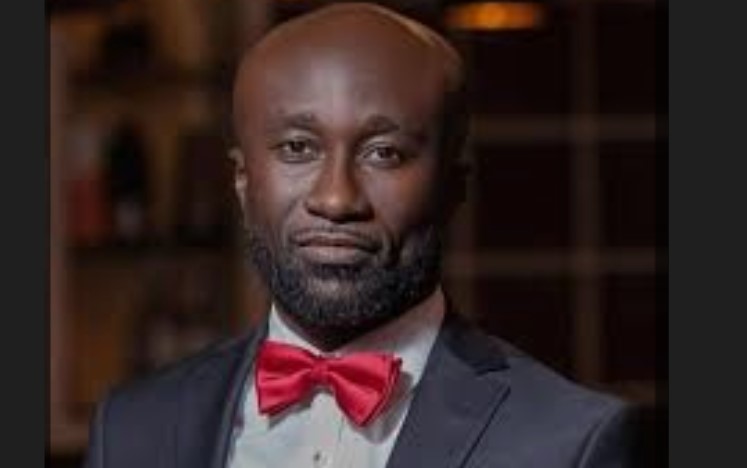
Kweku Osei Korankyi Asiedu, popularly known as KOKA, has been granted bail in the sum of GH₵50,000 following his arrest by the police over allegations linked to a viral video recorded at a police facility in Accra.
The outspoken New Patriotic Party (NPP) activist and entertainment critic was detained and formally charged on Monday, May 25, 2026, for alleged offensive conduct conducive to the breach of public peace. Authorities claim the incident stemmed from statements made during a heated confrontation captured on video at the Accra Regional Police Headquarters.
The widely circulated footage quickly generated public controversy after many viewers interpreted the exchange as a direct confrontation between KOKA and a law enforcement officer. Initial reactions on social media suggested that the political communicator had allegedly threatened state security personnel and warned of future retaliation “when power changes,” comments that critics argued could undermine public confidence in state institutions and inflame political tensions.
However, following KOKA’s interrogation by investigators, his legal team strongly rejected claims that he had issued threats against the police service or state authorities. His lawyer, Justice Afoakwa, stated that the confrontation shown in the viral video was actually part of an internal disagreement involving members within the NPP party structure and was not directed at the Ghana Police Service.
According to the defense team, KOKA fully cooperated with investigators throughout the interrogation process and maintains deep respect for the police and other state institutions. His lawyers argued that the viral clip had been widely misinterpreted online and insisted that their client did not intend to threaten or intimidate any law enforcement personnel.
The case has further intensified Ghana’s increasingly heated political atmosphere, particularly amid growing public debate over recent police actions involving political communicators, social media personalities, and opposition-affiliated figures. Several opposition voices and NPP officials have accused the government of selectively using state security agencies to target critics and individuals perceived to be aligned with the opposition.
Senior members of the NPP have publicly condemned what they describe as a growing pattern of intimidation, harassment, and politically motivated arrests directed at pro-opposition activists and commentators. Some party executives argue that the increasing number of investigations involving political communicators raises concerns about freedom of expression and the neutrality of state institutions during periods of heightened political tension.
The controversy surrounding KOKA’s arrest has also fueled wider conversations on the role of social media in Ghanaian politics, where viral videos and live-streamed confrontations increasingly shape public narratives and political discourse. Analysts warn that emotionally charged online content can rapidly escalate political disputes and create additional pressure on law enforcement agencies already operating within a polarized national environment.
Despite the political backlash, authorities maintain that the arrest was based strictly on the content and circumstances surrounding the incident under investigation. Police officials have emphasized that all individuals, regardless of political affiliation, remain subject to the laws governing public conduct and statements considered capable of disturbing public peace.
KOKA’s release on bail now sets the stage for further legal proceedings as both prosecutors and defense lawyers prepare for the next phase of the case, which is expected to attract continued national attention due to its political implications and broader concerns surrounding free speech, partisan tensions, and state authority in Ghana.
Source: Omanghana