Omanghana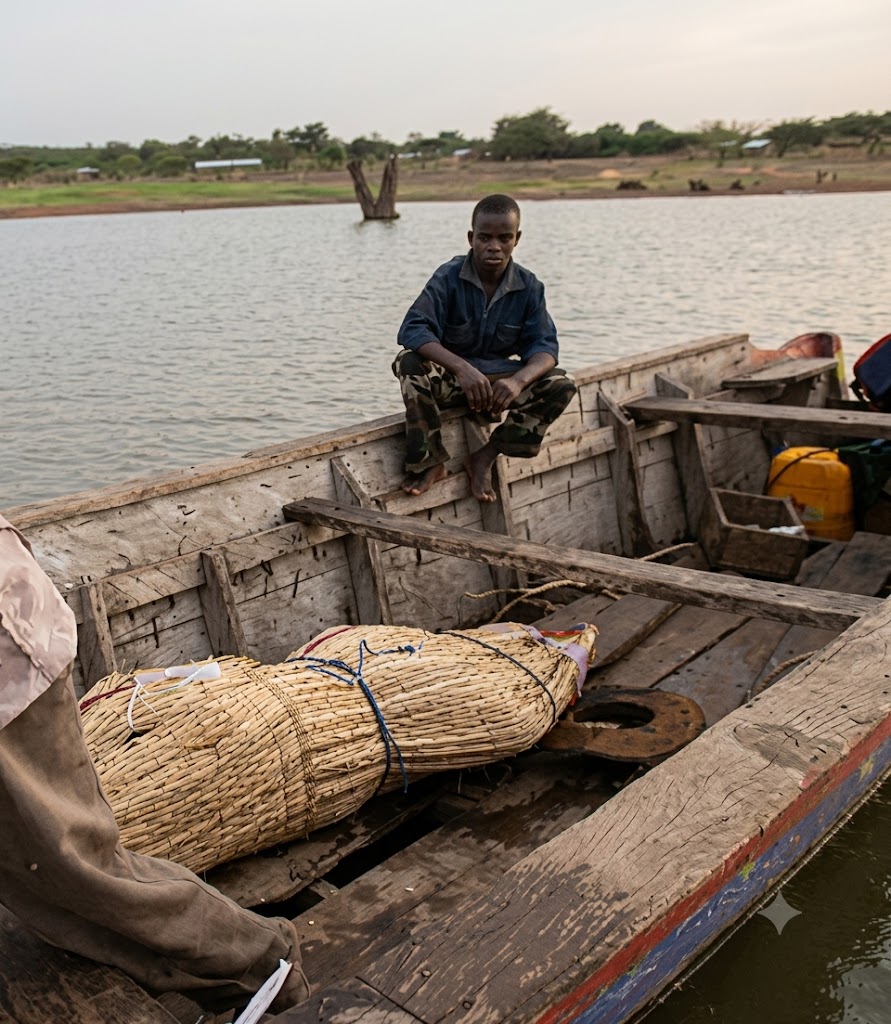
The death toll from a devastating canoe accident on Ghana’s River Oti has risen to six after rescue teams recovered the final missing body on Thursday evening, July 9, 2026.
The tragedy occurred on Tuesday evening, July 7, at Salnaayili in the Nanumba North Municipality of Ghana’s Northern Region, when a wooden canoe carrying eight passengers capsized while crossing the river.
The passengers were reportedly returning from a funeral ceremony in the nearby village of Zonyohini when the vessel overturned in the middle of the river, sending all occupants into the water.
How the Accident Happened
According to local accounts, the canoe was carrying eight people along with their personal belongings. Those on board included one man, five women, and two infants.
Witnesses and community members said the canoe was heavily overloaded and developed problems during the crossing. Midway through the journey, the wooden vessel reportedly began taking in water after the hull started leaking.
As water quickly filled the canoe, the boat lost stability and eventually overturned in the strong river currents, leaving passengers struggling for survival.
Only one woman and her baby were able to swim to safety immediately after the accident. The remaining six passengers were swept away by the force of the river.
Rescue Operation Concludes
Search and rescue teams launched operations shortly after the canoe capsized.
Three bodies were recovered in the initial stages of the search, while two additional victims were found on Wednesday evening. The final missing passenger was located and retrieved on Thursday, bringing the recovery mission to an end.
Authorities confirmed that all six missing passengers died by drowning.
The victims included:
- Four women.
- One man.
- One infant.
Concerns Over Water Safety Standards
The incident has renewed concerns about safety practices on Ghana’s inland waterways, particularly along the Oti River and Volta Lake networks, where canoe accidents continue to claim lives.
Former Salnaayili Assembly Member Kofi Samuel revealed that none of the passengers on board the canoe was wearing a life jacket at the time of the accident.
Community leaders and safety advocates have repeatedly warned about the dangers associated with overloaded wooden boats, inadequate safety equipment, and weak enforcement of maritime regulations.
Many rural communities depend on canoe transport for daily movement and access to markets, schools, and social activities. However, limited monitoring and poor compliance with safety requirements have contributed to repeated incidents of drowning.
Authorities are expected to intensify calls for stronger enforcement of water transport regulations, including mandatory use of life jackets, improved inspection of canoes, and stricter measures against overloading.
The River Oti tragedy adds to ongoing concerns about passenger safety on Ghana’s waterways and highlights the urgent need for stronger preventive measures to protect communities that rely on river transportation.
Source: Omanghana