Omanghana
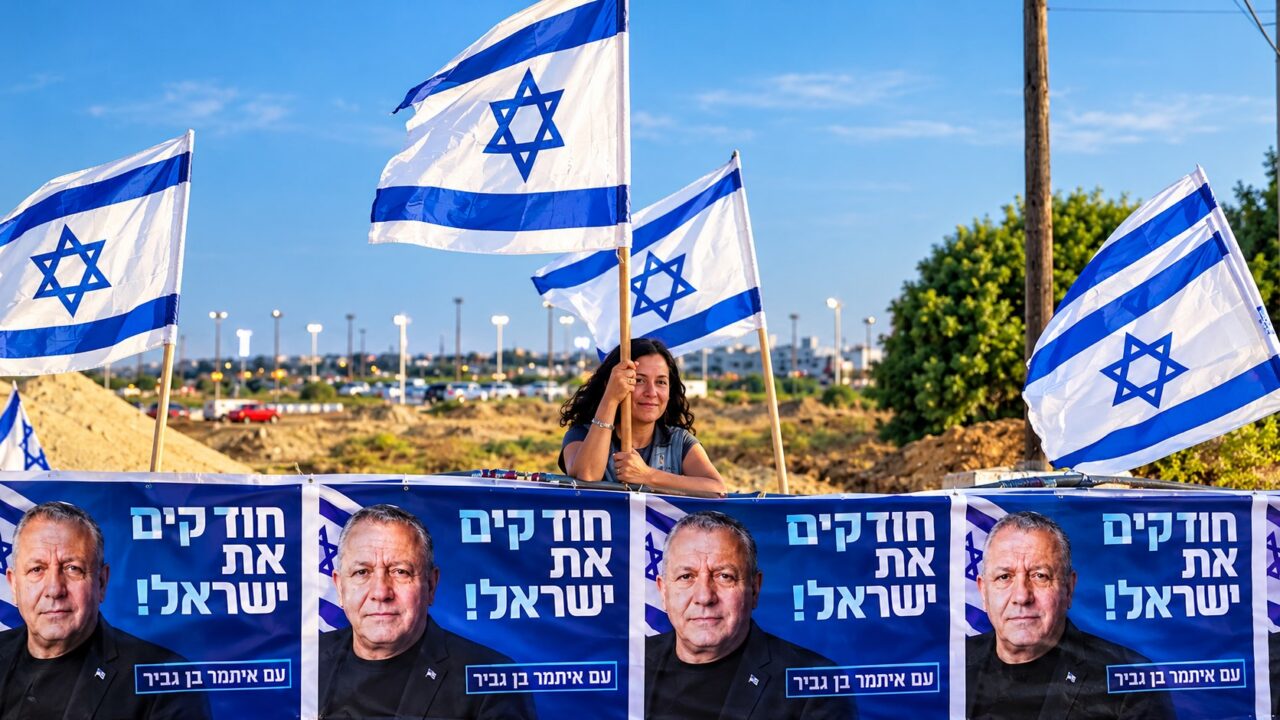
Palestinian citizens of Israel are looking for stronger political representation and improvements in their communities after high voter turnout placed Arab-led parties on course for historic gains in the October 27, 2026, parliamentary election.
Preliminary tallies indicated that Ra’am and the Joint List could together secure about 19 seats in the 120-member Knesset, nearly double their outgoing representation. With counting continuing, the figures remained provisional.
High Turnout Reshapes Parliamentary Balance
Arab voter turnout was estimated at around 80%, according to election-night reporting. Early exit polls projected between 17 and 18 seats for Arab parties, before subsequent counting pointed towards 19.
The emerging results left Prime Minister Benjamin Netanyahu’s bloc on approximately 53 seats and Gadi Eisenkot’s opposition grouping on 48. Both were short of the 61 seats needed for a majority.
That arithmetic gives Arab-led parties potential influence over government formation, although political divisions could prevent their parliamentary strength from translating into a governing agreement.
Voters Demand Safety and Equality
Among the priorities voiced by Arab voters were tackling crime, improving funding for their communities and expanding economic opportunities.
Opposition to discrimination and the rhetoric of the outgoing government also helped mobilise voters. For many, the election offered an opportunity to press for greater equality and a stronger voice in national decisions.
Coalition Cooperation Remains Uncertain
Despite the potential parliamentary majority available through cooperation, opposition parties remain divided over working with Arab representatives.
Eisenkot’s position has not amounted to an unconditional invitation. His stated requirements for coalition partners include recognizing Israel as a Jewish state and supporting the dismantling of Hamas conditions that present obstacles for some Palestinian representatives.
The Arab-led parties also differ in their preferred approach. Joint List leader Yousef Jabareen has indicated willingness to support an Eisenkot-led minority government from outside the coalition, while Ra’am leader Mansour Abbas has expressed readiness to join a government.
The result leaves Palestinian citizens of Israel with potentially greater parliamentary influence, but whether that produces policy changes will depend on the final count and negotiations over the next government.
Source: Omanghana