Omanghana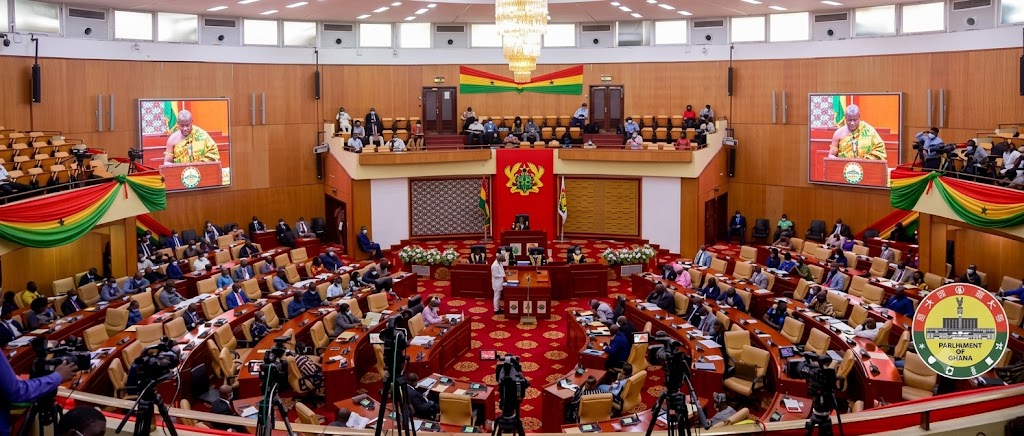
The landmark legislation, championed by the Minister for the Interior, Mohammed-Mubarak Muntaka, represents a significant reform of Ghana’s criminal justice system by promoting restorative justice, offender rehabilitation, and the decongestion of the country’s prisons.
Key Provisions of the Community Service Bill
The new law grants courts the authority to sentence eligible offenders to supervised community service rather than imprisonment, particularly for minor, non-violent offences.
Among the major reforms introduced by the legislation are:
Judges Granted Greater Sentencing Flexibility
Under the new legal framework, judges now have the discretion to replace custodial sentences with community service orders where appropriate. The measure is intended to ensure that first-time and low-risk offenders can serve their punishment while remaining integrated within their communities.
National Community Service Secretariat Established
The legislation creates a National Community Service Secretariat, which will oversee the implementation of the program nationwide. The secretariat will be responsible for supervising offenders, monitoring compliance with court orders, and coordinating community service activities across the country.
Community-Based Public Service
Individuals sentenced under the new law will undertake unpaid, supervised work that benefits the public. Assigned duties are expected to include environmental sanitation, community clean-up exercises, municipal maintenance, and other public service initiatives that contribute to local development.
Limits on Community Service Orders
The law also provides safeguards by ensuring that the duration of a community service sentence cannot exceed the maximum prison term prescribed for the offence committed.
Expected Benefits
The Community Service Bill is expected to deliver wide-ranging benefits for Ghana’s justice system and public finances.
One of its primary objectives is to ease overcrowding within correctional facilities by diverting eligible offenders away from prison. This is expected to reduce pressure on prison infrastructure while allowing correctional authorities to focus resources on higher-risk inmates.
The government also anticipates significant savings in public expenditure by lowering the costs associated with inmate accommodation, feeding, healthcare, and prison maintenance.
In addition, the reform aims to improve rehabilitation outcomes by enabling offenders to remain connected to their families and communities while serving their sentences. Policymakers believe this approach will reduce repeat offending and encourage successful reintegration into society.
Legislative Journey
The policy traces its origins to a collaborative initiative launched in 2014 with support from UNICEF to explore alternatives to custodial sentencing.
The Community Service Bill was formally introduced in Parliament on March 4, 2026, before undergoing detailed scrutiny by the Parliamentary Committee on Defense and Interior.
Following debate and consideration, lawmakers approved the bill during its final reading on July 8, 2026, paving the way for the implementation of Ghana’s first structured community service sentencing regime.
Implementation Plans
The Ministry of Justice and the Judicial Service are now working with civil society organizations, including the POS Foundation, as well as local government authorities, to establish the operational systems required for the rollout of the program.
These preparations include developing monitoring mechanisms, supervising community service placements, and ensuring that institutions are ready before courts begin issuing community service orders under the new law.
Once fully implemented, the Community Service Bill is expected to mark a major shift in Ghana’s criminal justice system by prioritizing rehabilitation, accountability, and community development over incarceration for eligible offenders.
Source: Omanghana