Omanghana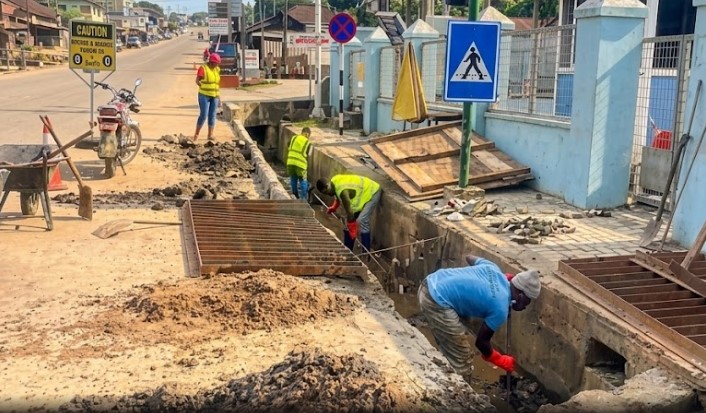
President John Dramani Mahama has declared Friday, July 10, and Saturday, July 11, 2026, as National General Cleaning Days in seven regions severely affected by recent flooding.
The directive, issued through an official statement signed by Government Communications Minister Felix Kwakye Ofosu, is aimed at supporting post-flood recovery efforts, improving sanitation, and reducing the risk of further disasters.
The two-day exercise will be carried out under the supervision of the Post-Flood Mitigation Committee and will operate under the theme: “Our Actions, Our Future: Cleaning Ghana after the floods.”
Campaign Targets Flood Recovery and Sanitation Challenges
The National Cleaning Days initiative is designed as a major intervention following the devastating floods that affected several communities, leaving thousands of households displaced.
The government said the exercise will focus on restoring environmental safety, clearing flood-related waste, and improving drainage systems in affected areas.
Clearing Drains and Preventing Future Flooding
A key objective of the campaign is to remove accumulated waste, de-silt blocked drains, and clear waterways that contributed to flooding in many communities.
Authorities believe the exercise will help improve water flow and reduce the likelihood of repeated flooding, especially as the country prepares for periods of heavy rainfall.
Public Health Protection After Floods
Beyond flood prevention, the initiative will also focus on improving sanitation conditions in affected communities.
The government said clearing waste and restoring public hygiene is necessary to reduce the risk of disease outbreaks linked to flood disasters.
The June 29 floods displaced more than 7,000 households, creating urgent sanitation concerns in several affected areas.
Two-Phase Implementation Plan
The government has outlined a structured approach to ensure effective implementation of the clean-up exercise.
Phase One: Government-Led Operations — Friday, July 10
The first phase will focus on major cleanup and infrastructure recovery activities led by state institutions.
Security agencies, waste management companies, and Metropolitan, Municipal, and District Assemblies (MMDAs) will coordinate activities including:
- Major drainage de-silting operations
- Removal of accumulated waste
- Clearing of blocked waterways
- Restoration of affected public spaces
Phase Two: Community Mobilization — Saturday, July 11
The second phase will involve nationwide civic participation in the affected regions.
Residents are expected to take part in cleaning their neighborhoods, residential areas, markets, and other community spaces as part of the broader recovery effort.
Government Officials Ordered to Lead From the Front
In a move aimed at ensuring accountability, President Mahama has directed government officials to actively participate in the exercise rather than remain in their offices.
Ministers of State, Members of Parliament, Chief Executive Officers of public institutions, and Metropolitan, Municipal, and District Chief Executives (MMDCEs) have been instructed to join residents on the ground and support cleanup activities.
The directive is intended to demonstrate leadership involvement and encourage stronger public participation in restoring affected communities.
Post-Flood Recovery Efforts Continue
The National General Cleaning Days form part of broader government measures to address the impact of the floods and strengthen disaster preparedness.
Authorities have urged residents, businesses, and institutions in affected regions to support the initiative as communities work toward recovery and improved environmental sanitation.
Source: Omanghana