Omanghana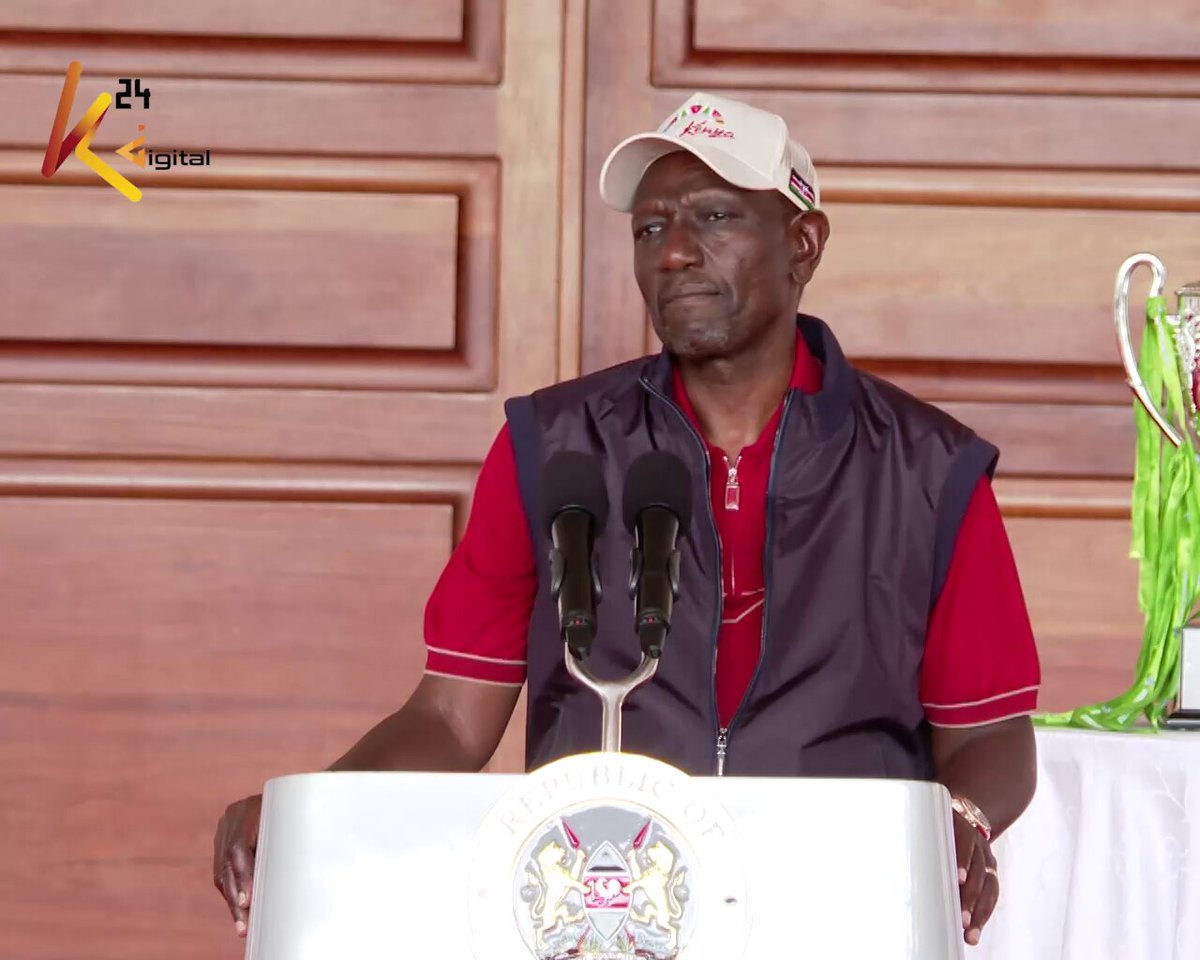
Kenyan President William Ruto has unveiled an ambitious nationwide sports infrastructure program aimed at completing 28 new stadiums within the next year, positioning the country for the 2027 Africa Cup of Nations (AFCON) while transforming sports facilities into long-term economic and community development hubs.
Speaking during a state reception honoring Sport Pesa Premier League champions Gor Mahia FC, President Ruto outlined a comprehensive vision that extends beyond football, describing the stadium projects as a key pillar of Kenya’s broader youth empowerment and economic development strategy.
Expanding Sports Infrastructure Across the Country
At the center of the government’s plan is the goal of decentralizing sports development by bringing modern facilities to regions that have historically received limited investment in sporting infrastructure.
According to the President, the initiative seeks to provide young athletes from every part of Kenya with access to quality facilities capable of nurturing talent and creating pathways to professional sports careers.
Several projects have already been completed. Among them is the 10,000-seat Ahmed Khalif Wajir Stadium, which was delivered in just over three months. Construction has also been completed at Masinde Muliro Stadium in Bungoma, adding another major venue to the country’s growing sports network.
Meanwhile, new stadium projects are actively under construction or nearing completion in Garissa, Mandera, Kitui, Ol Kalou, and Kakamega.
The national government has also intervened in several stalled county-led projects by assuming direct responsibility for financing and implementation. These include the Mombasa Stadium project and a new 10,000-seat stadium in Kilifi, both of which are expected to benefit from accelerated construction timelines under national oversight.
AFCON 2027 Driving Infrastructure Development
A major catalyst behind the aggressive construction schedule is Kenya’s role as a co-host of the 2027 Africa Cup of Nations alongside Uganda and Tanzania.
Leading the preparations is the Talanta Sports City Stadium, also known as the Raila Odinga International Stadium, currently under development in Nairobi. The planned 60,000-seat football-specific arena is expected to become one of East Africa’s most modern sporting venues.
Valued at approximately $350 million, the stadium features a distinctive shield-and-spear-inspired design and is targeting completion by late 2026, well ahead of the continental tournament.
In addition to new facilities, Kenya is modernizing existing venues to meet Confederation of African Football (CAF) standards. Renovations at the Moi International Sports Centre in Kasarani and Nyayo National Stadium are progressing toward completion, with both facilities expected to play critical roles as competition and training venues during AFCON 2027.
President Ruto emphasized that the government’s vision extends beyond constructing traditional stadiums. Instead, the new facilities are being designed as multi-purpose commercial ecosystems capable of generating economic activity throughout the year.
Under the standardized development model, each stadium will incorporate amenities such as ICT innovation hubs, gymnasiums, conference facilities, restaurants, retail outlets, and other revenue-generating spaces.
The approach is intended to attract private-sector investment, create employment opportunities, and ensure the facilities remain financially sustainable long after sporting events conclude.
By transforming stadiums into community and business centers operating seven days a week, the government hopes to maximize the economic impact of its infrastructure investments while creating new opportunities for local entrepreneurs and businesses.
The stadium expansion program represents one of the most ambitious sports infrastructure initiatives in Kenya’s history. Beyond preparing for AFCON 2027, the government views the projects as a long-term investment in talent development, economic growth, and national pride.
If successfully completed on schedule, the network of 28 modern stadiums could significantly reshape Kenya’s sporting landscape, providing world-class facilities across the country while strengthening the nation’s position as a major destination for international sporting events.
Source: Omanghana