Omanghana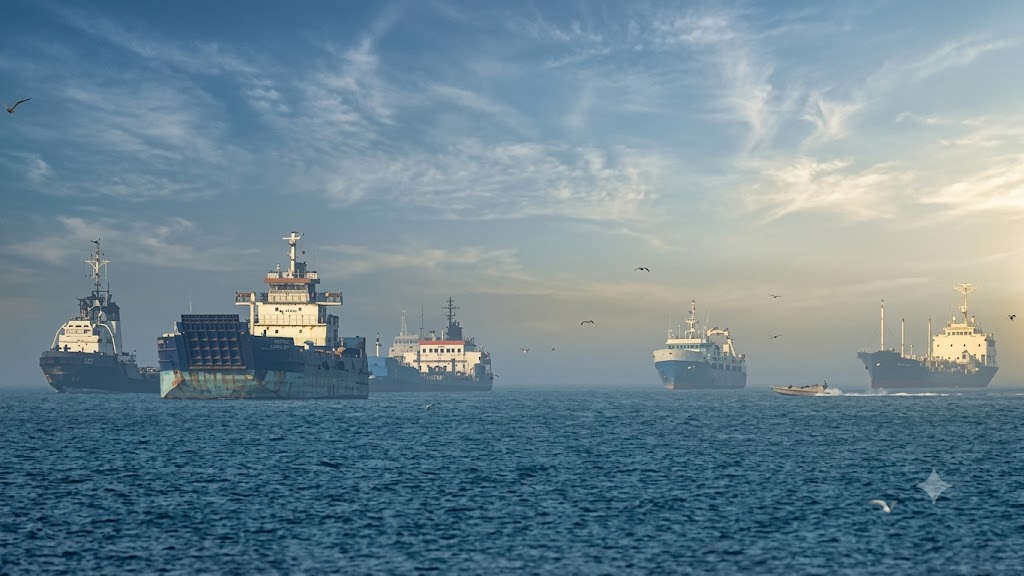
A total of 78 vessels, including 22 oil and chemical tankers, successfully transited the Strait of Hormuz on June 24, 2026, marking a record single-day flow of maritime traffic and signaling a significant rebound in global shipping activity.
According to vessel tracking data from S&P Global Commodity Insights, the milestone represents the busiest day recorded at the strategic energy chokepoint since recent regional military tensions disrupted international supply chains.
The recovery in traffic has been largely attributed to the introduction of a United Nations-backed maritime safety corridor running along Oman’s coastline, which has improved navigation confidence for commercial shipping operators.
Breakdown of Vessel Traffic
The 78 ships that passed through the strait on the record day carried a wide range of cargo, reflecting the importance of the route to global energy and trade flows.
Energy-related shipments included 10 crude oil tankers—five of which were Very Large Crude Carriers traveling outbound—alongside 12 refined product tankers, four liquefied petroleum gas (LPG) vessels, and two liquefied natural gas (LNG) carriers.
Non-energy cargo traffic was equally significant, with 21 bulk carriers, 12 general cargo ships, and seven container vessels making successful crossings.
More than 40 percent of the vessels, or 33 ships in total, reportedly used the newly established southern safety corridor along Oman’s coast to exit the Persian Gulf.
Rising Volumes Signal Trade Recovery
Overall traffic through the Strait of Hormuz for June has now reached 551 vessel transits, surpassing the previous post-conflict peak of 438 crossings recorded in April.
The surge indicates a gradual restoration of global shipping confidence in one of the world’s most critical maritime chokepoints, which handles a significant share of global petroleum and energy exports.
Implications for African Economies
The stabilization of shipping routes through the Strait of Hormuz carries important implications for import-dependent African economies, many of which rely heavily on refined petroleum products sourced from the Gulf region.
Improved maritime security is expected to help ease inflationary pressures by reducing the risk of sudden supply disruptions and fuel price spikes.
It also supports the clearing of shipping backlogs, as vessels previously delayed within the Gulf region resume outbound deliveries to international markets.
For central banks and policymakers, more stable global oil flows provide greater predictability in foreign exchange management and energy pricing.
At the same time, evolving trade dynamics may benefit emerging African refining hubs such as Nigeria’s Dangote Refinery, which continues to expand fuel distribution capacity across the continent.
Security Concerns Remain
Despite the strong rebound in traffic, maritime analysts caution that activity levels remain approximately 57 percent of pre-conflict averages, indicating that full recovery has yet to be achieved.
Security risks persist in the region, with reports noting continued warnings from Iran’s Revolutionary Guard Navy regarding the use of the Omani coastal corridor, which it has described as “unacceptable and dangerous.” Iranian authorities maintain that vessels should operate strictly within routes designated in their territorial waters.
Additionally, tracking data indicates that at least eight vessels crossed the strait with their automated identification systems switched off, a practice known as “dark activity,” which raises ongoing concerns about transparency and maritime security.
While the latest figures point to improving stability, analysts stress that sustained cooperation and enforcement will be essential to maintaining safe and predictable global shipping lanes.
Source: Omanghana