Omanghana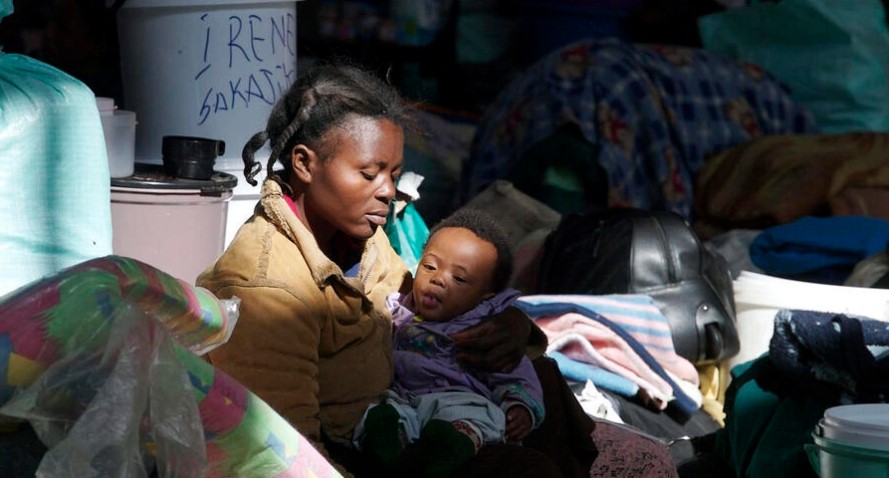
A growing wave of anti-immigrant unrest across South Africa has triggered emergency evacuations and repatriation efforts by several African governments, as hundreds of foreign nationals flee violence, intimidation, and mounting insecurity in communities across the country.
The crisis, which escalated significantly during May and June 2026, has exposed deep regional tensions over migration, border enforcement, and social stability, prompting calls for intervention at both continental and diplomatic levels.
Rising Tensions Fuel Nationwide Unrest
At the center of the unrest are organized anti-immigration campaigns and vigilante-style movements that have intensified pressure on foreign nationals living and working in South Africa.
Groups including Operation Dudula and March and March have staged demonstrations and community mobilization campaigns demanding the removal of undocumented migrants and foreign workers. Activists associated with the movements have reportedly pushed for a June 30 deadline for the departure of foreign nationals from certain communities, further heightening tensions.
The situation has generated widespread fear among migrant populations, many of whom report experiencing harassment, threats, workplace discrimination, unlawful evictions, and attacks on their homes and businesses.
Migrants Forced to Flee Homes and Communities
In several areas, the unrest has moved beyond protests and into direct confrontations.
One of the most widely reported incidents occurred in the town of Kleinmond, where groups of migrants were forced to abandon their homes after properties were allegedly targeted and ransacked by hostile crowds.
According to local accounts, some displaced foreign workers fled into nearby mountainous areas to avoid violence before eventually seeking shelter in community halls and temporary safe spaces established by local organizations.
Human rights advocates warn that such incidents have created an atmosphere of fear among migrant communities, many of whom now face uncertainty over their safety and future in the country.
African Governments Launch Emergency Repatriation Operations
As security concerns intensified, several African governments initiated emergency evacuation programs to assist citizens seeking to leave South Africa.
Ghana Leads Large-Scale Airlift Effort
The Ghanaian government has mounted one of the largest repatriation operations in response to the crisis.
Authorities organized a series of chartered evacuation flights departing from O.R. Tambo International Airport in Johannesburg. An initial group of approximately 300 Ghanaian nationals arrived in Accra on May 27, followed by a second flight carrying 345 returnees on June 6.
Officials indicated that an additional flight scheduled for June 7 would help complete the return of more than 800 registered Ghanaian citizens who requested assistance.
Nigeria and Malawi Activate Return Programs
Nigeria has also reported a significant number of citizens seeking government support to leave South Africa, with at least 130 Nigerians reportedly requesting immediate evacuation assistance.
Malawian authorities have similarly activated state-supported repatriation measures for citizens affected by the unrest.
Mozambique Raises Alarm After Fatal Clashes
Regional concerns intensified further after Mozambican officials confirmed that five of their citizens were killed during recent xenophobic violence.
The deaths prompted urgent diplomatic engagement between Mozambican President Daniel Chapo and South African President Cyril Ramaphosa, as both governments sought ways to de-escalate tensions and prevent further loss of life.
South African Government Condemns Violence
The South African government has attempted to strike a balance between addressing public concerns over migration and condemning acts of violence against foreign nationals.
Cabinet officials have acknowledged frustrations among some citizens regarding undocumented migration and economic pressures but have stressed that violence, intimidation, and vigilantism cannot be tolerated.
Authorities have deployed law enforcement agencies to investigate incidents of unrest and identify individuals responsible for organizing or carrying out attacks.
Government leaders have repeatedly urged communities to resolve concerns through legal and institutional channels rather than through confrontation.
Human Rights Groups Warn of Political Exploitation
Human rights organizations and migration advocates argue that the crisis reflects deeper structural issues surrounding unemployment, inequality, and social tensions.
Some monitoring groups have expressed concern that anti-migrant rhetoric has increasingly become part of local political discourse, particularly as municipal elections approach later in the year.
Critics contend that inflammatory statements by some political figures risk fueling hostility toward foreign nationals and worsening an already fragile security environment.
Calls for African Union Intervention
The unrest has also taken on a broader geopolitical dimension, with several affected countries reportedly seeking greater involvement from the African Union.
Diplomatic representatives from impacted nations have called for stronger continental action to protect migrants and uphold regional agreements promoting the free movement and security of African citizens.
As evacuations continue and governments monitor developments closely, the crisis has become one of the most significant migration-related challenges facing Southern Africa in recent years, raising difficult questions about migration management, regional solidarity, and the protection of vulnerable communities across the continent.
Source: Omanghana