Omanghana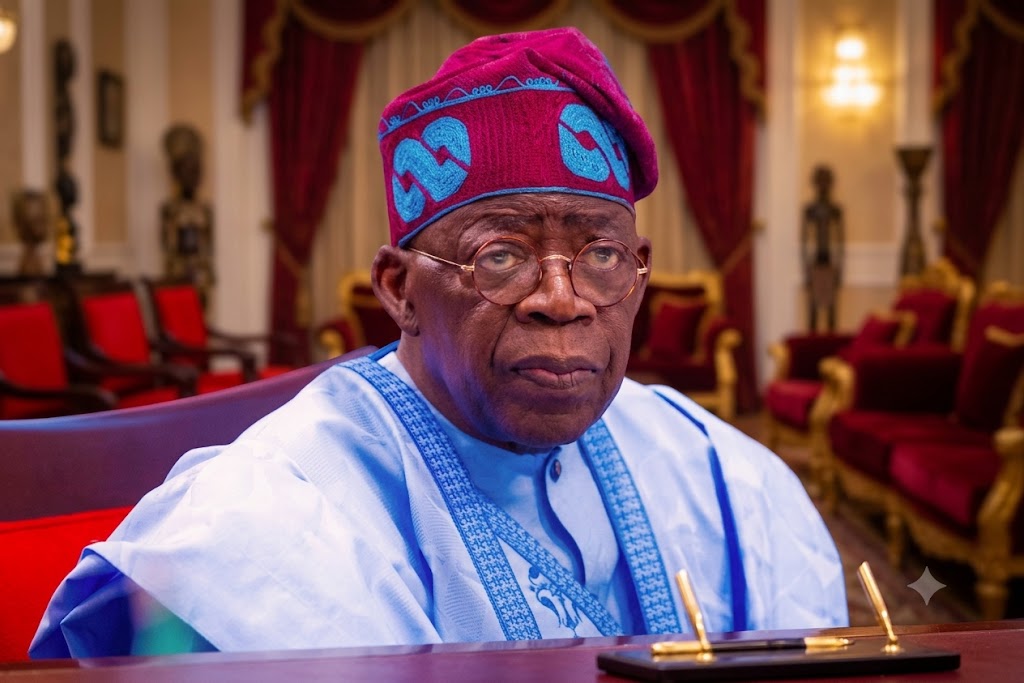
Two religious controversies have placed renewed pressure on President Bola Tinubu’s expected 2027 reelection campaign, reviving debate over the All Progressives Congress’ decision to field a Muslim-Muslim presidential ticket.
The dispute follows a tense closed-door meeting between Tinubu and representatives of the Catholic Bishops’ Conference of Nigeria at the Presidential Villa. Subsequent public comments about the meeting prompted criticism from the Presidency and drew opposition politicians and religious groups into the controversy.
During the visit, CBCN President Archbishop Matthew Man-Oso Ndagoso presented an address titled “Partners in Building a Just, Peaceful and Prosperous Nigeria.”
The bishops reportedly raised concerns about Nigeria’s economic condition, describing the country as “bleeding” under the weight of severe hardship. Tinubu defended his administration’s policies, maintaining that his economic reforms were producing results despite the difficulties facing citizens.
The Catholic leaders also conveyed what they described as the legitimate concerns of Christians over the APC’s Muslim-Muslim presidential ticket. Tinubu and Vice President Kashim Shettima are both Muslims, departing from Nigeria’s long-standing practice of balancing the country’s two largest religions on major political tickets.
The bishops further warned about what they viewed as a shrinking democratic space and the risk of Nigeria moving toward a one-party system ahead of the 2027 general election.
The controversy intensified after Cardinal John Onaiyekan discussed details of the private meeting during a television interview. Temitope Ajayi, Senior Special Assistant to the President on Media and Publicity, condemned the disclosure as an “abuse of clerical privilege.”
Opposition figures, including Peter Obi and Rabiu Kwankwaso, defended the bishops and accused the Tinubu administration of showing intolerance toward criticism. They argued that religious leaders should not be attacked for raising concerns about national governance and the welfare of citizens.
A separate controversy surrounding a Senate-approved bill restricting religious preaching on public buses has added to the tension. The Christian Association of Nigeria and the Pentecostal Fellowship of Nigeria have urged Tinubu not to sign the legislation into law.
The two Christian organizations argue that the measure would violate constitutionally protected religious freedoms. Supporters of the proposed restriction, however, may contend that it is intended to protect passengers from unsolicited religious activity and maintain order on public transportation.
Pro-Tinubu groups have rejected suggestions that Christians are being marginalized under the current administration. The National Council of Muslim Youth Organizations described the criticism as “sheer hypocrisy,” claiming Christians occupy approximately 62% of key political appointments.
Minister of Works David Umahi has also encouraged Nigerians to assess the government by its performance instead of the religious identities of its leaders. He argued that faith should not determine judgments about governance outcomes.
Reports have suggested that some international stakeholders, including interests linked to the United States, are encouraging Tinubu to consider a religiously balanced presidential ticket in 2027. No formal confirmation of such advice has been publicly issued.
As preparations for the next general election intensify, the renewed controversy presents Tinubu and the APC with a sensitive political calculation. Retaining the Muslim-Muslim ticket could reassure existing supporters, but it may also deepen concerns among Christian voters and make religious representation a central issue in the 2027 campaign.
Source: Omanghana