Omanghana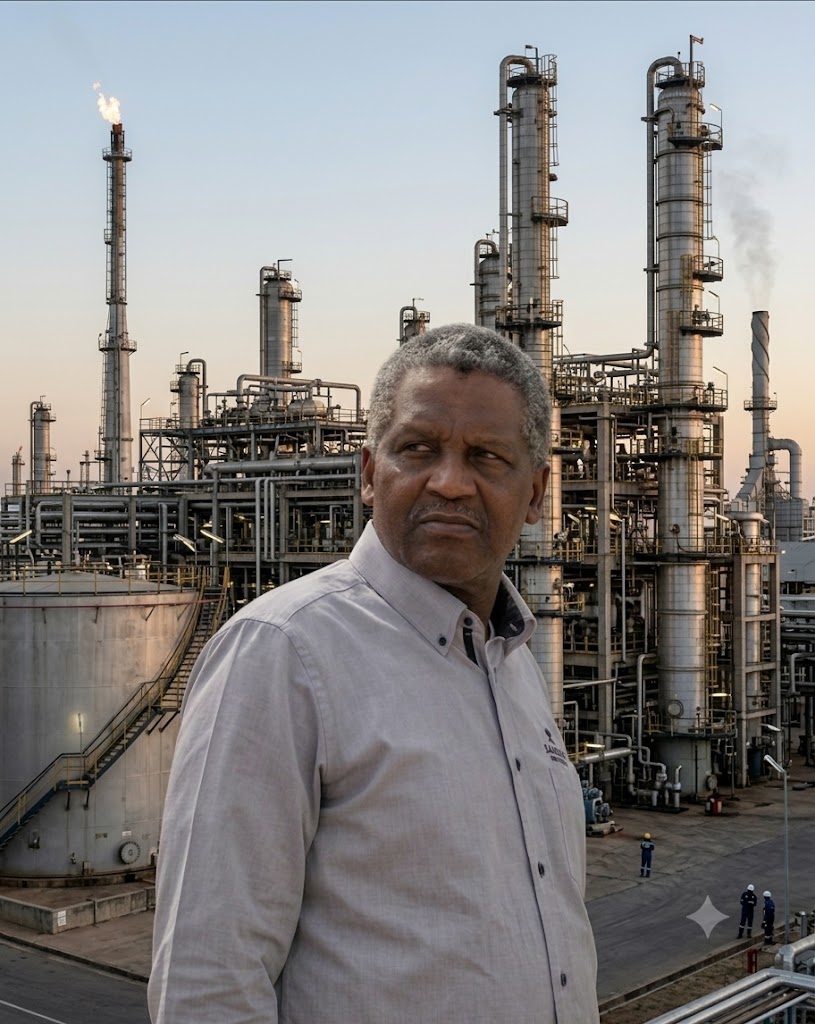
Major African oil producers Nigeria, Algeria, and Angola are closely monitoring Russia’s unprecedented decision to import refined fuel from India after a series of Ukrainian drone attacks disrupted the country’s domestic refining capacity.
The development marks a rare shift in global energy markets, with one of the world’s largest crude oil exporters turning to foreign suppliers to secure fuel for its own domestic needs. The situation has raised questions about how African nations with expanding refining capabilities could benefit from changing patterns in the global petroleum trade.
Russia Forced to Look Abroad for Fuel Supplies
Russia’s decision to import gasoline follows repeated attacks on key energy facilities that have affected refinery operations across the country.
Refinery Capacity Disrupted
Ukrainian drone strikes targeting Russian oil infrastructure have reportedly reduced a significant portion of the country’s refining capacity, with estimates suggesting that between 15% and 25% of Russia’s refining capacity has been temporarily affected.
The disruptions have contributed to fuel shortages in several regions, creating pressure on Moscow to find alternative sources of refined petroleum products.
Domestic Fuel Shortages Escalate
The reduction in refining output has reportedly resulted in fuel rationing, longer queues at filling stations, and rising gasoline prices in parts of Russia.
To stabilize domestic supply, Moscow has turned to international partners, including India, for additional fuel shipments.
India Becomes Key Supplier in Unusual Energy Trade
Russia has already begun importing gasoline from India, with reports indicating that at least 60,000 metric tonnes have been shipped, while plans are in place to secure up to 400,000 tonnes per month from various suppliers.
The arrangement has created an unusual trade cycle:
- India purchases discounted crude oil from Russia.
- Indian refineries process the crude into finished petroleum products.
- Refined fuel is then exported back to Russia.
The development highlights the flexibility of global energy markets and how geopolitical pressures are reshaping traditional supply chains.
Potential Opportunities for African Oil Producers
The situation has drawn attention from Africa’s major oil-producing nations, particularly those investing heavily in refining capacity.
Nigeria: Dangote Refinery Creates New Possibilities
Nigeria’s expanding downstream sector, led by the Dangote Refinery, has positioned the country as a potential major supplier of refined petroleum products to international markets.
With one of the world’s largest single-train refineries, Nigeria could theoretically emerge as an alternative source of refined fuel if market conditions and international regulations allow.
However, any direct supply relationship with Russia would require careful consideration due to geopolitical sensitivities and possible sanctions risks.
Algeria: Existing Energy Partnership Provides Advantage
Algeria’s established energy relationship with Russia could provide a foundation for future cooperation.
With significant refining infrastructure, including the Skikda refinery, Algeria is being watched as a potential participant in evolving fuel supply networks.
The two countries already maintain strong economic ties, with bilateral trade estimated at more than $43 billion annually, creating opportunities for deeper energy collaboration.
Angola: Expanding Refining Capacity Gains Attention
Angola is also emerging as a country of interest due to investments in its downstream sector.
Facilities such as the Luanda and Cabinda refineries could strengthen Angola’s ability to supply refined petroleum products domestically and internationally as global fuel markets continue to adjust.
Challenges Facing African Suppliers
Despite the potential opportunities, experts note that several major obstacles could limit Africa’s ability to supply fuel to Russia.
Sanctions and Geopolitical Risks
Any direct fuel exports to Russia would likely attract significant international attention.
African companies involved in such transactions could face scrutiny or possible secondary sanctions from Western governments, creating financial and diplomatic risks.
Logistics and Cost Challenges
Shipping fuel from Africa to Russia would also present practical difficulties.
Compared with established India-Russia trade routes, African supply chains would involve longer distances, higher transportation costs, and more complicated payment arrangements.
A Changing Global Energy Landscape
Russia’s reliance on imported fuel represents a significant development in global energy markets and demonstrates how geopolitical conflicts can reshape traditional energy relationships.
For African oil producers, the situation highlights the importance of building strong refining capacity and developing flexible export strategies.
As countries such as Nigeria, Algeria, and Angola continue expanding their downstream industries, they may find new opportunities in a global market where fuel security has become increasingly important.
Source: Omanghana