Omanghana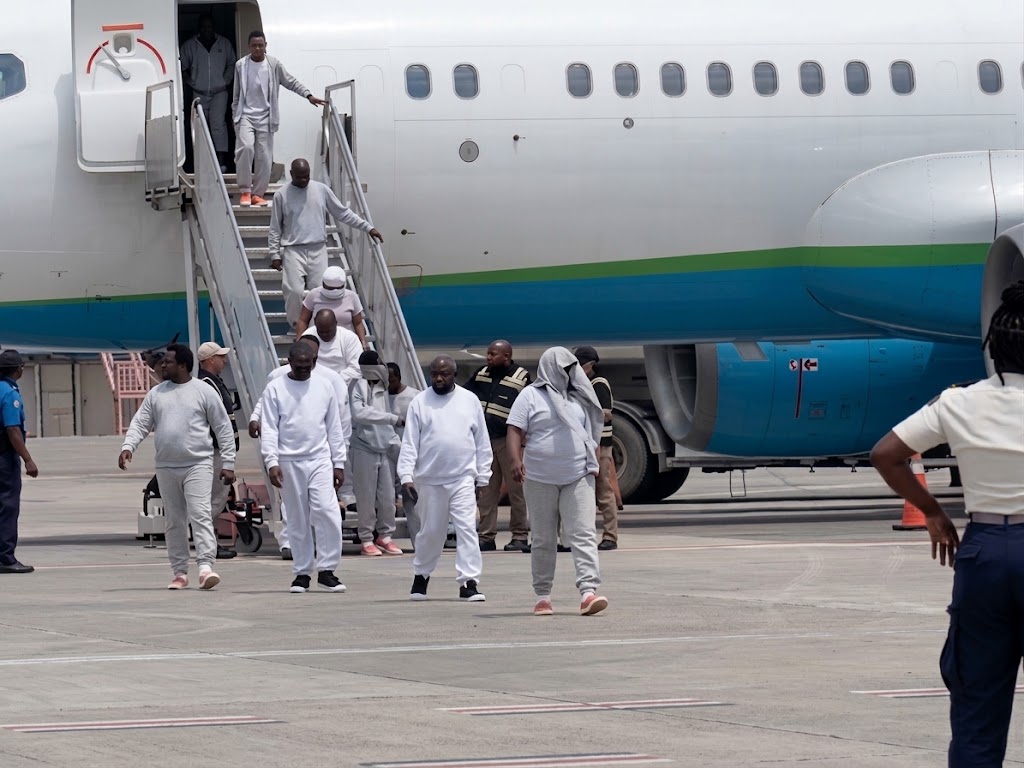
More than 50 people deported from the United States have arrived in Cap-Haïtien on the second removal flight to Haiti since Temporary Protected Status ended for approximately 350,000 Haitians.
The flight landed at Cap-Haïtien International Airport in northern Haiti instead of the main airport in Port-au-Prince, which is considered too dangerous because of escalating gang violence.
According to Haiti’s National Office of Migration, two young children were among those aboard the flight.
Flights Diverted from Port-au-Prince
US deportation flights are using Cap-Haïtien because armed groups control large parts of the capital and important transportation routes.
Toussaint Louverture International Airport has been repeatedly affected by nearby gang activity, while restrictions on US commercial flights to Port-au-Prince remain in place because of the security threat.
Many of the new arrivals covered their faces as they left the aircraft, reportedly fearing that their identities could expose them to kidnapping, extortion or other forms of violence.
Boxer Deported to Country He Has Never Known
Among the deportees was professional boxer Jay Dabelus, who said he was born in the Bahamas and had never lived in Haiti.
Dabelus left the Bahamas as a child and spent more than 20 years in the United States before being detained and deported. After arriving in Cap-Haïtien, he said he had no relatives, resources or established support network in the country.
His case highlights concerns about people being removed to Haiti based on family or nationality connections despite having little or no personal experience of living there. Previous flights have reportedly included people born in countries such as Chile and the Dominican Republic who were sent to Haiti because they had Haitian parents.
Deportations Increase Following TPS Termination
The latest arrival follows a flight on August 20 that transported more than 160 people, including former TPS beneficiaries, prisoners who had completed their sentences and children.
That was the first deportation flight following the end of TPS, although US immigration authorities had conducted other removal flights to Haiti earlier in 2026.
TPS previously allowed eligible Haitians to live and work legally in the United States without being deported because of unsafe conditions in their home country.
The termination of the program has made hundreds of thousands of Haitians potentially vulnerable to removal unless they obtain another form of lawful immigration status.
Deportations Condemned Amid Humanitarian Crisis
Humanitarian groups have called for the flights to be suspended, arguing that Haiti cannot safely receive large numbers of deportees.
Armed groups control an estimated 70% of Port-au-Prince as well as territory beyond the capital. Gang violence has displaced nearly 1.5 million people nationwide, while killings, kidnappings, hunger and limited access to essential services continue to affect communities.
The Haitian Bridge Alliance has warned that many returnees lack housing, relatives and financial support, leaving them especially vulnerable after arrival.
The deportations have also drawn criticism because the US State Department continues to advise American citizens not to travel to Haiti due to crime, kidnapping, civil unrest and inadequate healthcare.
Source: Omanghana