Omanghana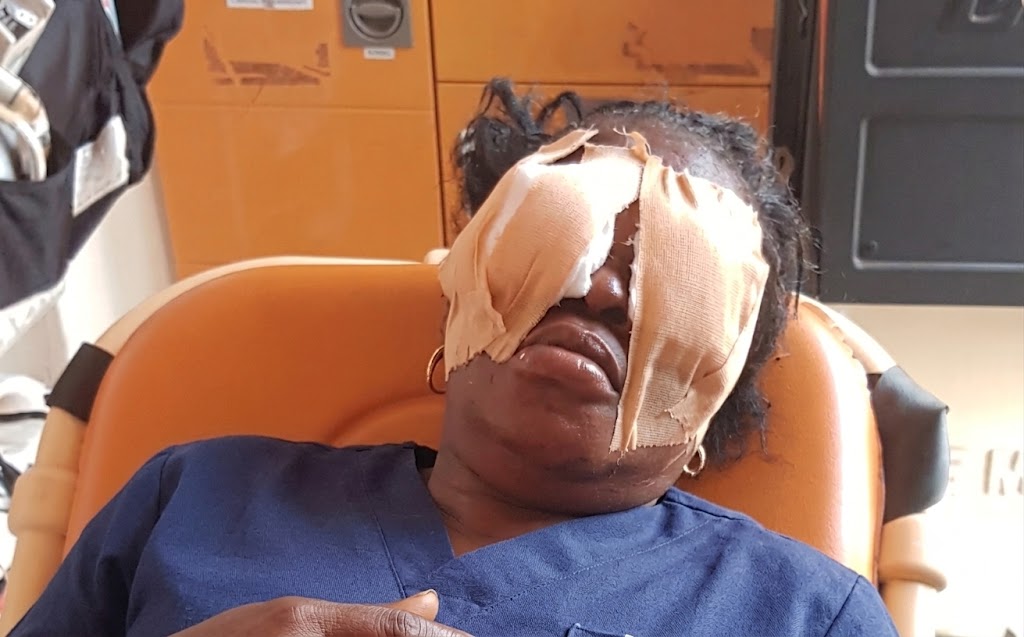
The Sefwi Bodi Circuit Court has sentenced 55-year-old William Gyamfi to five years’ imprisonment with hard labor after finding him guilty of a violent attack that left his sister with devastating eye injuries.
The judgment, delivered by His Honor James Mensah Donkor, concludes a case that drew widespread attention in Ghana’s Western North Region due to the severity of the assault and its lasting impact on the victim.
Violent Incident at Family Home
According to court proceedings, the incident occurred on January 17, 2026, during a dispute between Gyamfi, popularly known as “Kwasi Manso,” and his 50-year-old sister, Akua Agyeiwaa, at their family residence in Sefwi Abrokofe in the Juaboso District.
The disagreement reportedly escalated into violence when Gyamfi allegedly armed himself with a pair of scissors and attacked his sister, causing serious injuries to both of her eyes.
The victim sustained life-altering injuries and required urgent medical treatment following the assault.
Police Respond Swiftly
After the incident, neighbors and family members alerted authorities, prompting officers from the Juaboso District Police Command to intervene.
Police arrested the suspect shortly after the attack, while emergency responders transported the injured woman to a medical facility for treatment.
Court Delivers Verdict
Following multiple court hearings in which evidence was presented regarding the seriousness and lasting nature of the victim’s injuries, the Sefwi Bodi Circuit Court found William Gyamfi guilty and sentenced him to five years in prison with hard labor.
The ruling brings an end to months of legal proceedings surrounding the case.
Police Commend Judicial Process
Reacting to the judgment, Juaboso District Police Commander Superintendent Isaac Otsin praised the work of investigators and the court, describing the conviction as a demonstration of the justice system’s commitment to addressing acts of domestic violence and holding offenders accountable.
Public Reaction
The sentence has generated considerable discussion among members of the public, with some observers welcoming the conviction as a strong message against violent crime within families.
Others have questioned whether the five-year prison term adequately reflects the severity of the injuries sustained by the victim, prompting broader conversations about sentencing in cases involving permanent physical harm.
The case has also renewed calls for continued efforts to prevent domestic violence and ensure that victims receive timely protection and support.
Source: Omanghana