Omanghana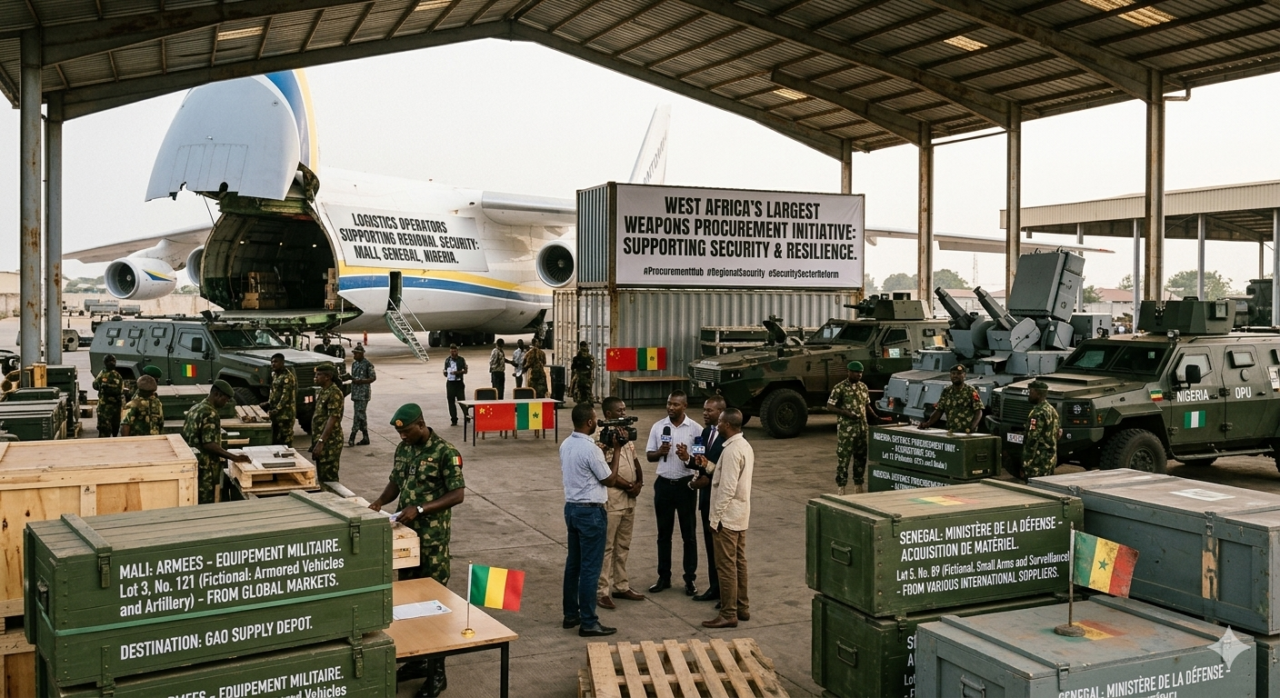
Nigeria, Senegal, and Mali have emerged as the largest arms importers in sub-Saharan Africa, according to a new report covering the 2021–2025 period by the Stockholm International Peace Research Institute.
The report shows that although overall arms imports across Africa declined by about 41 percent, imports into sub-Saharan Africa increased by 13 percent during the same period, reflecting rising security concerns across the region.
Together, Nigeria, Senegal, and Mali accounted for roughly 33 percent of all major arms imports into sub-Saharan Africa. Nigeria remains the largest importer, representing about 16 percent of the region’s total. The country has focused heavily on strengthening its air power as it continues to battle domestic insurgencies and armed militant groups.
Senegal follows with about 8.8 percent of regional imports, significantly increasing defense spending in response to growing instability in parts of West Africa and the Sahel region.
Mali accounts for about 8 percent of the region’s arms imports, largely driven by its ongoing fight against terrorism and efforts to reinforce national sovereignty amid persistent security challenges.
The report also highlights changes in the main suppliers of military equipment to the region. China has become the largest arms supplier to sub-Saharan Africa, accounting for about 22 percent of total exports and supplying equipment to 23 countries across the region.
Russia remains a key military partner for several African nations and provides around 80 percent of Mali’s military equipment. Türkiye has also emerged as a growing supplier, providing advanced weapons systems and drones to countries such as Nigeria and Mali.
Other countries continue to play important roles in the regional defense market. France remains the dominant supplier to Senegal, accounting for nearly 79 percent of its arms imports, while the United States recently approved a $346 million munitions sale to Nigeria.
According to the report, the increase in arms imports across sub-Saharan Africa is largely driven by ongoing insurgencies, including conflicts involving groups such as Boko Haram and militants linked to Islamic State. Regional instability and the need for stronger border security in the Sahel have also pushed governments to expand their military capabilities.
At the same time, some countries are exploring ways to build domestic defense industries. Mali, for example, has announced plans to establish its own armament assembly capability as part of broader efforts to strengthen national defense capacity.
Source: Omanghana