Omanghana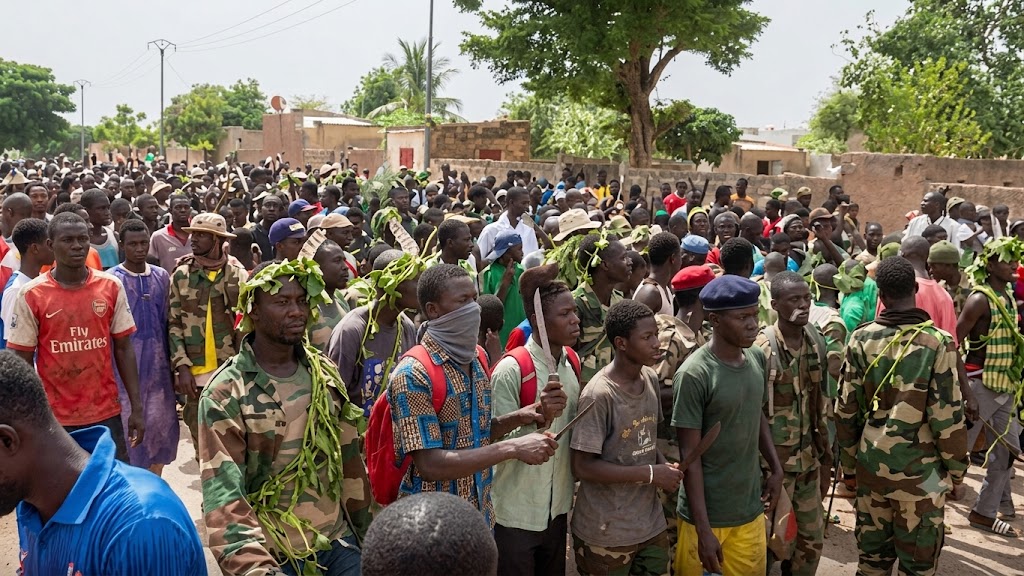
The Serer ethnic community in Senegal’s Ndiaye Ndiaye district of the Fatick region has celebrated the 723rd edition of the “Miss de Diobaye,” a centuries-old ancestral hunting ritual believed to usher in rainfall and safeguard the community.
Held annually, the ceremony remains one of the country’s oldest living cultural traditions, blending spirituality, ancestral beliefs, and communal identity despite the growing impact of climate change and environmental degradation.
Ancient Ritual Rooted in Ancestral Beliefs
The celebration begins on the eve of the hunt with a sacred divination ceremony known as Xoy, conducted by respected traditional seers called saltigues.
During the ritual, the saltigues are believed to receive spiritual guidance that reveals which specific animal must be hunted to bring abundant rainfall for the farming season. The identity of the chosen animal is considered highly sacred and is disclosed only to initiated Serer men who participate in the hunt.
According to Serer oral history, the tradition dates back more than seven centuries to a time of severe drought. A revered seer is said to have predicted that hunting a particular animal would bring immediate rainfall—a prophecy that, according to tradition, came true and gave birth to the annual ceremony.
Tradition Adapts to Modern Times
While the spiritual significance of the event remains unchanged, the way the hunt is conducted has evolved considerably over the years.
In earlier generations, hunters ventured barefoot into the forest without modern weapons, relying on traditional tracking skills. Today, participants commonly use motorcycles and firearms to search for and hunt their target.
The types of animals pursued have also changed dramatically. With larger wildlife disappearing from the region, hunters now typically encounter smaller species such as jackals, monkeys, birds, and lizards. Animals once common in the area—including antelopes and rhinos—have long vanished due to habitat loss and environmental changes.
Climate Change Reshapes the Ceremony
Environmental degradation has also altered the landscape surrounding the ritual.
Deforestation and increasing soil salinization have transformed the once-thriving Diobaye forest into a much drier environment, reducing biodiversity and making traditional hunting more challenging.
Climate change has also affected the timing of the ceremony. Historically held in May, the ritual is now conducted in mid-July as West Africa’s rainy season continues to arrive later and become increasingly unpredictable.
Rain Follows the Ceremony
In a development that reinforced the community’s long-held beliefs, western Senegal experienced its first major rainfall of the 2026 farming season the day after this year’s “Miss de Diobaye” ceremony.
For participants, the rainfall was seen as a powerful affirmation of a tradition that has endured for more than seven centuries, continuing to unite generations of the Serer people while preserving an important part of Senegal’s cultural heritage.
Source: Omanghana