Omanghana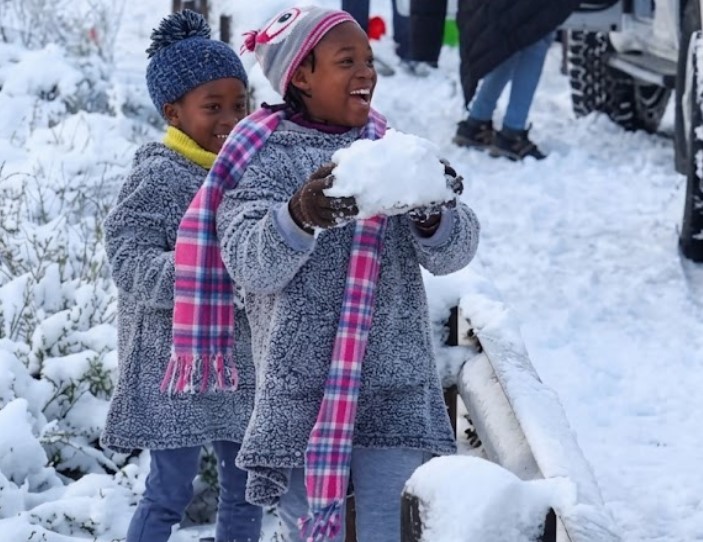
A powerful winter weather system swept across South Africa in mid-August 2026, bringing freezing temperatures, widespread snowfall and major transport disruptions to several provinces.
The cold front began moving across the country around August 9, accompanied by a steep upper-air trough, also known as a cut-off low. It travelled eastwards from the Western and Northern Cape, pushing temperatures close to or below freezing across large parts of the interior.
Although snowfall is not uncommon in South Africa’s mountainous regions during winter, the geographical reach and intensity of this event made it particularly significant.
The Eastern Cape experienced some of the heaviest snowfall, prompting the South African Weather Service to issue an Orange Level 6 warning for disruptive snow.
High-lying areas of KwaZulu-Natal and the Free State were also covered in snow, while several mountain peaks in the Western Cape turned white.
Gauteng, which rarely experiences significant winter precipitation, recorded freezing rain and scattered showers. Snow was also forecast over some of the province’s western high grounds.
The severe weather created dangerous conditions on major roads, where accumulated snow and ice made travelling difficult. Authorities closed several mountain passes and advised motorists to postpone non-essential journeys.
Parts of the N3 highway connecting Johannesburg and Durban were affected, particularly the section between Van Reenen and Howick in KwaZulu-Natal. The route is one of South Africa’s most important commercial corridors, carrying passengers and freight between the country’s economic center and its busiest port city.
Emergency services warned drivers about poor visibility, slippery roads and the possibility of becoming stranded in remote areas.
Strong winds accompanying the system also produced rough and dangerous seas along parts of the coastline. Residents, fishers and operators of small vessels were urged to exercise caution and monitor official weather updates.
The cold and persistent rain caused particular concern in informal settlements, where many homes lack adequate insulation and safe heating systems. Some residents relied on braziers and other open-flame devices for warmth, increasing the risk of fires and carbon monoxide poisoning.
Farmers were advised to shelter livestock and provide additional feed and water as freezing temperatures increased the danger of exposure, illness and animal losses.
Authorities urged the public to avoid unnecessary travel, dress warmly and provide support to children, older people and individuals without secure shelter.
The South African Weather Service continued monitoring the system as it moved eastwards, warning that snow, ice, strong winds and extremely low temperatures could persist even after the main cold front had passed.
Source: Omanghana