Omanghana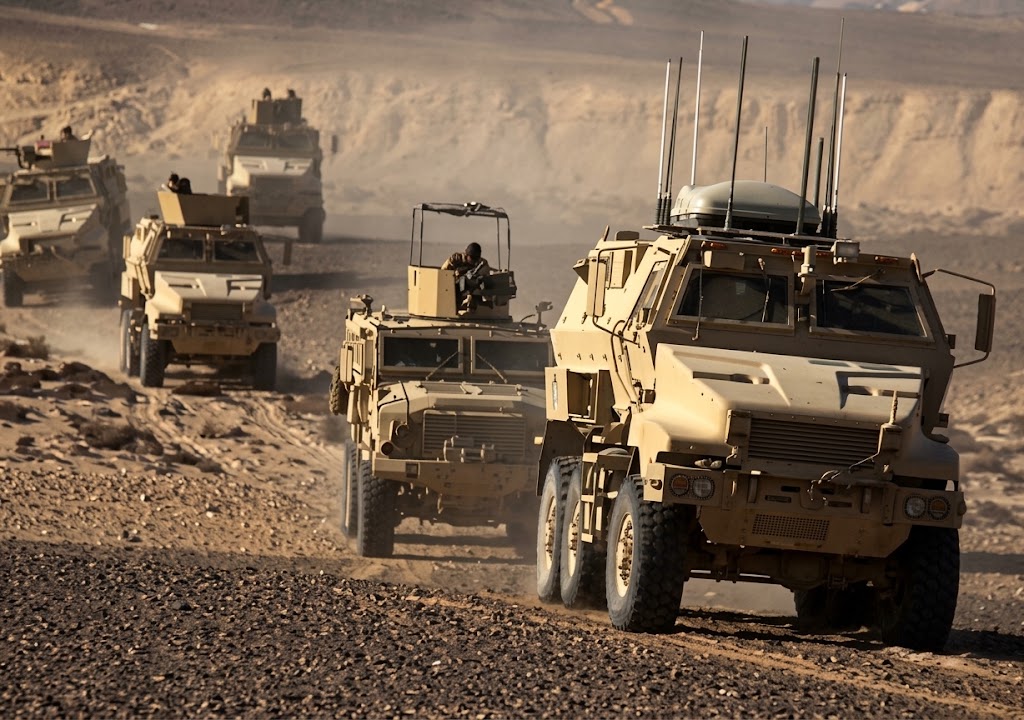
Egyptian President Abdel Fattah el-Sisi has disclosed that Israeli Prime Minister Benjamin Netanyahu questioned Egypt’s continued military expansion, while insisting that Cairo’s defense investments pose no threat to Israel.
Speaking at a Police Academy graduation ceremony in New Cairo on Thursday, October 15, Sisi recounted a conversation in which Netanyahu asked: “Why are you arming yourself?” and “Why are you buying weapons?”
According to Sisi, he responded by explaining that Egypt does not regard Israel’s military strength as a threat and expects the same understanding from its neighbor. He said strengthening Egypt’s armed forces was necessary to protect national security and preserve peace in an unstable region.
The remarks come against a backdrop of Israeli concerns about Egyptian military deployments in the Sinai Peninsula. In September 2025, Netanyahu reportedly sought American pressure on Egypt to reduce its military presence there, according to Axios, which cited US and Israeli officials.
Military deployments in Sinai are governed by security arrangements under the 1979 Egypt-Israel peace treaty, which followed the 1978 Camp David Accords. The treaty established designated security zones and restrictions on military forces and equipment. The Multinational Force and Observers monitors implementation and verifies additional activities agreed upon by both countries.
Sisi also addressed differences with Netanyahu over Palestinian statehood, saying he had repeatedly argued that an independent Palestinian state would improve regional stability and help Israel develop closer relations with its neighbors.
He said Netanyahu remained unconvinced by that argument, highlighting a continuing disagreement between the two leaders over the path to lasting peace.
Despite these differences, the Egyptian president reaffirmed Cairo’s commitment to its peace agreement with Israel. He rejected suggestions that Egypt harbors territorial ambitions against its neighbor, presenting the country’s military development as a means of protecting its borders and maintaining regional security.
Source: Omanghana