Omanghana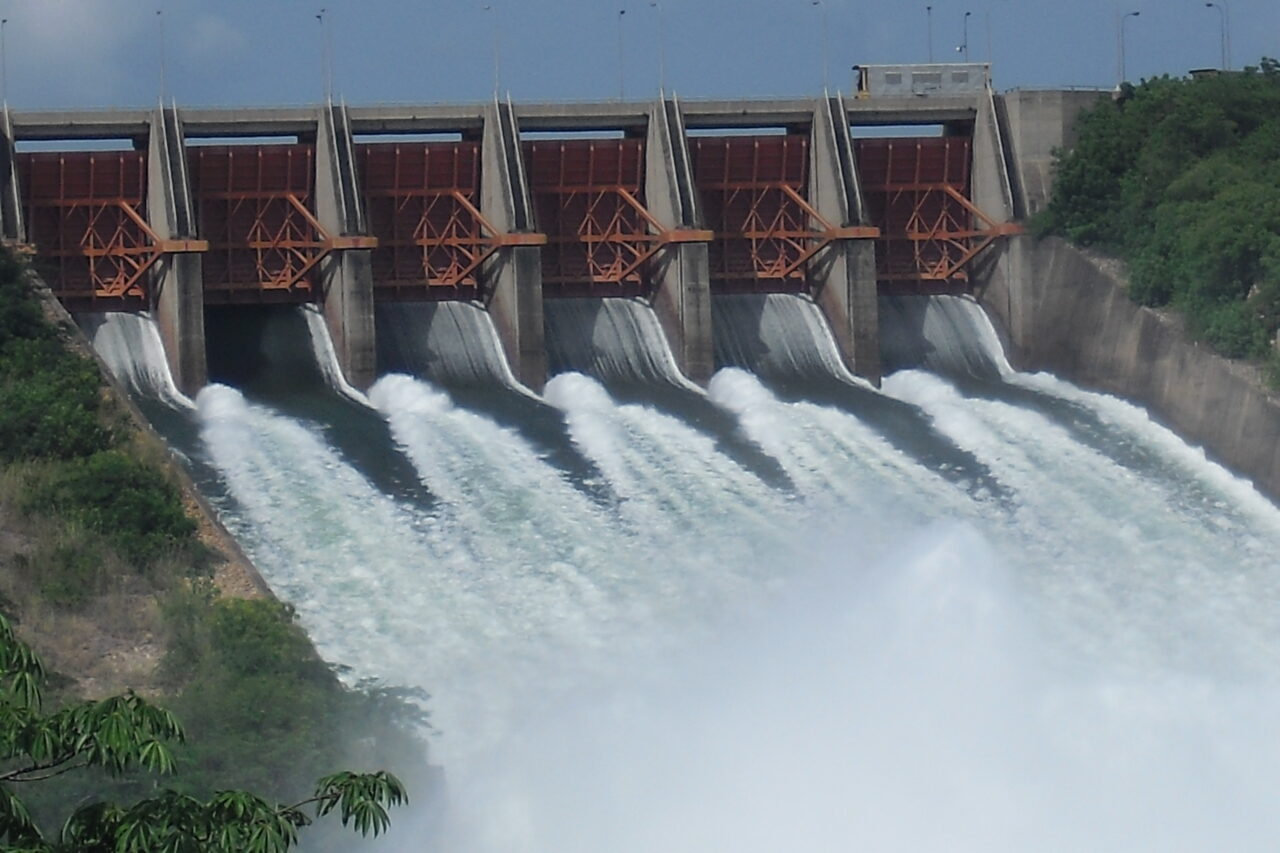
Burkina Faso’s national electricity utility, SONABEL, has alerted relevant authorities that the Bagré Dam reservoir has reached 93.31 per cent of its total capacity, raising the possibility of a controlled water spillage.
The warning has prompted preparations in both Burkina Faso and neighboring Ghana, where communities along the White Volta River frequently experience flooding when water is released from the dam during the rainy season.
According to the latest reservoir measurements, the water level has risen to 234.50 meters. This places it just 0.50 meters below the dam’s maximum normal operating level of 235.00 meters.
SONABEL has set 234.75 meters as the threshold for opening the spillways. The reservoir is therefore only 0.25 meters away from the point at which controlled discharge operations could begin.
The Water Resources Commission said the latest communication from SONABEL should be treated as a pre-spillage notification rather than confirmation that water has already been released.
Once the reservoir reaches 234.75 meters and spilling begins, authorities are expected to issue an immediate alert stating the precise date, time and expected volume of the discharge.
The warning gives disaster-management institutions and downstream communities a limited period to prepare for a possible rise in water levels.
Water released from the Bagré Dam flows into the White Volta River basin before travelling southwards into Ghana. When spillage coincides with heavy local rainfall, the combined volume can cause rivers and tributaries to overflow.
Communities in Ghana’s Upper East, North East, Northern and Upper West regions are among those potentially exposed to flooding. Low-lying settlements, farms, roads, bridges and irrigation facilities face the greatest risk.
Past spillages have displaced residents, destroyed crops, killed livestock and damaged homes and public infrastructure. Some communities have also been temporarily cut off when floodwaters submerged roads and bridges.
Farmers working within flood plains have consequently been advised to harvest mature crops where possible and remove equipment from areas likely to be inundated.
Livestock owners should relocate their animals to higher ground before water levels begin to rise. Waiting until flooding starts could make evacuation more dangerous and increase the risk of losses.
Fishermen and other river users have also been warned against entering fast-moving water or operating close to spillways and swollen tributaries.
Residents should not attempt to walk, swim or drive through flooded roads, culverts and submerged pathways. Even water that appears shallow can carry enough force to sweep away people, vehicles and animals.
Parents and guardians have been urged to prevent children from playing near riverbanks, drainage channels and floodwater.
The National Disaster Management Organization, the Water Resources Commission and affected metropolitan, municipal and district assemblies are expected to intensify public education and emergency planning.
Local authorities may also identify evacuation routes, temporary shelters and safe locations for households living close to the White Volta and its tributaries.
Residents in vulnerable areas have been encouraged to monitor official updates from SONABEL, NADMO, the Water Resources Commission and their local assemblies. Unverified social media messages should not be treated as official confirmation of a spillage.
Although a controlled discharge is intended to protect the structural safety of the dam, it can still create serious downstream consequences if communities are not adequately prepared.
The severity of any flooding will depend on the volume and duration of the release, rainfall levels in Burkina Faso and northern Ghana, soil saturation and the existing condition of downstream rivers.
Authorities are therefore urging communities not to wait for visible flooding before taking precautionary action.
With the reservoir approaching the 234.75-metre threshold, early evacuation of exposed farms and livestock, close monitoring of official alerts and strict avoidance of flooded crossings could help prevent deaths and reduce property losses.
Source: Omanghana