Omanghana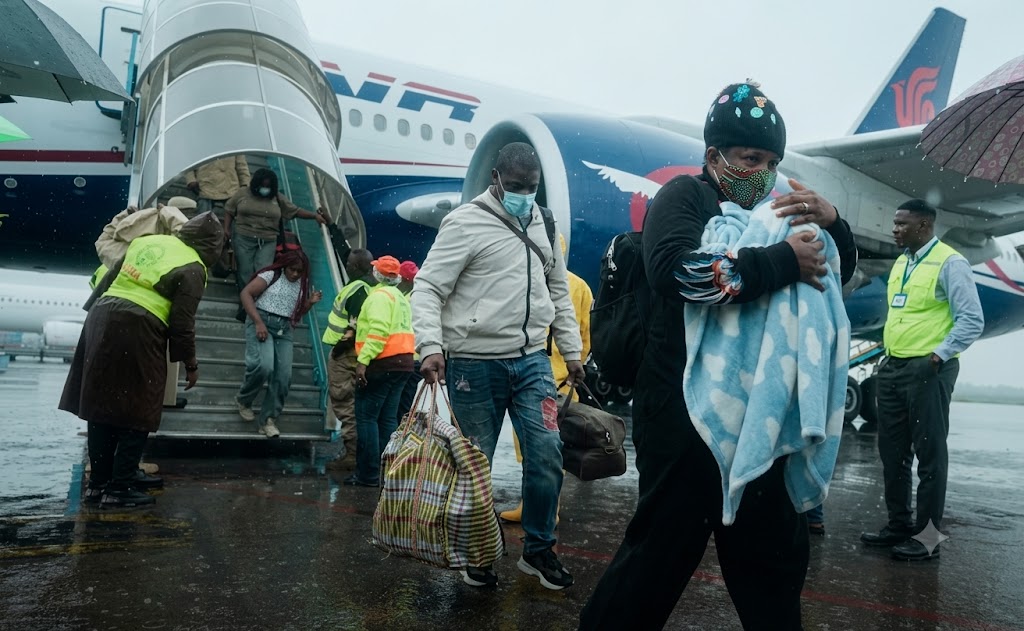
South Africa has rejected Nigeria’s request for financial compensation for Nigerian citizens who fled the country during recent anti-migrant protests, deepening diplomatic tensions between Africa’s two largest economies.
The dispute intensified on July 13, 2026, when Minister in the Presidency Khumbudzo Ntshavheni stated that the South African government would not compensate foreign nationals who abandoned homes, businesses, or other assets while leaving the country.
The disagreement follows weeks of heightened immigration enforcement and civilian-led anti-immigration demonstrations that have resulted in the processing of more than 53,000 foreign nationals for deportation or voluntary repatriation since June.
Nigeria Seeks Compensation for Citizens
The Nigerian government argues that many of its citizens were forced to flee South Africa due to intimidation, harassment, and unauthorized “citizens’ immigration checks” carried out by civilian groups.
According to Nigerian officials, many affected individuals left behind businesses, homes, and personal belongings after fearing for their safety.
The Nigerian High Commission has been documenting reported losses and gathering information on properties and investments abandoned by returning citizens as part of efforts to assess the impact of the crisis.
Nigeria also disputes claims that most of those who returned were living in South Africa illegally.
Acting Nigerian High Commissioner Alexander Ajayi has maintained that the majority of affected Nigerians entered and resided in the country through legal immigration channels.
South Africa Rejects Financial Liability
Pretoria has firmly dismissed calls for state compensation.
Speaking on the issue, Minister Ntshavheni said the South African government would not provide financial payouts to foreign nationals who left the country.
She argued that individuals who legally own registered businesses or property remain protected under Section 25 of South Africa’s Constitution, which safeguards property rights.
According to the minister, those assets can be sold through the country’s existing legal and commercial processes rather than compensated by the government.
Ntshavheni also noted that some of the complaints involved informal settlements, stating that structures built outside the legal framework could not form the basis of compensation claims.
Tensions Rise Over Public Remarks
The diplomatic dispute intensified further following comments by South African officials suggesting that Nigerians leaving the country should identify locations allegedly linked to criminal activities so law enforcement could take action.
The remarks sparked criticism from Nigerian journalists and commentators, who described them as inflammatory and called for an official retraction.
The exchange has added to already strained relations between Pretoria and Abuja as both governments continue to defend their positions.
Immigration Crackdown Fuels Diplomatic Strain
The compensation dispute comes amid South Africa’s broader campaign to strengthen immigration enforcement and address concerns over undocumented migration.
The government has maintained that its operations are aimed at enforcing immigration laws and improving public safety, while insisting that all actions should be carried out within the framework of the law.
Nigeria, however, has emphasized the need to protect the rights and safety of its citizens abroad, arguing that many left South Africa under circumstances that warrant diplomatic attention.
Bilateral Relations Under Pressure
The latest disagreement underscores the challenges facing relations between two of Africa’s most influential nations.
While South Africa and Nigeria have historically maintained strong economic and political ties, recurring disputes over migration, xenophobic violence, and the treatment of foreign nationals have periodically strained their relationship.
As diplomatic discussions continue, both governments face increasing pressure to find solutions that address migration concerns while protecting the rights and livelihoods of affected citizens.
Source: Omanghana