Omanghana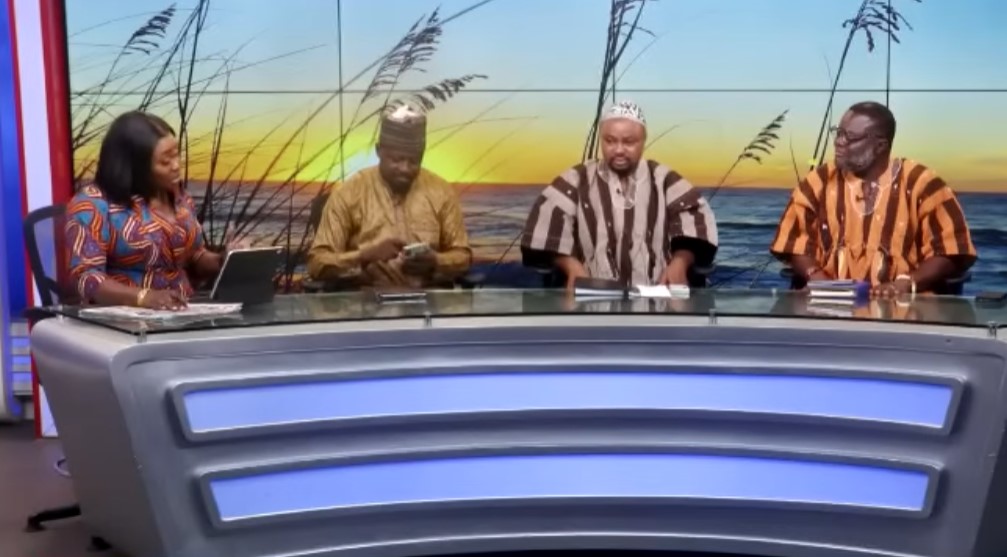
Ghana’s Speaker of Parliament, Alban Bagbin, has come under intense scrutiny following his decision to suspend the transmission of the Human Sexual Rights and Family Values Bill after lawmakers unexpectedly passed the legislation during his absence.
The move has triggered a political and procedural dispute within Parliament, with supporters of the bill accusing the Speaker of interfering with the legislative process, while Bagbin insists his intervention was necessary to address alleged violations of parliamentary procedures.
The controversy has dominated political discussions across the country, including debates on Joy News’ current affairs program Matters Arising, where analysts and commentators questioned both the handling of the bill and the growing tensions between parliamentary leaders.
According to Speaker Bagbin, Parliament departed from agreed procedures when it proceeded beyond the clause-by-clause consideration stage and completed the bill’s final reading on the same day.
Bagbin argued that lawmakers failed to comply with key Standing Orders governing the legislative process, particularly requirements relating to the preparation, compilation, and circulation of amended versions of bills before final approval.
The Speaker maintains that substantial amendments were introduced before the vote and that members should have been given sufficient time to review the revised text before proceeding to final passage.
As a result, he directed parliamentary officials to halt further action on the bill pending a review of the process.
The Speaker’s decision has been met with resistance from some parliamentary leaders.
Majority Leader Mahama Ayariga has reportedly argued that Parliament acted within its constitutional authority and that the bill was lawfully passed by the House.
The disagreement has exposed divisions over whether the Speaker has the authority to suspend or revisit a legislative process after a vote has been completed.
The dispute has since evolved from a debate over the bill itself into a broader discussion about parliamentary powers, procedure, and institutional authority.
Political commentators and legal analysts have expressed concern over the increasingly public nature of the disagreement.
Speaking on Matters Arising, some analysts argued that disagreements between parliamentary leaders should be resolved internally rather than through competing public statements and media appearances.
Others suggested that the episode reflects deeper coordination challenges within Parliament and risks undermining public confidence in the legislative process.
The controversy has also fueled debate about the Speaker’s leadership style, with critics arguing that parliamentary procedures should be respected regardless of the political significance of the legislation involved.
The bill has attracted considerable international attention since its introduction, prompting discussions about its potential impact on Ghana’s diplomatic and economic relationships.
Some political observers have speculated that concerns over international reactions, including possible implications for foreign relations, aid programs, and international partnerships, may be influencing the broader debate surrounding the legislation.
However, no official government statement has linked the current procedural dispute to any specific international financial negotiations or external pressure.
The future of the Human Sexual Rights and Family Values Bill now remains uncertain as parliamentary leaders continue to debate whether the legislation must undergo further procedural review before advancing.
Legal experts say the next phase could involve additional parliamentary deliberations, formal procedural rulings, or potential court challenges regarding the validity of the bill’s passage.
For now, the dispute has created a legislative stalemate, with both supporters and opponents of the bill closely watching Parliament’s next move.
As the controversy unfolds, the episode is likely to remain a major test of parliamentary authority, legislative procedure, and political leadership in Ghana.
Source: Omanghana