Omanghana
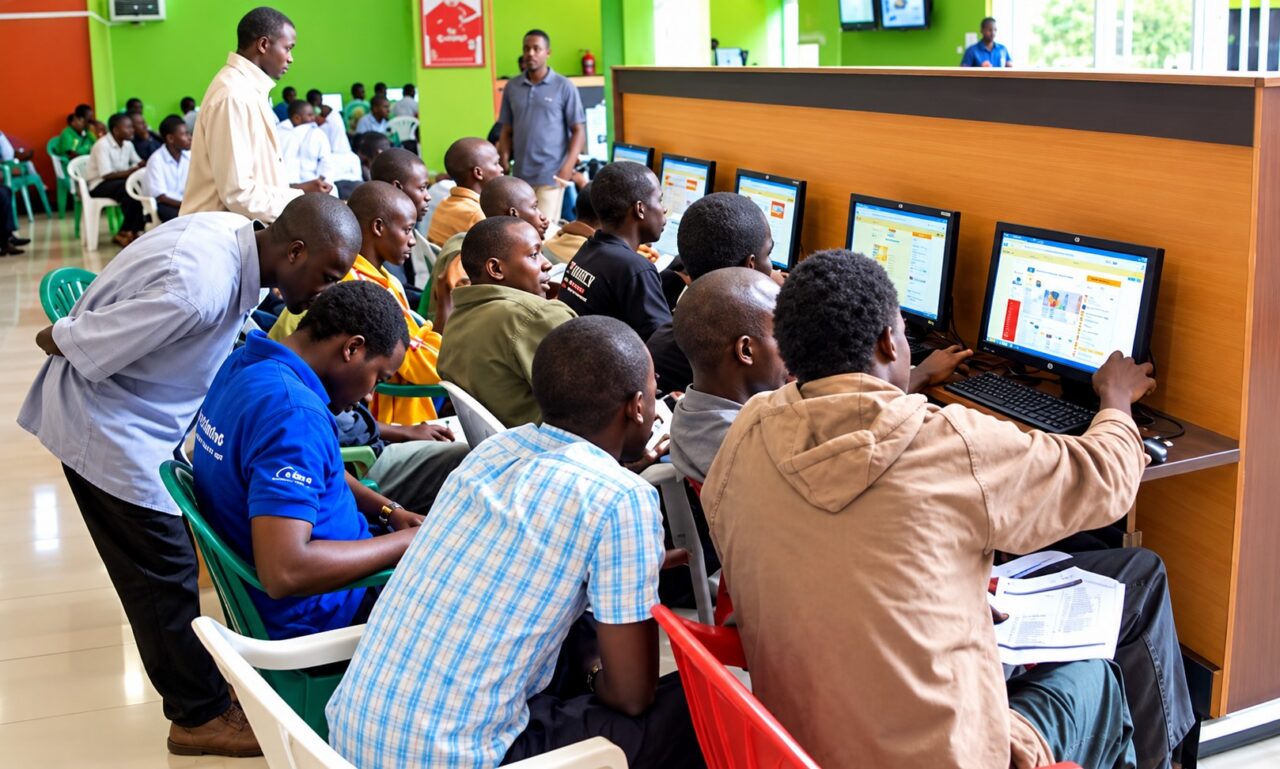
A study commissioned by the Gaming Commission of Ghana has found a strong association between frequent gambling and increased anxiety, depression and psychological distress among university students in Accra.
The research surveyed 400 students at the University of Professional Studies, Accra (UPSA), and Accra Technical University (ATU), raising concerns about the effects of betting on students’ mental health, finances and academic lives.
More than 27 per cent of respondents reported placing bets daily or weekly. The findings linked frequent participation to higher levels of emotional distress, including feelings of guilt and shame, alongside financial difficulties and disruptions to academic and social activities.
The study highlighted easy access to digital betting platforms and the relatively unstructured university environment as factors that may contribute to problematic gambling. Students’ greater independence, combined with opportunities to place bets on mobile devices, can increase their exposure to gambling-related risks.
Although the findings establish an association between frequent betting and mental health difficulties, they do not necessarily show that gambling alone causes anxiety or depression.
The results reflect concerns raised by earlier Ghanaian research involving young adults in the Greater Accra and Volta regions. Those studies examined how mistaken beliefs about gambling, including confidence in one’s ability to predict outcomes, can encourage continued betting despite mounting losses.
Separate research cited in the report recorded psychological distress among nearly 48 per cent of the young gamblers studied, with males facing a higher risk of gambling-related mental health difficulties. That figure relates to the earlier research and should not be confused with findings from the 400 students surveyed at UPSA and ATU.
The latest findings have prompted calls for university authorities, the Ghana Health Service and the Gaming Commission to strengthen support for young people experiencing gambling-related problems.
Proposed interventions include accessible counselling, targeted education and youth-friendly mental health services. Researchers argue that restrictions on betting access should be accompanied by efforts to address the stress and coping difficulties that may lead some students to gamble.
For universities, the findings underline the need to recognise problematic betting as a student welfare concern, with consequences that can extend beyond financial losses to emotional well-being and academic progress.
Source: Omanghana