Omanghana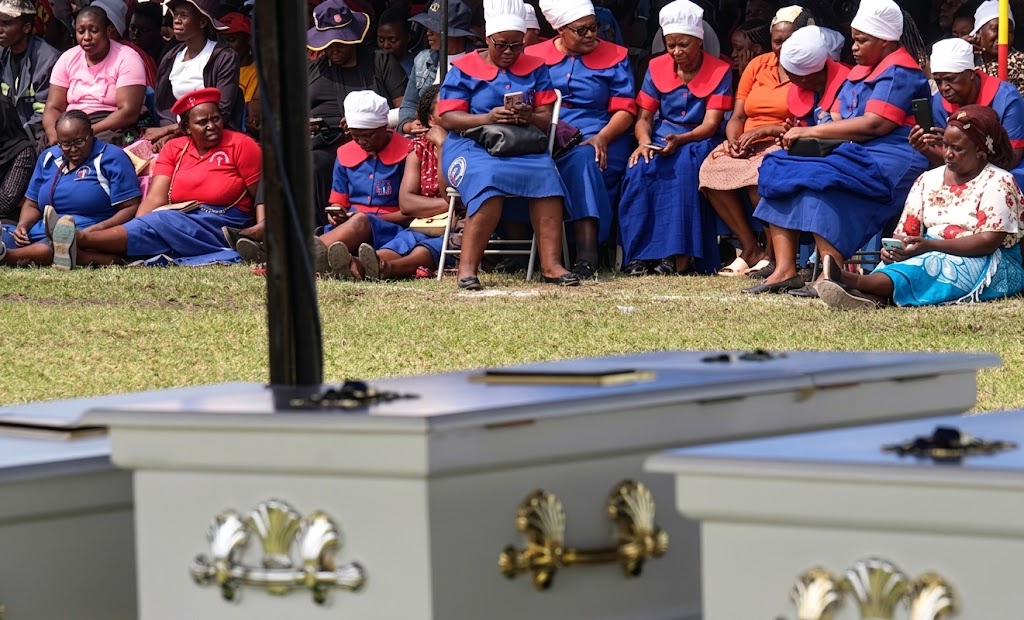
Survivors of the Lake Kariba ferry disaster have described a desperate struggle for life after an overloaded government-owned vessel capsized in Zimbabwe, killing at least 46 people.
The tragedy occurred on August 11, 2026, when the ferry encountered strong winds and rough waters while transporting villagers and fish traders between Kariba town and remote rural communities.
The vessel was reportedly authorized to carry no more than 90 passengers. However, officials said 114 adults, five crew members and an unspecified number of children were aboard when it overturned.
Anymore Chambati, a security official travelling on the ferry, said heavy winds pushed water into the vessel’s engines, causing them to fail. The ferry subsequently began taking on water before capsizing.
Chambati attempted to distribute life jackets as the situation deteriorated but managed to hand out “not more than 10” before panic engulfed the vessel.
Survivor Chance Siyamavhu, 45, said a wave pushed the sinking ferry in a way that allowed him to climb onto its overturned hull. From there, he watched helplessly as passengers struggled in the water.
He said people rushed to secure life jackets, but many did not know how to use them correctly. Siyamavhu survived the disaster but lost his best friend and seven relatives.
Norah Chadenga, a 56-year-old fish trader, also survived but lost her sister-in-law. Chadenga said she had encouraged the woman to join the fish trade to help raise money for her son’s university education.
The country’s civil protection unit confirmed that rescuers pulled 77 people from the water. Search and recovery operations continued as authorities worked to establish the exact number of passengers who had been aboard.
Grieving families later gathered at a local stadium, where coffins containing some of the victims were arranged for a memorial service.
Zimbabwean President Emmerson Mnangagwa declared a state of disaster and ordered the government to mobilize assistance for survivors and bereaved families.
He acknowledged that the tragedy had exposed serious weaknesses in Zimbabwe’s maritime emergency and transport capabilities.
The president also directed authorities to acquire a replacement passenger ferry and urgently repair impassable roads serving affected communities. Poor road conditions have left many residents heavily dependent on ageing boats to reach markets and essential services.
The disaster has intensified questions about passenger limits, vessel maintenance, life-jacket availability and the enforcement of safety standards on Lake Kariba.
Authorities are expected to investigate why the overloaded ferry was allowed to operate despite carrying far more passengers than its authorized capacity.
Source: Omanghana