Omanghana
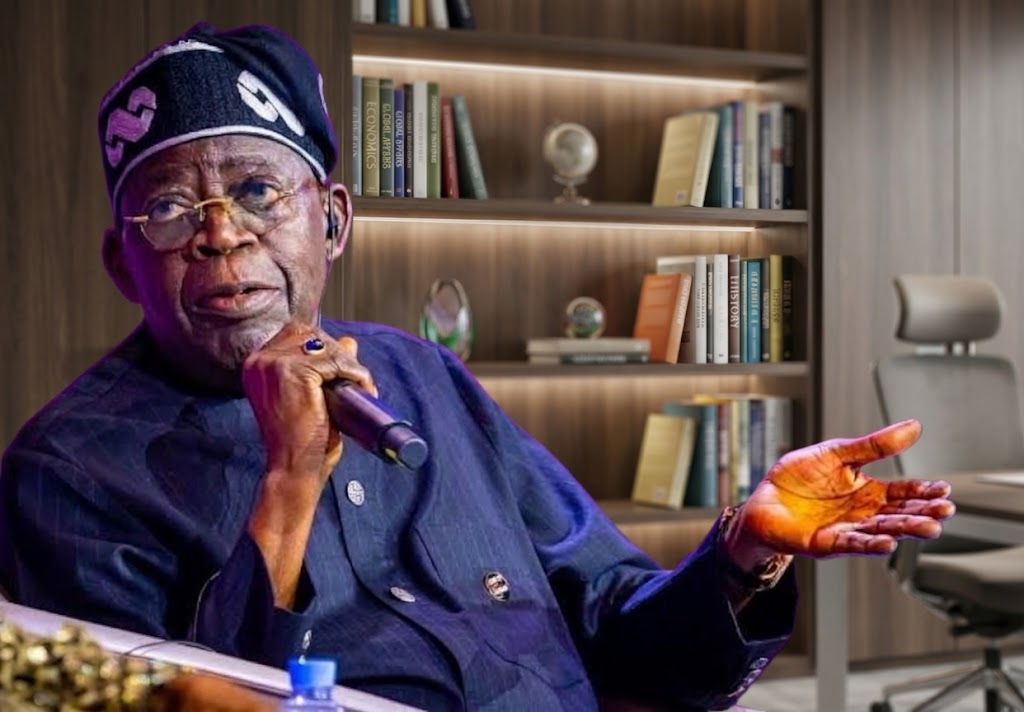
President Bola Tinubu has ruled out restoring Nigeria’s fuel subsidy, warning that reversing the policy would place an unsustainable burden on government finances and could bankrupt the country.
Speaking at a City Boy Movement event in Abuja on Monday, October 19, 2026, Tinubu defended his administration’s decision to end the subsidy and challenged political opponents promising to reintroduce it ahead of the 2027 presidential election.
The President drew on the story of Moses leading his people out of Egypt, comparing demands for a return to subsidy payments to asking the prophet to go back into captivity. He said his administration had “crossed the Red Sea” with its economic reforms and expressed no regret over the decision.
Tinubu maintained that Nigeria could no longer afford the subsidy, presenting its removal as necessary to protect public finances and create room for other government priorities.
His administration argues that resources previously committed to subsidy payments are supporting economic stabilization and programs such as the Nigerian Education Loan Fund, NELFund. Officials also point to stronger foreign reserves as part of their defense of the reforms.
However, the policy remains a major source of political disagreement. Critics say the removal has intensified hardship by increasing transport costs and adding pressure to food prices and household spending.
Some opposition figures have proposed revised or capped subsidy arrangements, arguing that government intervention is needed to ease the burden on citizens.
The Minister of Finance has also warned against reversing the policy, saying such a move could weaken the naira and potentially push petrol prices above ₦2,000 per liter.
Tinubu’s remarks reinforce his administration’s commitment to maintaining the subsidy removal policy as debate over economic conditions and the cost of living gathers momentum ahead of the election.
Source: Omanghana