

 Omanghana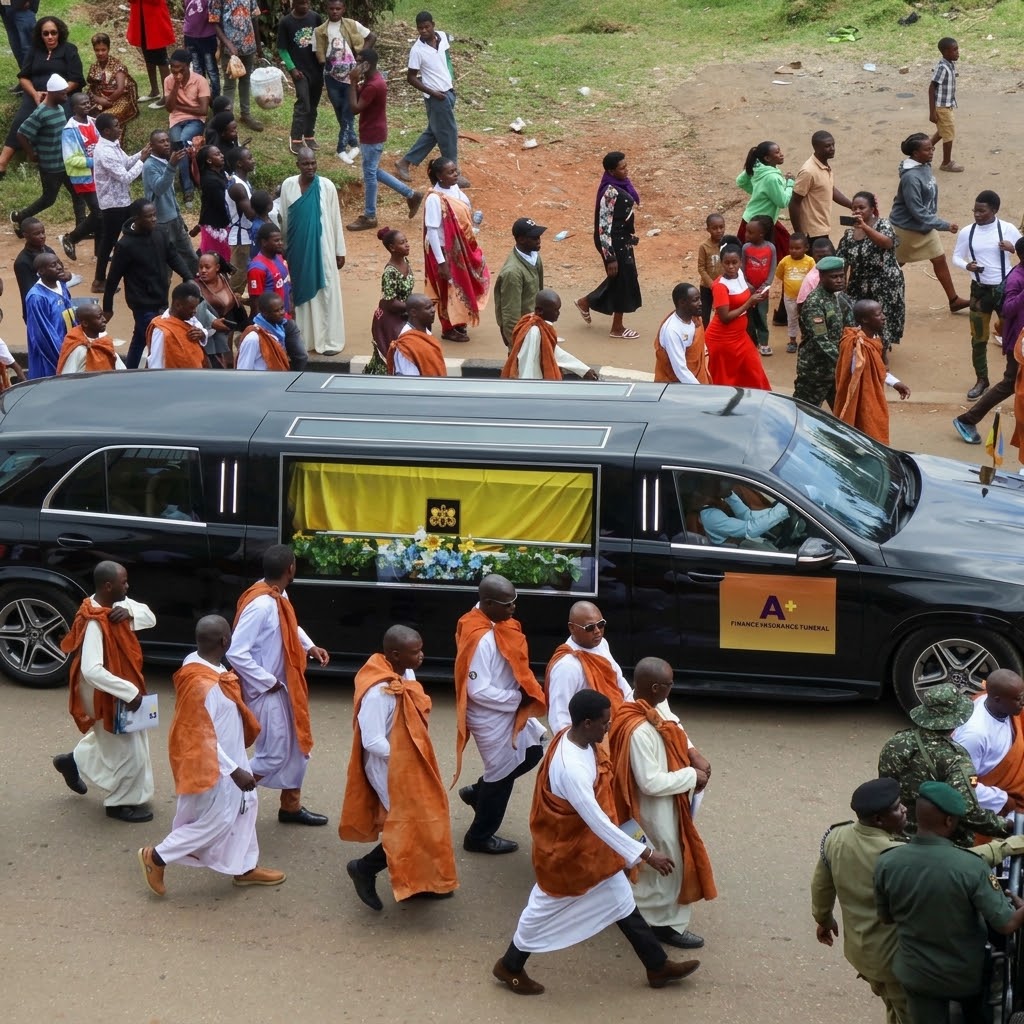
Omukama Oyo Nyimba Kabamba Iguru Rukidi IV, King of the Tooro Kingdom in western Uganda, was laid to rest at the Karambi Royal Tombs in Fort Portal on Saturday, September 12, 2026.
King Oyo died on August 27, 2026, at the age of 34 while receiving cancer treatment in the United States.
He became internationally known after ascending the throne in 1995 at just three years old following the death of his father, King Patrick David Matthew Kaboyo Olimi III. Guinness World Records once recognized him as the world’s youngest reigning monarch.
His burial attracted members of the royal family, clan leaders, government officials, religious figures and mourners who gathered to honor his life and reign. However, the final funeral rites took place amid a growing dispute over who should become the next monarch.
The Babiito Royal Clan succession committee selected Prince Edward Rukidi Kijanangoma, a 56-year-old cousin of the late king, as his successor.
Kijanangoma, who works as a news editor and anchor at the Uganda Broadcasting Corporation, participated in a symbolic succession ritual during the burial. He reportedly cast nine coffee berries into King Oyo’s grave, an act traditionally associated with the transfer of royal authority.
His selection has been strongly opposed by King Oyo’s sister, Princess Ruth Komuntale, and the Queen Mother, Best Kemigisa.
The royal family presented what it described as a will prepared by King Oyo in 2022. According to the family document, the late monarch designated a previously undisclosed biological son as his successor.
The identity and whereabouts of the alleged child have not been publicly revealed, adding further uncertainty to the succession process.
Clan elders have questioned the legitimacy of the claim, arguing that Tooro tradition requires a royal heir to be formally introduced to the Babiito clan before being recognized. Supporters of Kijanangoma have also maintained that the royal family has not provided sufficient verifiable information about the child.
The disagreement has created two competing claims to the throne: one based on the decision of the clan’s succession committee and the other founded on the late king’s reported written wishes.
During the funeral service at St John’s Cathedral, Archbishop of the Church of Uganda Stephen Kaziimba Mugalu appealed for calm and unity. He urged the royal family, clan elders and other stakeholders to avoid actions that could deepen divisions within the kingdom.
President Yoweri Museveni also called on the parties to resolve the disagreement peacefully through lawful and recognized traditional processes.
Although Uganda’s traditional monarchies do not exercise formal political power, they retain considerable cultural influence. The King of Tooro serves as an important symbol of identity, unity and heritage for the Batooro people.
The succession dispute is therefore expected to have significant cultural implications for the kingdom. Its resolution will depend on how the competing claims are considered under Tooro customs and Uganda’s legal framework governing traditional institutions.
Source: Omanghana


