Ben
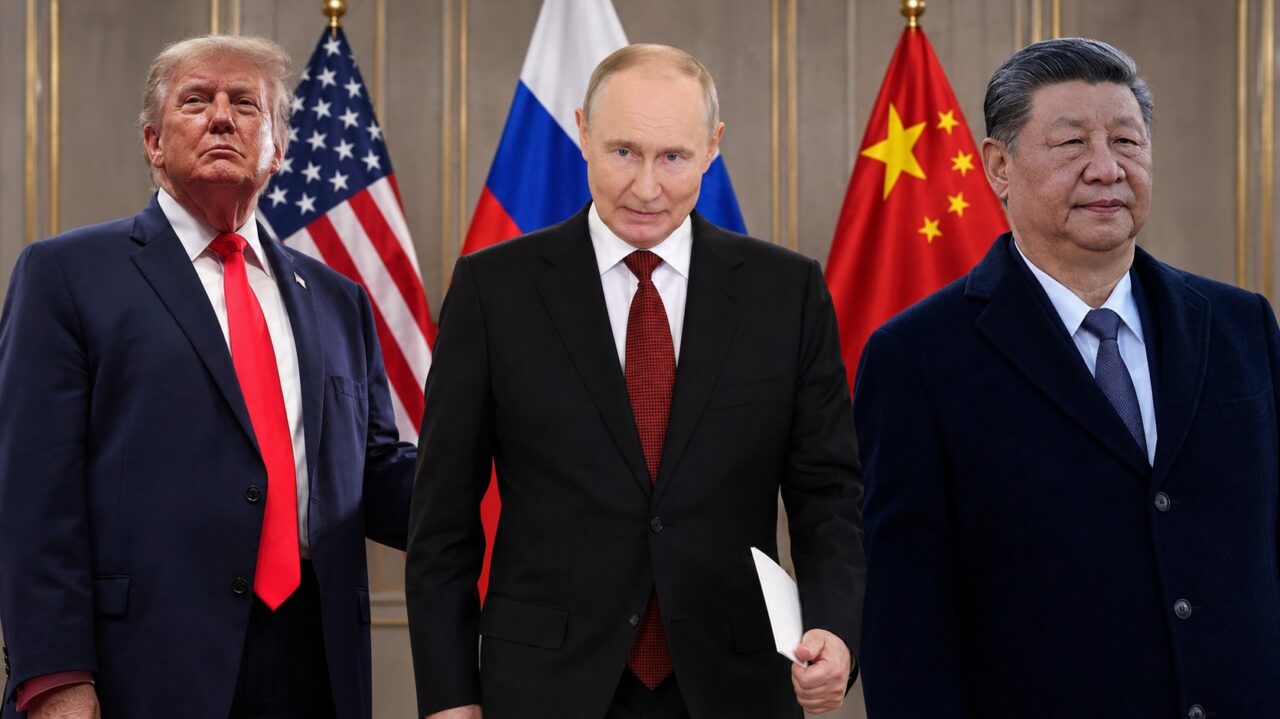
U.S. President Donald Trump, Chinese President Xi Jinping and Russian President Vladimir Putin are scheduled to hold their first three-way meeting on Thursday, November 19, 2026, on the sidelines of the Asia-Pacific Economic Cooperation summit in Shenzhen, China.
The talks will bring together the leaders of three major nuclear powers at a time of tension over trade, security and the wars in Ukraine and Iran. While the meeting carries considerable diplomatic significance, analysts say the leaders’ different priorities make a sweeping agreement unlikely.
Comparisons With Yalta
The planned meeting has drawn comparisons with the 1945 Yalta Conference, where the leaders of the United States, Britain and the Soviet Union discussed arrangements for Europe as the Second World War drew to a close.
Some observers have questioned whether the Shenzhen talks could produce a similar agreement among major powers. Others say the circumstances are very different: the three countries are not wartime allies pursuing a shared postwar settlement, and they remain divided on several major issues.
Those differences include U.S.-China disputes over tariffs, advanced technology and critical minerals, as well as disagreements surrounding the war in Ukraine. China and Russia have strengthened their relationship, but analysts say their partnership also has limits and underlying tensions.
Different Priorities at the Table
Trump has expressed interest in discussing nuclear weapons, trade and the conflicts involving Iran and Ukraine. The meeting also gives him an opportunity to project diplomatic influence following Republican losses in the November 3 U.S. midterm elections.
The precise agenda remains uncertain. Although Trump has said he wants to discuss Ukraine, U.S. officials have indicated that the war is not expected to be raised during the three-way meeting.
For Xi, hosting the leaders offers an opportunity to present China as a central player in international diplomacy while managing its relationship with the United States. Beijing is also expected to remain focused on trade and economic stability.
Putin, meanwhile, will have an opportunity to meet the U.S. and Chinese presidents together as Russia continues its war in Ukraine. Analysts say the appearance could help him challenge Western efforts to isolate Moscow.
Ukraine and Allies Watch Closely
Ukraine and U.S. allies in Europe and the Indo-Pacific will be watching for any indication that the three leaders intend to discuss security arrangements affecting other countries.
Ukrainian President Volodymyr Zelenskyy has insisted that decisions about Ukraine must include Ukraine, reflecting concern in Kyiv about talks involving Russia in which Ukrainian representatives are absent.
Even without an immediate breakthrough, the meeting is expected to shape discussions about relations among Washington, Beijing and Moscow and the direction of future diplomacy.
Source: Omanghana