Omanghana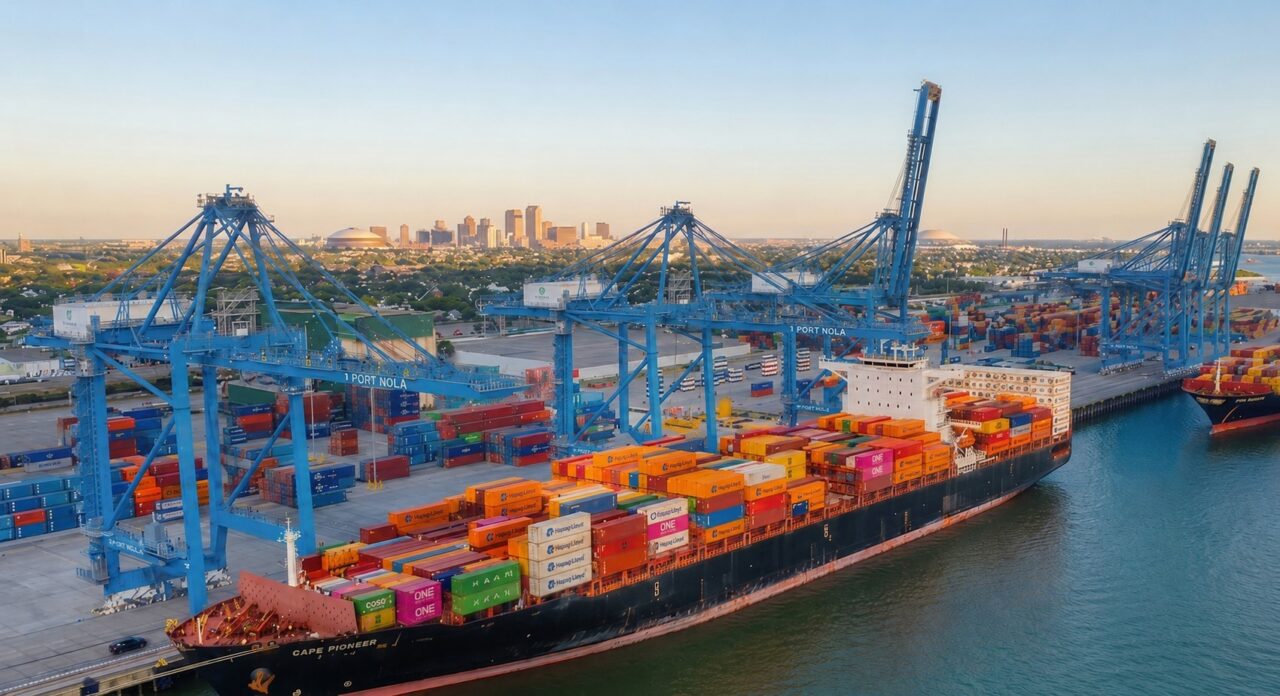
United Arab Emirates entities have announced more than $168 billion worth of investment projects across Africa since 2017, positioning the Gulf nation as one of the continent’s most influential foreign economic partners.
According to an analysis by the Financial Times, the investment pipeline covers major infrastructure and commercial projects involving ports, transport corridors, mining operations and renewable energy systems. State-backed companies, including DP World and Abu Dhabi Ports, are leading much of the expansion across at least 13 African countries.
The scale of the commitments reflects the UAE’s growing ambition to secure strategic trade routes, gain access to critical minerals and establish a stronger presence in Africa’s rapidly expanding markets. However, the $168 billion figure represents announced projects rather than money that has been fully invested.
That distinction has raised important questions about how much of the promised capital will eventually materialize and whether African economies will receive lasting benefits from the agreements.
At the heart of the debate is whether UAE-backed projects will help African countries build domestic industries or merely create faster routes for exporting raw materials. Analysts warn that improved ports and transport corridors could accelerate the movement of gold, copper and other resources overseas without generating enough local processing, manufacturing or employment.
African governments are therefore under growing pressure to negotiate agreements that include local-content requirements, skills development, technology transfers and investment in domestic supply chains. Without those safeguards, countries could remain exporters of unprocessed commodities despite receiving billions of dollars for infrastructure.
Concerns have also been raised about undeclared resources flowing from unstable African regions to Gulf trading centers. Gold has emerged as a particularly sensitive issue, with reports pointing to significant gaps between officially recorded exports and the quantities arriving in international markets.
Not every announced project is guaranteed to proceed. Changing commodity prices, financing challenges and shifts in global demand have already delayed some multibillion-dollar initiatives, including proposed green hydrogen developments.
The UAE’s most visible expansion has occurred in logistics and port management. DP World and Abu Dhabi Ports operate or support terminals and trade routes across the continent, stretching from the Port of Luanda in Angola to Maputo in Mozambique.
In the mining sector, UAE investment vehicles such as International Holding Company have pursued strategic assets linked to critical minerals. These include investments aimed at increasing production at Zambia’s Mopani copper operations as global demand for copper and other transition minerals continues to rise.
Energy has become another major area of interest. UAE-backed commitments include renewable power projects, large wind farms in Egypt and refinery-related investments in Uganda. These ventures could strengthen regional energy systems, although their long-term impact will depend on implementation and the amount of value retained locally.
The rapid expansion has placed the UAE in direct competition with China, the United States and European countries seeking influence over Africa’s infrastructure and natural resources. A parallel economic rivalry between the UAE and Saudi Arabia is also creating competing offers for African governments.
For African states, the challenge is no longer simply attracting foreign capital. The greater test will be ensuring that investment agreements support industrial development, regional integration and shared infrastructure instead of building highly efficient export corridors that move the continent’s resources abroad without creating sufficient wealth at home.
Source: Omanghana