Omanghana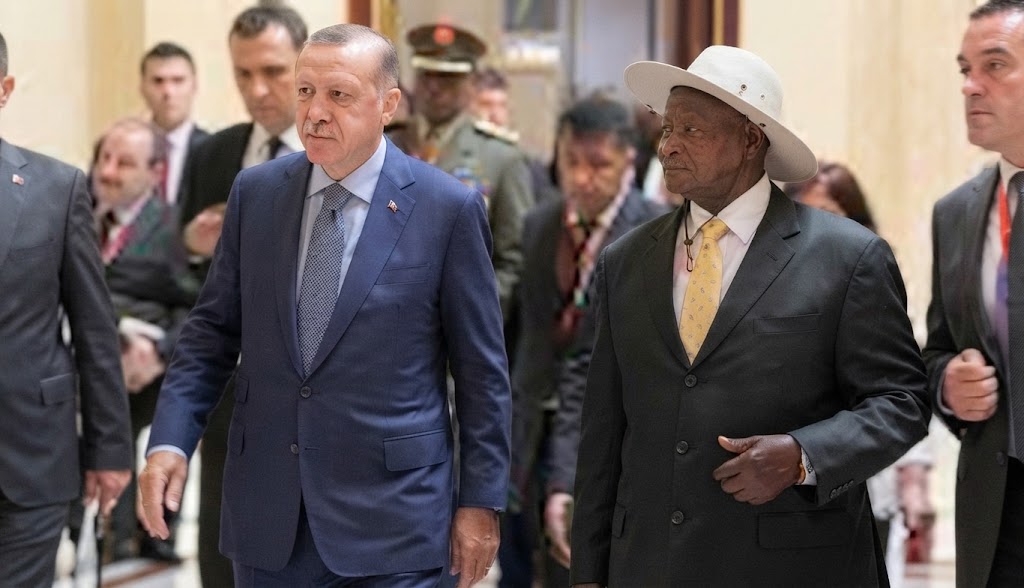
The Uganda People’s Defense Forces has suspended all defense and military cooperation with Turkey with immediate effect amid growing diplomatic tensions between Kampala and Ankara.
UPDF spokesperson Col. Chris Magezi announced the decision, saying the suspension would remain in force until outstanding matters concerning defence and military cooperation between the two countries were resolved.
The military did not publicly identify the specific issues behind the action. However, the announcement followed months of disagreement over Turkey’s refusal to extradite Ugandan political blogger and government critic Fred Lumbuye.
Lumbuye has lived in Turkey for several years, although his current legal status there remains unclear. Ugandan authorities previously opened 15 case files against him, accusing him of offences including incitement to violence, spreading false information and computer misuse.
Gen. Muhoozi Kainerugaba, Uganda’s Chief of Defence Forces and a son of President Yoweri Museveni, has repeatedly demanded that Turkish authorities hand Lumbuye over to Kampala.
Tensions escalated on September 18 when hundreds of supporters of the Patriotic League of Uganda demonstrated outside the Turkish Embassy in Kampala. The organisation, chaired by Kainerugaba, accused Lumbuye of using Turkish territory to attack Uganda’s leadership and demanded his extradition.
The disagreement has also raised concerns about a major railway project awarded to Turkish construction company Yapı Merkezi. Uganda signed a €2.7 billion, or approximately $3 billion, contract with the company in 2024 to construct a 272-kilometre section of its planned Standard Gauge Railway.
Kainerugaba subsequently declared that the contract had been cancelled and threatened further measures against Turkish interests. However, the UPDF’s latest announcement did not clarify the official status of the railway agreement.
Uganda and Turkey have maintained formal military relations since 1996. Their partnership has covered military training, defence-industry cooperation, technology transfers, research and the supply of military equipment. Turkey has also provided training to Ugandan special forces.
Before the dispute, officials from both countries had been working to deepen those ties. Uganda had expressed interest in purchasing more Turkish military equipment and encouraged Ankara to establish a defence-manufacturing hub in the East African country.
The suspension could therefore affect existing training arrangements, defence-industry engagements and negotiations over future equipment purchases. It may also complicate Turkey’s efforts to expand its political, commercial and military presence in East Africa.
Ankara has not publicly indicated whether it intends to reconsider Lumbuye’s status or respond to Kampala’s suspension. The duration of the freeze will depend on whether the two governments can resolve the unspecified defense issues and their broader diplomatic disagreement.
Source: Omanghana