Omanghana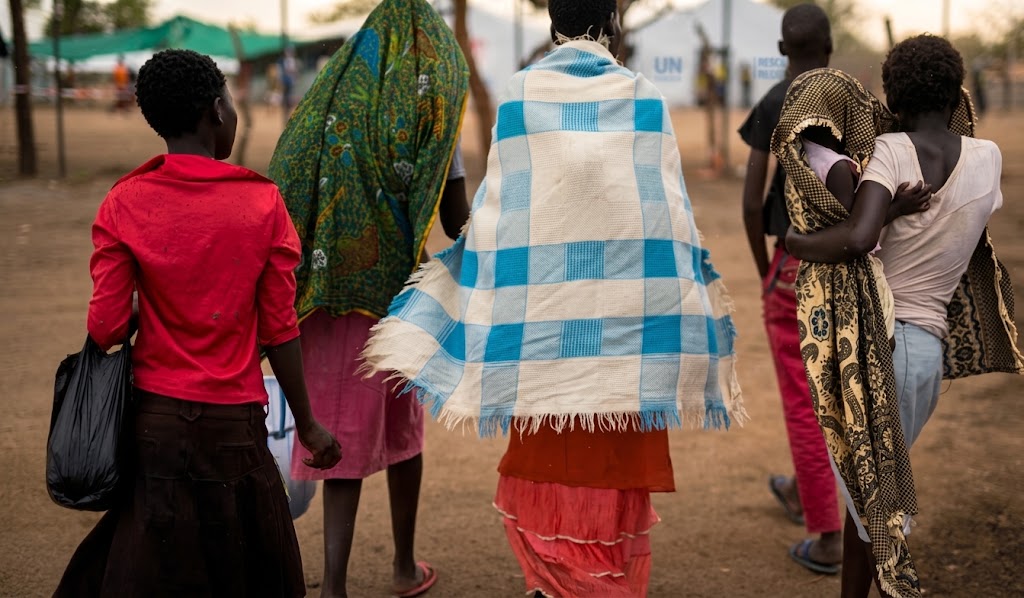
More than 650,000 refugees and asylum seekers in South Sudan risk losing essential food, nutrition and humanitarian assistance because of severe funding shortages, the United Nations has warned.
The UN Refugee Agency and World Food Programme issued the joint warning on August 14, 2026, as dwindling resources threaten relief operations in one of the world’s most serious hunger emergencies.
Without urgent funding, the agencies said September could be the final month of food and nutritional support for 240,000 of the most vulnerable refugees in the country.
These families are already receiving only half of a standard food ration following earlier reductions caused by donor funding cuts. A complete suspension would leave many without a reliable source of food or basic assistance.
WFP said it requires an immediate $37 million to continue its refugee response. The agency also faces an overall funding gap of $258 million for the remainder of 2026.
The wider shortfall threatens lifesaving assistance for approximately 4.2 million food-insecure people across South Sudan.
UNHCR is facing similar financial pressure. The refugee agency has received only 28 per cent of the $286 million required in 2026 to provide protection and assistance to refugees, internally displaced people, returnees and vulnerable host communities.
The funding crisis comes as more than 7.8 million people over half of South Sudan’s population face high levels of acute food insecurity. About 2.2 million children are also suffering from acute malnutrition.
The ongoing conflict in neighbouring Sudan has placed further strain on South Sudan’s already limited resources. Up to 3,000 refugees and returnees reportedly enter the country every week, increasing demand for food, shelter, healthcare and protection services.
Humanitarian agencies are also preparing for worsening conditions during the peak of the rainy season. Flooding frequently cuts off communities and makes aid delivery more difficult, while reduced local food supplies contribute to higher market prices.
The UN agencies warned that withdrawing assistance could push refugee families into desperate survival measures. These may include taking children out of school, selling their remaining assets or attempting dangerous cross-border journeys in search of food and safety.
UNHCR and WFP have appealed to donors to release urgent funding to prevent further ration reductions and the possible suspension of vital humanitarian programs.
Source: Omanghana