Omanghana
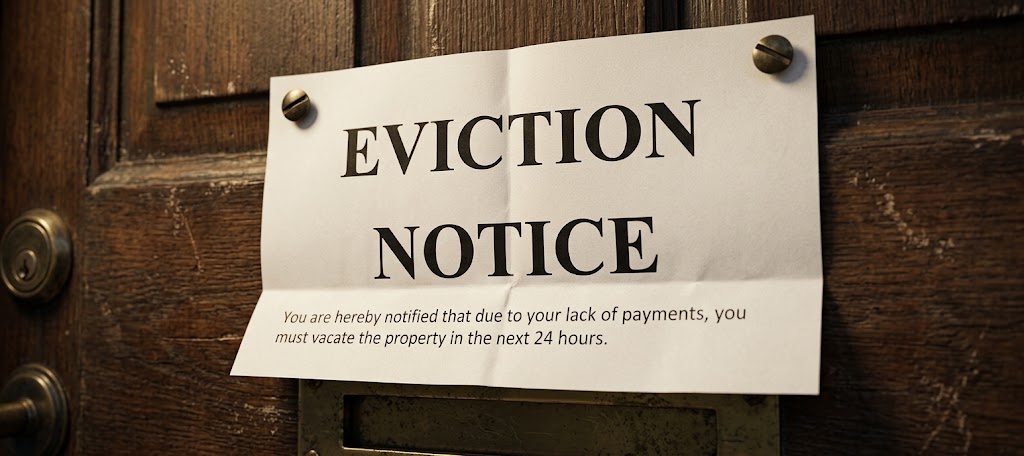
The United Nations Special Rapporteur on the right to adequate housing, Koldo Casla, has urged Ghanaian authorities to protect residents from forced evictions carried out without prior consultation and proper compensation.
In a statement concluding a 12-day official visit to Ghana, Casla raised concerns about demolitions in Accra that had left residents homeless and deprived others of their businesses. He called on authorities to respect the rights of affected communities when implementing development plans
The housing expert highlighted the situation in Old Fadama, where residents have faced repeated eviction threats since the early 2000s. He said recent concerns were linked to local government plans for the neighboring Agbogbloshie Market.
Casla urged the government to involve people living in poverty in decisions affecting their homes and livelihoods. His discussions with residents of informal settlements, he said, reinforced the importance of public participation in urban planning.
He also cautioned political leaders against language that stigmatizes homeless people or portrays residents of informal settlements as criminals.
Beyond evictions, the Special Rapporteur called for housing policies that respond to the incomes and needs of ordinary working people. He expressed concern that some property developments in Accra remained unaffordable to most residents, despite substantial construction activity.
According to Casla, the number of vacant properties in wealthier neighborhoods suggested that some developments were serving speculative investment interests rather than meeting the population’s housing needs. He urged the government to priorities affordable homes for low-income households.
The UN expert also recommended stronger support for the Rent Control Department, including the resources needed to monitor the rental market effectively and address arbitrary rent increases.
He warned that the high cost of formal housing was leaving many Ghanaians with few alternatives to informal settlements and inadequate accommodation, underscoring the need for stronger tenant protections alongside affordable housing provision.
Source: Omanghana