Omanghana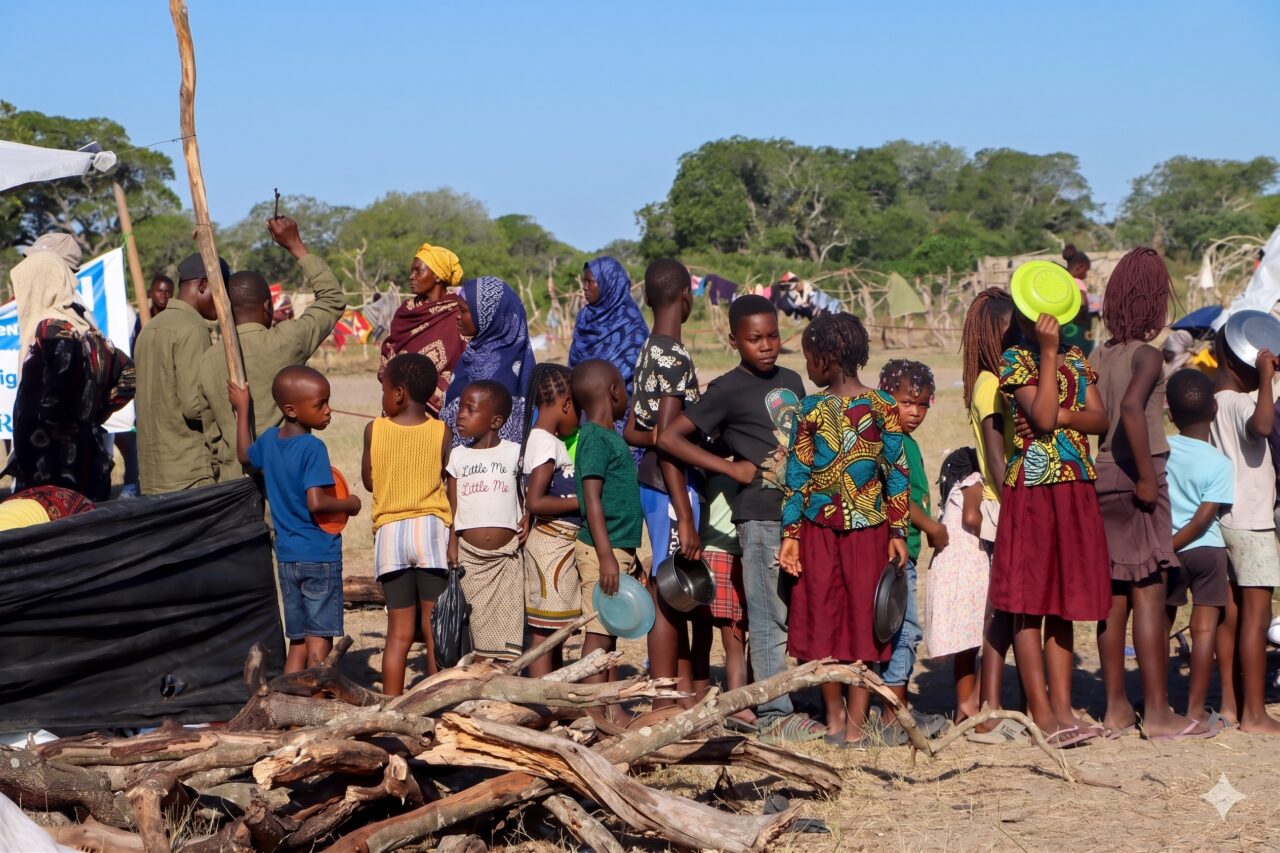
The United Nations has raised alarm over the convergence of a rapidly expanding Ebola outbreak in Africa and an intensifying El Niño-related food crisis, warning that the combined emergencies could place millions of vulnerable people at heightened risk across several global hotspots.
Speaking during a high-level briefing in Geneva, UN agencies cautioned that worsening health and climate challenges are unfolding against the backdrop of a severe humanitarian funding shortfall, with overall financial support for aid operations having declined by 59 percent since 2022.
Ebola Cases Surge in Central Africa
The World Health Organization (WHO) described the ongoing Ebola outbreak affecting eastern Democratic Republic of the Congo (DRC) and neighboring Uganda as the fastest-growing on record.
The epidemic is being driven by the Bundibugyo strain of the Ebola virus, for which there are currently no approved vaccines or targeted treatments. According to the latest figures, confirmed infections have risen to 1,048 cases, including 267 deaths.
Health officials noted that the outbreak reached 250 fatalities in just 78 days, surpassing the early pace of transmission seen during the devastating 2014–2016 West African Ebola epidemic.
The crisis is being compounded by prolonged armed conflict and mass displacement in affected areas, where widespread malnutrition has weakened immune systems and increased the risk of severe illness among vulnerable populations.
El Niño Expected to Worsen Global Food Insecurity
At the same time, UN agencies are warning that an emerging El Niño weather pattern expected to peak in mid-2026 could intensify droughts and flooding across already fragile regions, further undermining food production and livelihoods.
A joint assessment by the Food and Agriculture Organization (FAO) and the World Food Program (WFP) projects that acute hunger conditions could deteriorate across 13 global hotspots, putting an estimated 266 million people at increased risk of severe food insecurity and famine.
Among the regions facing the greatest concern are the Gaza Strip, Sudan, South Sudan, and Yemen. Nigeria and Somalia have also been elevated to the highest-risk category due to worsening climate conditions and persistent insecurity.
Humanitarian agencies warned that ongoing conflicts and disease outbreaks are disrupting aid deliveries, limiting access to affected communities, damaging local markets, and driving up the cost of essential goods.
UN Launches Preventive Funding Appeal
In response to the looming climate threat, the FAO and WFP have launched their first-ever Joint Anticipatory Action Appeal, seeking $202 million to fund early interventions before the full effects of El Niño are felt.
The proposed measures include distributing drought-resistant seeds, expanding water storage systems, and providing cash assistance to vulnerable households, with the goal of protecting approximately 8.8 million people from the anticipated impacts of worsening weather conditions.
UN officials emphasized that acting before disasters escalate could help save lives, reduce humanitarian costs, and strengthen resilience in communities already facing multiple overlapping crises.
Source: Omanghana