Omanghana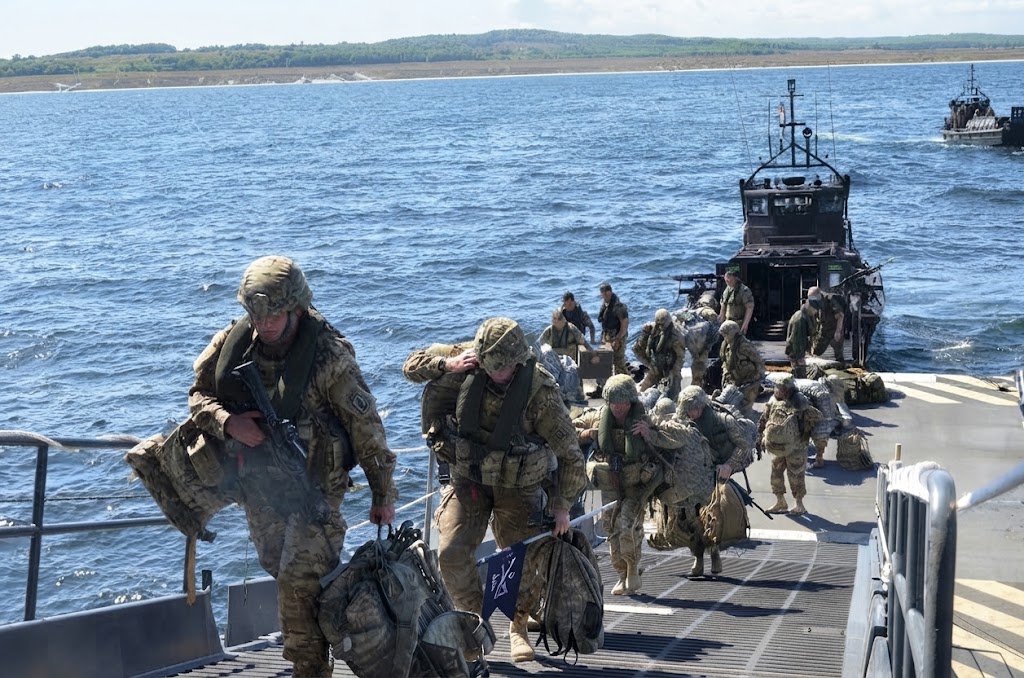
The United States and Libya have joined several regional and Western nations in a multinational military exercise aimed at strengthening maritime security and addressing shared threats across the Mediterranean.
Hosted by Tunisia, the exercise brings together forces from the US, Libya, Algeria, Egypt, Morocco, France, Italy and the United Kingdom. It is designed to improve military coordination, promote the exchange of expertise and enhance the participating countries’ ability to protect strategically important Mediterranean waterways.
Libya’s involvement highlights its complex security relationships with both Western powers and Russia. Forces aligned with Khalifa Haftar’s Libyan National Army continue to cooperate with Moscow while also participating in defense initiatives involving the United States and its European allies.
Russia has reportedly expanded its military infrastructure at six strategic airbases in Libya, including Al-Jufra and Al-Khadim. The facilities are said to host Russian personnel, MiG-29 fighter aircraft, drones, air-defense systems and other military equipment.
The bases also serve as logistical centers through which Russia reportedly transports weapons, equipment and fighters to other African countries where its Africa Corps operates. Moscow’s growing presence has raised concerns among US and European officials because Libya is located close to NATO’s southern flank and major Mediterranean shipping routes.
Despite those concerns, Washington’s participation alongside Libyan forces shows that immediate regional security priorities can bring together countries with competing international alliances. The exercise focuses on improving readiness against maritime crime, terrorism, arms trafficking and other cross-border security threats.
For Libya, the engagement reflects an effort to maintain relationships with multiple global powers as the country remains politically and militarily divided. While Haftar-aligned forces in eastern Libya retain close links with Russia, other Libyan institutions continue to work with the US and European countries on defense, migration and maritime security.
US officials reportedly regard Moscow’s long-term military expansion in Libya as part of a broader attempt to weaken Western diplomatic and security influence across Africa. Russia’s strategic position in the country also provides it with access to the Mediterranean and a gateway to operations in the Sahel and other parts of the continent.
The multinational exercise therefore comes against a complicated geopolitical background, combining practical security cooperation with intensifying competition between Russia and Western powers for influence in North Africa.
Source: Omanghana