Omanghana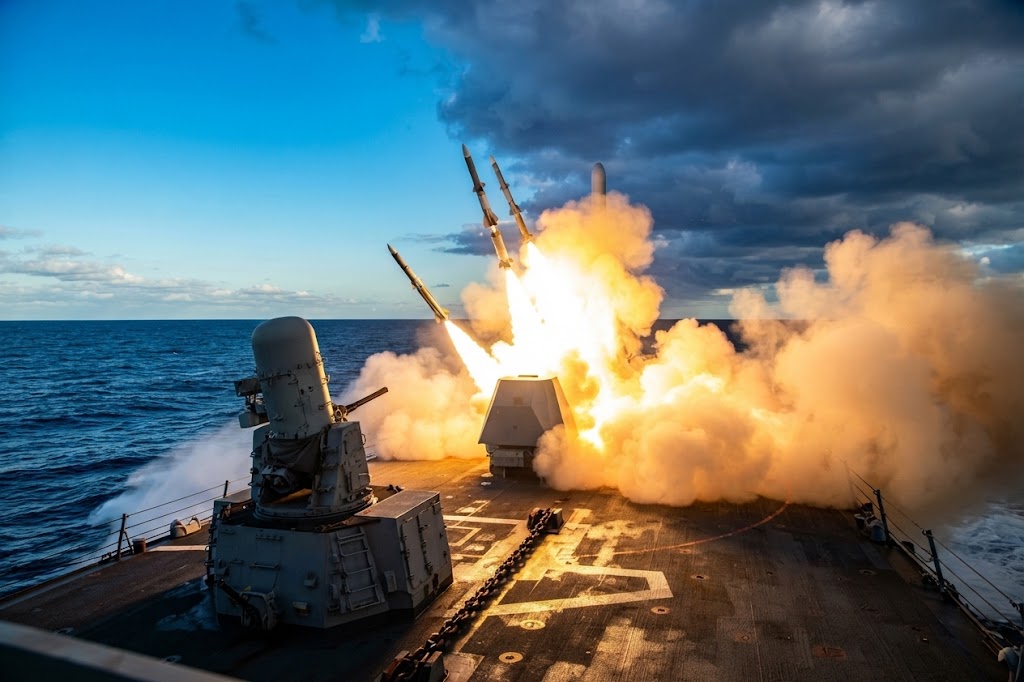
The United States’ continuing war with Iran has created strategic shortages in key ammunition inventories and exposed major weaknesses in the country’s defence manufacturing supply chain, according to a Pentagon inspector general report.
The congressionally mandated report, which covers Operation Epic Fury from February 28 to June 30, estimates that the conflict cost the US military about $33.4 billion during its first four months.
Of that amount, approximately $22.3 billion was spent on missiles, interceptors and other munitions. The report concluded that the scale of weapons used during the campaign had caused “strategic inventory shortfalls” and revealed serious industrial bottlenecks affecting efforts to replenish military stockpiles.
Production constraints reportedly include limited capacity to manufacture solid rocket motors, shortages of high-grade explosives and propellants, and difficulties recruiting skilled workers for specialised defence plants.
The Pentagon says it is responding by simplifying procurement procedures, shortening production timelines and stockpiling critical raw materials and components. However, the report warns that expanding the defence industrial base will require significant time and sustained investment.
The watchdog’s findings have intensified concerns about whether the United States could maintain adequate weapons supplies for another major conflict, particularly a prolonged confrontation involving China or Russia.
The report also appears to contradict repeated assurances from President Donald Trump and Defence Secretary Pete Hegseth that US ammunition supplies remain sufficient and that weapons production is operating at historically high levels.
In addition to the cost of munitions, the Pentagon recorded about $3.7 billion in lost or damaged military equipment during the reporting period. The losses included four destroyed F-15 fighter aircraft, damage to an F-35 jet and seven KC-135 aerial refuelling tankers, as well as the destruction of up to 30 MQ-9 Reaper drones.
Iranian strikes also damaged or destroyed hundreds of structures at US military bases in Kuwait, Bahrain, Qatar, the United Arab Emirates, Saudi Arabia, Iraq, Oman and Jordan. Damage to American diplomatic facilities in four countries was estimated at approximately $184 million.
The inspector general’s assessment covers only the first four months of the conflict, meaning the total financial and military cost is expected to be considerably higher as fighting continues.
The findings have placed additional pressure on the US administration to explain how it intends to rebuild depleted stockpiles while maintaining readiness in other strategic regions.
Source: Omanghana