Omanghana
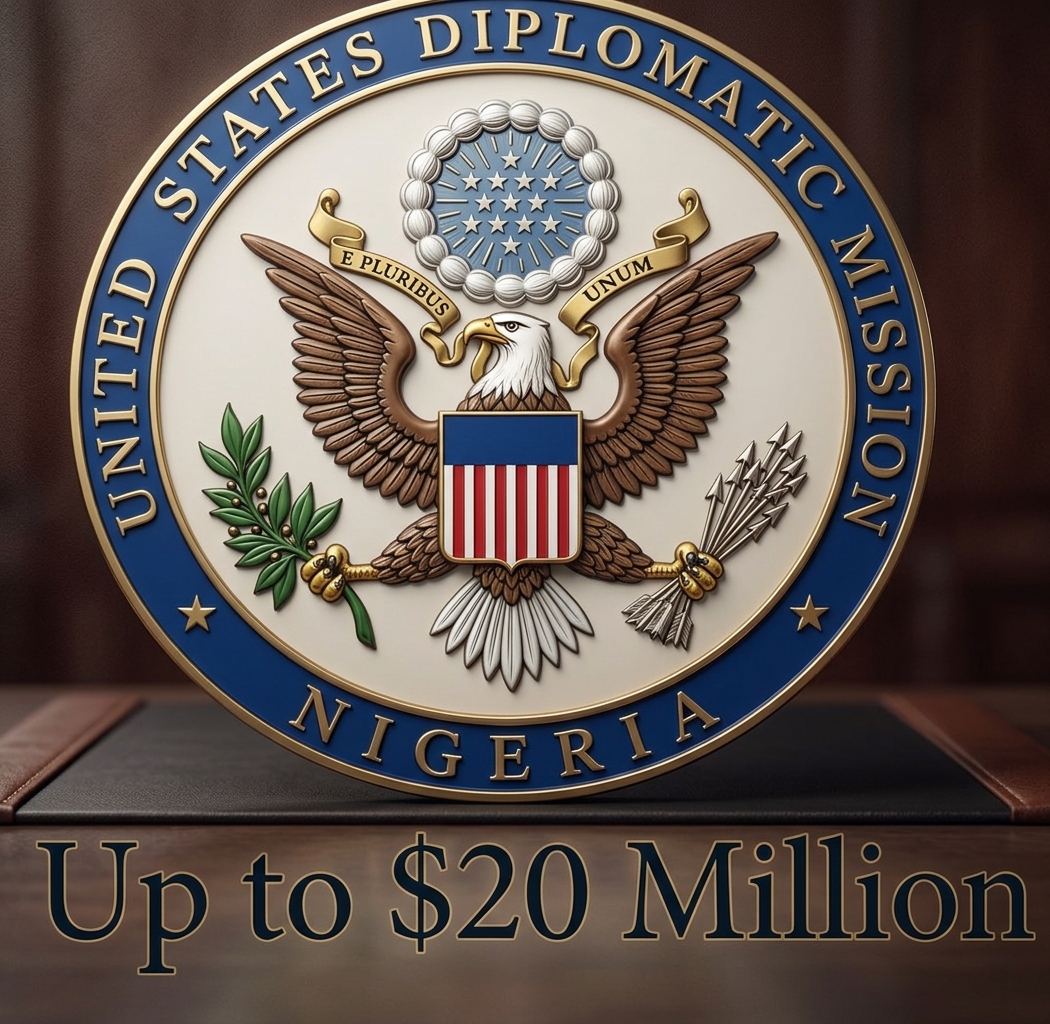
The United States is offering a reward of up to $20 million, as well as possible relocation, for information about Iran’s nuclear program.
The offer, announced through the US State Department’s Rewards for Justice program, seeks information on nuclear facilities, equipment and personnel, including scientists. It also covers the movement of people or assets associated with the program.
The announcement comes as Washington continues to pressure Tehran over its nuclear activities amid the ongoing US-Iran conflict.
Concerns Over Nuclear Oversight
The State Department said Iran’s failure to comply with its safeguards obligations had affected the International Atomic Energy Agency’s ability to track the production and inventory of equipment, including centrifuges used to enrich uranium.
The agency had reported in 2025 that Iran was enriching uranium to 60% purity, below the approximately 90% generally considered weapons-grade.
According to the Rewards for Justice program, experts estimate that the quantity of material Iran had produced, if enriched further, could be sufficient for several nuclear weapons. That assessment does not establish that Iran possesses a nuclear weapon.
Iran has maintained that its nuclear program is for peaceful purposes. Its mission to the United Nations in Vienna condemned the reward offer, accusing Washington of seeking information that could facilitate further attacks on Iranian scientists and nuclear facilities.
Questions Over Earlier Strike Claims
The reward offer follows President Donald Trump’s repeated statements that US and Israeli strikes had devastated Iran’s nuclear facilities. After the June 2025 strikes, Trump said key Iranian enrichment sites had been “completely and totally obliterated.”
The new offer shows that Washington is continuing to seek information about Iran’s nuclear activities, although it does not by itself establish the current condition of any particular facility.
Trump has also indicated that he remains open to an agreement with Tehran. Speaking in Florida on Friday, November 6, he said Iran wanted to negotiate a deal.
New Task Force
Meanwhile, US Central Command announced the creation of Task Force Iron Gate on Saturday, November 7, to help restrict the movement of weapons, dual-use technology, sanctioned materials and illicit revenue across Iran’s land borders and the Caspian Sea.
The approximately 20-member team will operate from Tampa, Florida, and coordinate with other US government agencies.
CENTCOM said the effort would complement the US naval blockade of Iranian ports, which it claims has prevented Iran from exporting more than $25 billion in crude oil.
Diplomatic and Political Pressure
The developments come as Qatar continues to mediate between Washington and Tehran. Iranian officials have been reviewing proposals intended to address differences over the nuclear program and pave the way for broader discussions.
Iran has called for measures including an end to the US blockade, the lifting of sanctions and the release of frozen assets before nuclear negotiations.
The conflict has also become a major political issue in the United States following Republican losses in the November 3 midterm elections. Vice President JD Vance blamed the war for the party’s defeat, while Trump acknowledged that the conflict had contributed to the losses but defended his decision to launch the military campaign.
Source: Omanghana