Omanghana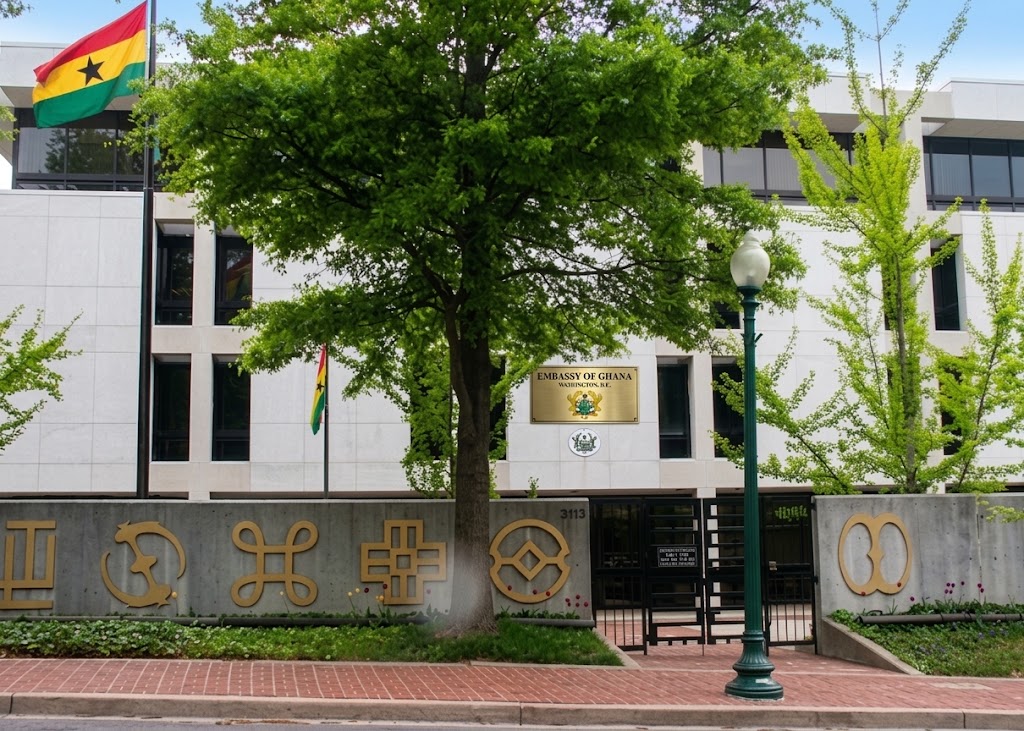
A commentary titled “Being in a Foreign Country Is Not as Easy as Some Think” has raised serious concerns about findings contained in the Auditor-General’s Special Audit Report on Ghana’s Embassy in Washington, D.C.
The audit covers activities at the diplomatic mission between 2017 and 2025 and details alleged financial and administrative irregularities estimated at $19.38 million. The findings suggest that Ghanaians and other applicants seeking consular services were redirected through private platforms and compelled to pay fees that had not been officially approved.
The commentary opens with the Amakye Dede proverb, “Ohuhuo ani yɛ akɛseɛ akɛseɛ, nanso ɛnduru kuro mu,” which means that although a stranger may have big eyes, they cannot see far in an unfamiliar town.
According to the writer, the proverb captures the vulnerability of people living abroad who depend on their embassies for passports, visas, emergency support and other essential services. Rather than serving as a trusted refuge, however, the Washington mission’s digital infrastructure was allegedly exploited for private financial gain.
The Auditor-General found that between 2019 and 2025, links and pop-up messages placed on the embassy’s official website redirected applicants to privately operated portals reportedly controlled by the mission’s Information and Communication Technology officer, Fred Brian Kwarteng.
Applicants using the platforms were allegedly charged compulsory “application support” fees in addition to a mandatory mailing charge of $29.75.
Based on official visa rates and the number of applications processed, auditors estimated that more than $14.34 million was collected through the arrangement. The affected transactions reportedly involved over 188,000 visa applications and approximately 21,000 passport requests.
Concerns about the embassy’s financial activities were also raised by Citibank, which managed some of the mission’s accounts. The bank reportedly questioned suspicious invoices, unauthorized cash withdrawals made in favour of staff members and transactions involving entities such as STEFRANN and Ghana Travel Consult.
The irregularities were considered serious enough for Citibank to reassess its relationship with the mission because of the potential reputational and compliance risks.
Auditors also uncovered an unauthorized “Welfare Account” that had allegedly been created without approval from the Ministry of Foreign Affairs. Funds generated through the private operations were reportedly deposited into the account and later used for cash withdrawals and undocumented payments to employees.
The audit raised additional national security concerns following a physical inspection of Kwarteng’s office. Investigators reportedly recovered 18 passport booklets, including four blank biometric booklets and other active booklets that had not been properly accounted for.
A total of 59 used and unused visa stickers were also allegedly found in the office. The discovery raised questions about the security of Ghana’s passport and visa systems and the possibility that sensitive immigration materials had been improperly handled.
The commentary argues that investigations should extend beyond the ICT officer to the officials responsible for supervising the mission’s financial, administrative and consular operations.
It maintains that a scheme of such scale and duration could not have continued without serious failures in oversight, internal controls and accountability. Senior officials who authorized, benefited from or ignored the alleged activities must therefore be identified and investigated.
The writer called for disciplinary and criminal proceedings against all individuals found responsible, stressing that attention should not be focused solely on locating Fred Brian Kwarteng.
The scandal, according to the commentary, represents more than an alleged financial loss. It also amounts to a breach of public trust involving citizens who expected protection and honest service from their country’s diplomatic mission.
The findings have intensified calls for stronger supervision of Ghana’s missions abroad, regular audits of consular platforms and tighter controls over the collection and management of fees.
Source: Omanghana