Omanghana
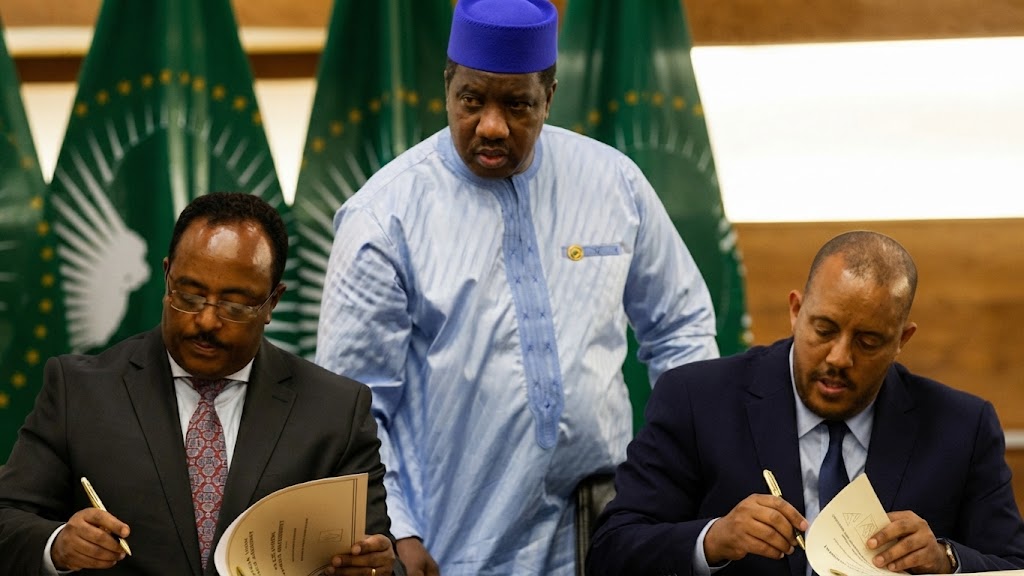
Ethiopia’s latest political tensions have revived a long-running debate over how the country should share power between its federal government and regions organised largely around language and ethnic identity.
The federal system established under the TPLF-led government was designed to give Ethiopia’s diverse communities a measure of self-government. The constitution recognizes the rights of nations, nationalities and peoples to self-determination. Supporters see those protections as essential in a country with a history of centralized rule; critics argue that disputes over regional borders and political authority can become harder to resolve when they are tied to identity.
Western Tigray, also known as Welkait, illustrates the stakes. Tigrayan and Amhara authorities have competing claims to the area, and its status remained unresolved after the 2022 Pretoria agreement ended the war between the federal government and Tigrayan forces. Armed groups’ involvement in territorial disputes has further complicated efforts to reach a settlement.
The struggle over federal and regional power sharpened after Abiy Ahmed became prime minister in 2018. In 2019, he replaced the TPLF-led ruling coalition with the Prosperity Party, which the TPLF declined to join. The change widened disagreements over the direction of the state and the extent of regional autonomy.
Those divisions are again in focus after the TPLF and six other opposition groups announced an alliance aimed at removing Abiy’s government. Its members include former adversaries, and their ability to act together remains uncertain. The alliance’s formation reflects shared opposition to the federal government, but it does not resolve the territorial and political disputes among its members.
Ethiopia’s federal structure is one part of this conflict, alongside unresolved territorial claims, armed rivalries and disputes over how the Pretoria agreement should be implemented. The central question remains how the country can protect regional self-government while settling disagreements over land, security and national authority without further violence.
Source: Omanghana