Omanghana
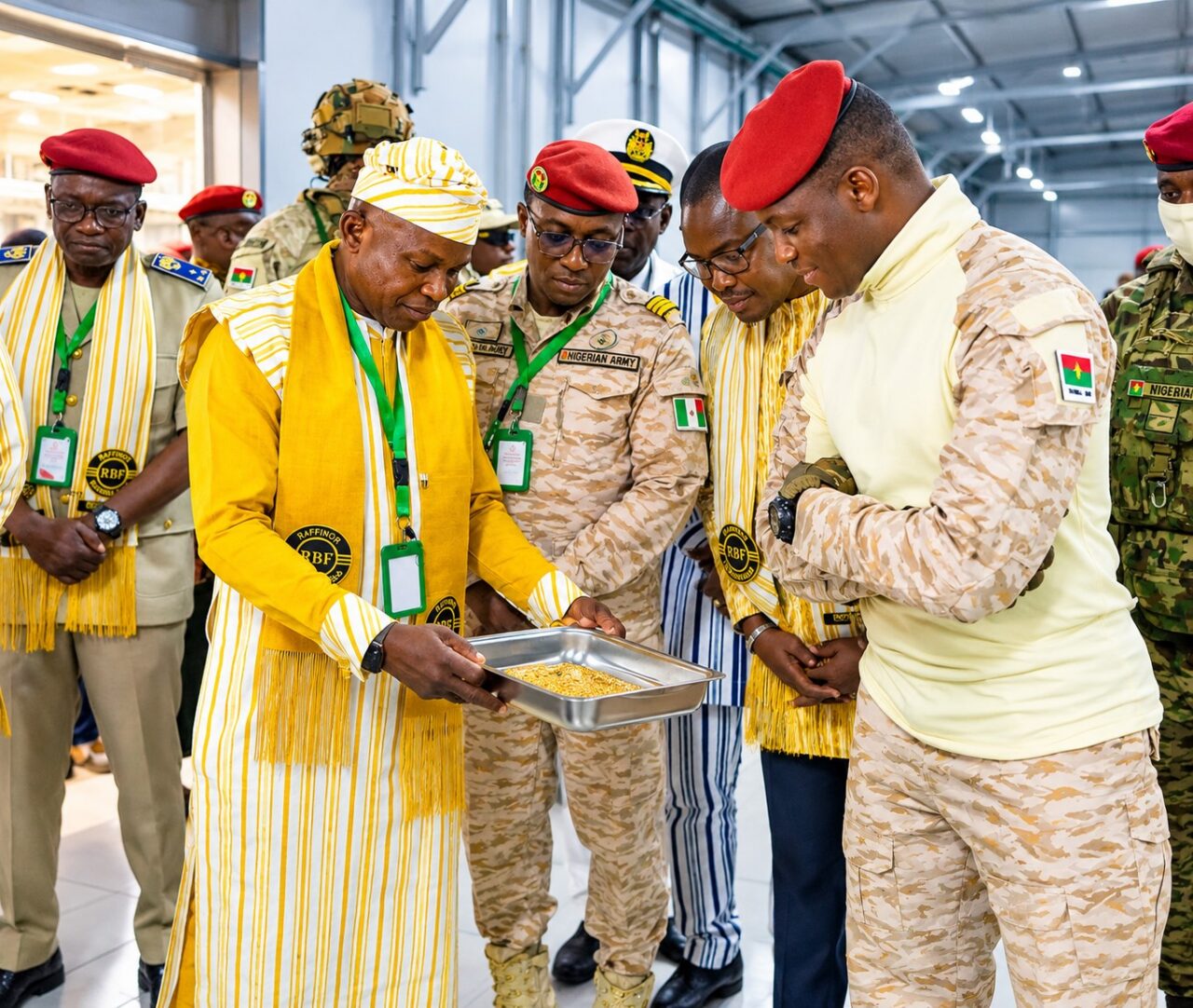
Zambia has launched a domestic gold refinery as part of efforts to increase local mineral processing and retain more revenue from its natural resources.
Operated by Minera Refineries Zambia Limited, the facility is designed to refine locally sourced gold to purity levels ranging from 99% to 99.99%. The project is projected to generate more than $1.8 billion, although the timeframe for that estimate has not been specified.
Beyond processing gold, the refinery aims to bring more artisanal miners into the formal economy and improve transparency across the supply chain. Gold sourced from mining areas such as Mpika is expected to support its operations.
Establishing traceable supply networks could help document where gold is mined, how it is traded and the quantities entering the formal market. This would support efforts to strengthen oversight of a sector in which informal transactions can make production and revenue difficult to track.
The investment also presents an opportunity for Zambia to diversify its export earnings. Copper accounts for approximately 66% of the country’s exports, compared with about 2% for gold.
Zambia’s move reflects a wider African drive to process minerals closer to their source, creating opportunities for local employment and industrial development while reducing dependence on overseas refining.
In Ethiopia, the National Precious Metals Refinery represents a $50 million joint venture in the Bole Lemi Special Economic Zone. With a stated annual processing capacity exceeding 600 tones, the project aims to position the country as a regional precious metals processing center.
Burkina Faso is pursuing similar ambitions through Raffinor-BF, a $19 million state-backed facility in Ouagadougou. Its planned initial capacity is 164 tones annually, with provision to expand to 515 tones.
The Democratic Republic of the Congo and Nigeria have also invested in domestic refining through facilities in Kalemie and Lagos, respectively. These projects share the goal of increasing local participation in the precious metals industry and improving oversight of gold trading.
For Zambia, the new refinery’s longer-term impact will depend on securing reliable supplies, integrating artisanal producers and maintaining transparent purchasing and processing systems. Its launch marks a further step towards building a broader mineral economy alongside the country’s established copper industry.
Source: Omanghana