Omanghana
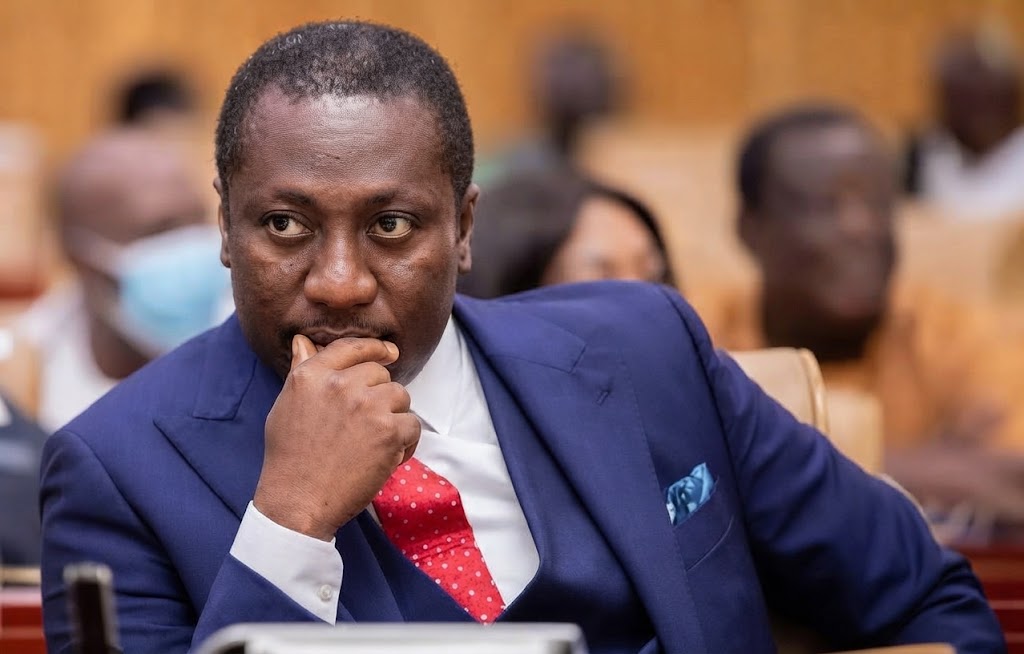
Minority Leader Alexander Afenyo-Markin has called on the Economic and Organised Crime Office (EOCO) to prioritise investigations into drug trafficking networks, accusing the agency of directing its powers against political opponents.
His criticism followed the detention of Manhyia South Member of Parliament, Nana Agyei Baffour Awuah, who had voluntarily appeared before EOCO to assist with an investigation into financial transactions involving SIC Life.
In a statement issued on October 1, 2026, Afenyo-Markin questioned the handling of the legislator’s visit, saying he had been kept waiting for hours despite presenting himself voluntarily to cooperate with investigators.
The Minority Leader described the incident as part of what he alleged was the use of state law enforcement institutions to intimidate political figures and discourage free expression. He argued that investigative powers should be exercised impartially and should not become instruments for settling political scores.
Drawing attention to concerns about narcotics trafficking, Afenyo-Markin cited media estimates suggesting that cocaine worth billions of dollars had passed through Ghana. He questioned why authorities appeared determined to pursue an opposition legislator while, in his view, failing to provide sufficient answers about the networks behind the illicit drug trade.
He further argued that allegations concerning Ghana’s use as a transit point for narcotics warranted sustained investigations aimed at identifying and apprehending those financing and coordinating trafficking operations.
The Minority Caucus demanded the immediate and unconditional release of Baffour Awuah and called for an end to what it described as selective justice.
It also sought a public account of how investigative resources are being deployed to dismantle narcotics networks and bring those responsible to justice.
Afenyo-Markin maintained that public confidence in law enforcement depends on the fair application of investigative powers, with political affiliation playing no role in how individuals are treated.
Source: Omanghana