Omanghana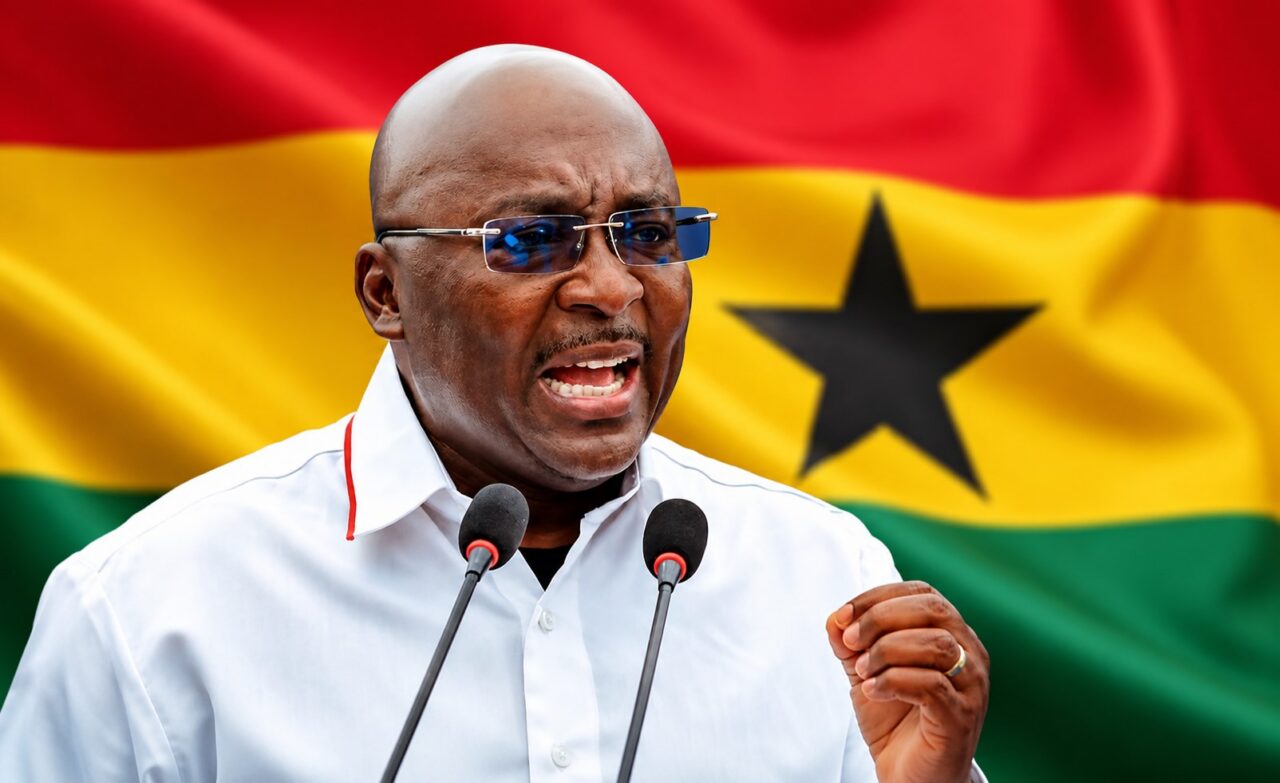
Vice President and New Patriotic Party (NPP) presidential candidate Dr. Mahamudu Bawumia has renewed his call for the protection of free speech, arguing that democratic societies should encourage open debate and constructive criticism rather than resort to the prosecution of citizens for expressing their views.
Speaking in recent public engagements and policy discussions, Dr. Bawumia maintained that governments must embrace criticism as part of democratic governance and resist the temptation to use state institutions to silence dissenting voices.
His remarks have sparked renewed public debate over the balance between safeguarding freedom of expression and ensuring accountability in public discourse.
Advocates Open Exchange of Ideas
Dr. Bawumia argued that democracy flourishes when differing opinions can be freely expressed and debated.
According to him, the appropriate response to political criticism or opposing viewpoints is not intimidation or legal action but the presentation of stronger ideas and better policies.
He stressed that public officials should be prepared to face criticism from citizens, noting that scrutiny and public debate are essential features of accountable governance.
The Vice President also cautioned against the use of state institutions to prosecute individuals solely because of their opinions, saying such actions risk weakening democratic principles and eroding public confidence.
Support for Independent Media
As part of his broader vision, Dr. Bawumia reaffirmed his support for an independent and vibrant media.
He described a free press as a critical pillar of democracy, arguing that independent journalism promotes transparency, exposes corruption, and strengthens public accountability.
He added that allowing journalists to operate without fear contributes to national development by ensuring citizens remain informed about issues affecting governance.
Debate Over Free Speech
Dr. Bawumia’s comments have generated widespread discussion among political observers, civil society groups, and members of the public.
Supporters say his position reflects Ghana’s democratic traditions and is consistent with constitutional protections for freedom of expression. They also point to the repeal of the Criminal Libel and Seditious Laws in 2001 as a landmark step that expanded media freedom and strengthened democratic governance.
Others, however, argue that while freedom of expression is a fundamental right, it must be exercised responsibly. They contend that misinformation, defamatory statements, hate speech, and other harmful content can have serious consequences for individuals and society if left unchecked.
Some analysts have also emphasized the need for consistent application of the law, arguing that democratic principles are best upheld when all citizens, regardless of political affiliation, enjoy equal protection under the law.
Balancing Rights and Responsibility
The ongoing discussion highlights the broader challenge facing many democracies: protecting the constitutional right to free expression while ensuring that legal frameworks address misinformation, incitement, and other unlawful conduct.
As Ghana continues to strengthen its democratic institutions, the conversation surrounding free speech, media freedom, and accountability remains central to the country’s political and civic discourse.
Source: Omanghana